
- Energy bills could rise by £276 from January.
- The typical annual bill could reach £1,999.
- The forecast is the biggest quarterly rise since January 2023.
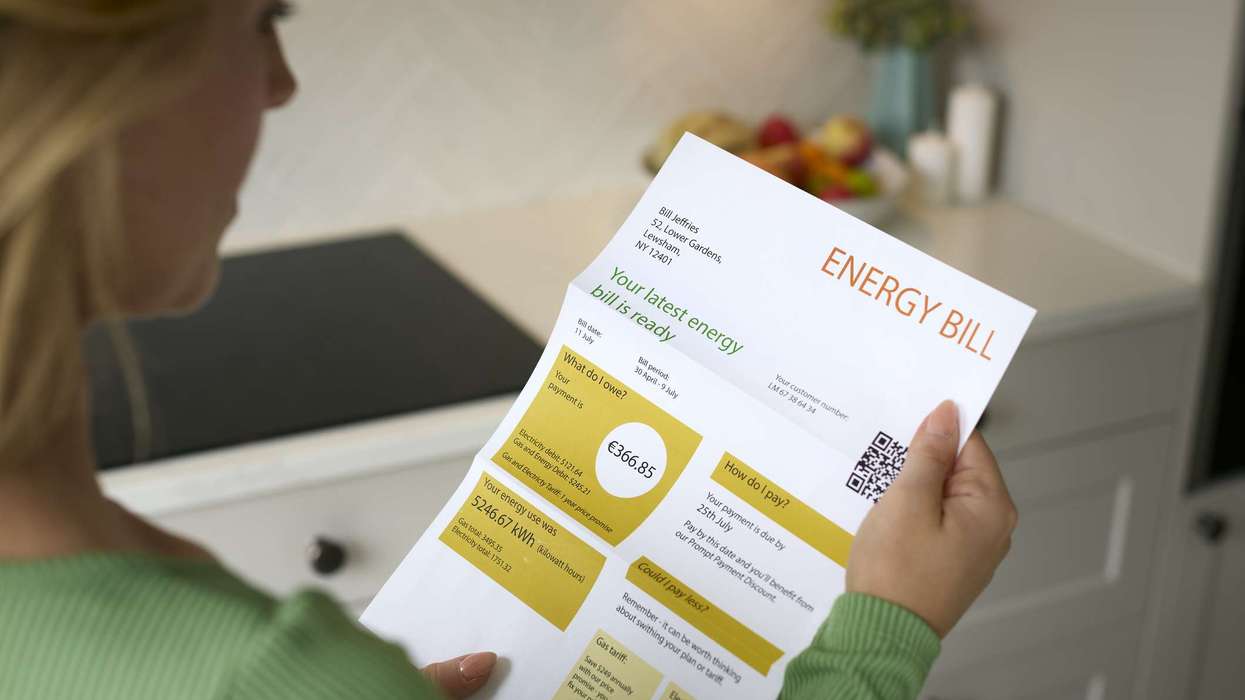
Households across Great Britain could face a £276 increase in their annual energy bill from January, as higher wholesale gas prices add to the pressure on household finances.
Cornwall Insight forecasts that the energy price cap for January to March 2027 could rise by 16 per cent from the current October level, taking the typical annual dual-fuel bill to £1,999. That would be the biggest quarterly increase since January 2023, when the UK was still dealing with the energy crisis triggered by Russia's invasion of Ukraine.
The figure is a forecast rather than the final price cap. Ofgem will announce the official cap for January to March on November 25, with the final level depending on wholesale energy prices during the relevant assessment period.
Craig Lowrey, principal consultant at Cornwall Insight, said the forecast would hit households particularly hard during the winter.
“These prices are going to hit households hard. January is already a difficult month for many, with cold weather and bank balances still recovering from Christmas, and now they face the biggest price cap rise we’ve seen in four years,” he said.
Why are energy bills rising again?
The main pressure is coming from wholesale gas prices, which have risen sharply amid disruption to global energy markets linked to the conflict in the Middle East.
Cornwall Insight said the rise in gas prices has pushed its January forecast substantially higher than its previous estimate of a 9 per cent increase. Its latest forecast puts the typical annual bill at £1,999, compared with £1,723 under the price cap taking effect from October.
The October increase itself is already confirmed. Ofgem's price cap will rise by 4 per cent from Thursday (1), taking the annualised bill for a typical dual-fuel household paying by direct debit from £1,663 to £1,723.
The cap limits the unit rates and standing charges suppliers can charge customers on default tariffs. It does not mean every household will pay £1,723 or, if the forecast is realised, £1,999. Actual bills depend on how much energy a household uses, as well as its tariff, payment method and location.
Cornwall Insight said European gas storage levels have also added to the pressure as the continent heads into winter. Lower stocks mean wholesale markets are particularly sensitive to further supply disruptions or changes in demand.
The consultancy said the outlook could still change if wholesale prices fall. However, it described an increase in January as “all but certain” based on the rises seen so far this month.
What happens to bills from October?
The immediate change comes on Thursday, when the new Ofgem cap takes effect.
Electricity under the standard variable tariff will cost an average 26.32p per kilowatt hour, while gas will cost 7.97p per kWh for direct-debit customers in England, Scotland and Wales. The figures do not include VAT on electricity because the Government's temporary VAT cut begins on October 1.
The Government is removing the 5 per cent VAT on domestic electricity bills for six months, from October 1 until March 31, 2027. It estimates that the measure will save the average household around £45 a year. VAT on domestic gas remains at 5 per cent.
The VAT cut means the January forecast from Cornwall Insight already takes the measure into account. Without it, the projected bill would be higher.
The October rise comes as cooler weather is expected to push up household energy use. Uswitch has advised households without smart meters to submit meter readings to their suppliers before the end of September, helping ensure that energy used before the new cap takes effect is recorded correctly.
For households already struggling with energy costs, National Energy Action chief executive Adam Scorer called for further Government support.
“The Autumn Budget must deliver additional targeted support for households most at risk this winter, alongside action to tackle energy debt and improve the least energy efficient homes,” he said.
The Government has yet to announce whether additional measures will be included in the October 28 Budget.
For now, the £1,999 figure remains a forecast, not a confirmed bill. Ofgem will publish the final January price cap on November 25, but households are already facing a 4 per cent increase from October before the possibility of a much larger rise in January.