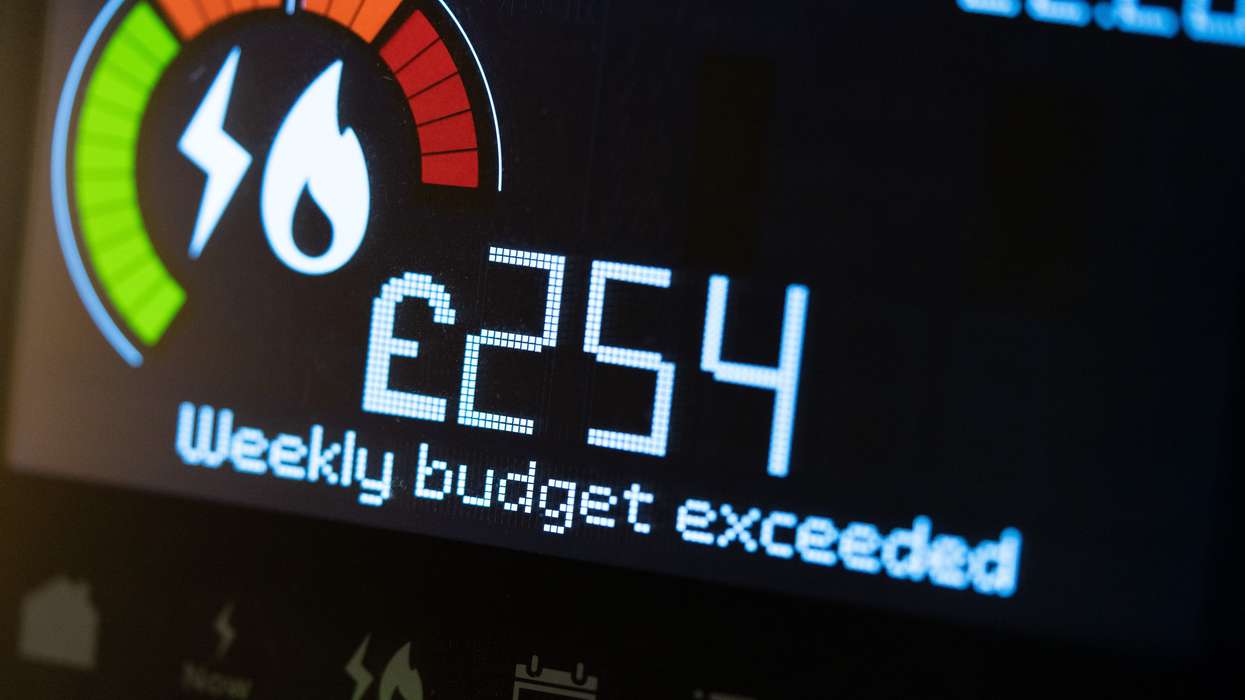

- Household energy debt has climbed to a record £4.79 billion, according to Ofgem.
- The average amount owed by households without repayment plans now exceeds £1,600 for both gas and electricity.
- Consumer groups are calling for urgent government action before higher energy bills take effect on July 1.
UK energy debt has reached a record £4.79 billion, with millions of households continuing to fall behind on their bills ahead of another rise in the Ofgem energy price cap.
New figures from energy regulator Ofgem show total debt and arrears across England, Wales and Scotland increased by 15 per cent over the past year and 5 per cent compared with the previous quarter. The data covers the period from January to the end of March and includes customers who had been in debt for more than three months.
The latest figures come just days before the energy price cap increases by 13 per cent on July 1, with forecasts suggesting prices could remain at broadly similar levels when the next cap takes effect on October 1.
Debt keeps climbing as bills stay high
Ofgem said the number of customers repaying energy debt also continued to rise. Electricity accounts on repayment plans increased by 3 per cent to 852,000, while gas accounts rose by 4 per cent to 710,000.
For households already on repayment plans, the average debt has reached £828 for electricity and £679 for gas, both up 4 per cent from the previous quarter.
The situation is even more severe for customers without repayment arrangements. Average electricity arrears have climbed to £1,876, while gas arrears stand at £1,623.
Separate figures from debt charity StepChange point to the same trend. The charity said average energy arrears among its clients have increased by 79 per cent over the past five years, equivalent to around £1,000 more per person.
Calls grow for long-term support
Neil Kenward, Ofgem's director general of markets, reportedly said rising energy debt is putting increasing pressure on households while also limiting suppliers' ability to invest and innovate. He added that tackling the issue would require coordinated action involving the Government, suppliers, charities and the regulator.
Consumer groups warned that the latest increase was unlikely to be the end of the problem.
Gillian Cooper, director of energy at Citizens Advice, reportedly said the organisation has seen a 70 per cent increase in the number of households seeking help with energy debt since 2021. She warned that growing arrears are placing vulnerable families under greater financial pressure while also pushing up costs across the wider energy system.
National Energy Action policy analyst James Mabey reportedly said rising debt is forcing many low-income households into difficult choices between heating their homes and paying for everyday essentials. He also warned that allowing debt to build up could increase future energy costs for all consumers.
StepChange echoed those concerns, saying the upcoming rise in the price cap could make the situation even more difficult ahead of winter. The charity is calling for the introduction of an energy social tariff and an effective Debt Relief Scheme to help households struggling with arrears.
Energy UK also urged faster action. Deputy director of customer policy Ned Hammond reportedly said many households are finding energy costs unaffordable and argued that existing rules make it too easy for customers to fall into debt but much harder to recover. He called for broader debt relief measures, better targeted government support and wider adoption of Smart Pay As You Go meters.
Ofgem is also planning changes to the home-moving process to reduce the risk of new occupants inheriting unpaid energy bills.