
Highlights
- Climate advisers warn that weakening the Zero-Emission Vehicle (ZEV) Mandate would put legally binding climate targets at risk.
- Government assessment suggests changes could increase annual oil consumption by 15 million barrels by 2030.
- Ministers are reviewing the rules following a consultation that closed on October 23.
- The car industry has called for changes, citing the financial pressure of meeting existing targets.
BRITAIN is likely to miss its legally binding climate targets if the government weakens rules requiring carmakers to increase electric vehicle sales, the country's independent climate advisers have warned.
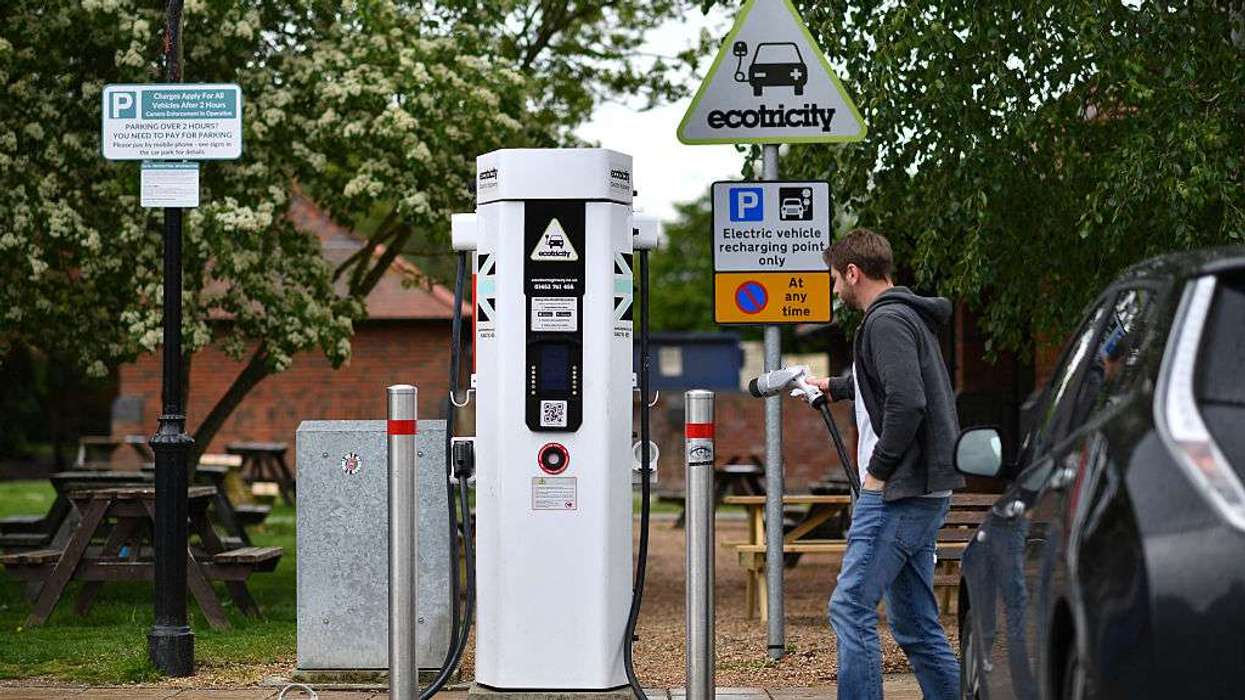
The Climate Change Committee (CCC) issued the warning on Wednesday (18) as ministers consider changes to the Zero-Emission Vehicle (ZEV) Mandate, which sets annual requirements for manufacturers to increase the proportion of electric cars and vans they sell.
Its chairman, Nigel Topping, wrote to transport secretary Heidi Alexander setting out the committee's concerns and arguing that weakening the rules would undermine the UK's efforts to reduce emissions, increase dependence on imported oil and affect the country's competitiveness in the global automotive market.
"The UK is likely to miss the legal climate targets set by Parliament if the Government weakens the Zero-Emission Vehicle (ZEV) Mandate," the committee said.
Britain has a legally binding commitment to reach net-zero greenhouse gas emissions by 2050, supported by interim targets and carbon budgets designed to keep the country on track.
Higher oil consumption and fuel costs
The CCC said the government's own impact assessment indicated that reducing the headline ZEV targets could increase UK fuel consumption by up to 15 million barrels of oil a year by 2030.
At current prices, buying that additional oil on international markets would cost more than £1 billion annually, increasing the country's exposure to fluctuations in global energy prices.
The committee also argued that switching to electric vehicles could help households reduce motoring costs. It estimated that a typical household could save around £800 a year by moving from a petrol or diesel car to an electric vehicle.
Electric vehicles are expected to deliver the largest share of emissions reductions in the government's Carbon Budget and Growth Delivery Plan up to 2037, making the mandate an important part of meeting the UK's climate commitments.
The committee warned that weakening the policy would make achieving the Sixth Carbon Budget, covering 2033 to 2037, more difficult and expensive. It also said changes could affect the ability of Scotland, Wales and Northern Ireland to meet their respective emissions targets.
Government insists on 2030 and 2035 commitments
The government said it remained committed to its climate targets, the phase-out of new petrol and diesel cars by 2030 and ensuring all new cars and vans sold from 2035 were zero-emission.
A government spokesperson said: "Our consultation on the Mandate will not change this and will ensure we are taking a pragmatic and balanced approach to the ZEV transition."
The consultation on the mandate, launched in August, closed on October 23. Ministers are reviewing responses from manufacturers, consumers and other stakeholders and have said they aim to publish their response by the end of 2026. Any changes are expected to take effect from the 2027 compliance year.
In a written parliamentary response on November 9, the Department for Transport said no policy decisions had been taken on the mandate. It also confirmed that the government had committed £7.5 billion up to 2035 to support the transition to zero-emission vehicles.
Carmakers seek changes to sales requirements
Under the current mandate, zero-emission vehicles must make up an increasing proportion of manufacturers' annual new car sales. The headline target rises from 33 per cent in 2026 to 80 per cent in 2030 and 100 per cent by 2035.
However, car manufacturers have argued that the existing requirements place financial pressure on the industry, with some seeking a reduction in the 2030 target to between 50 and 60 per cent.
Industry figures have also questioned the cost of meeting the targets, pointing to the discounts and government incentives needed to encourage electric vehicle purchases.
The Society of Motor Manufacturers and Traders (SMMT) said the transition should be driven more by consumer demand rather than sales requirements imposed on manufacturers.
Its chief executive, Mike Hawes, argued that manufacturers could not continue subsidising the transition indefinitely. He also warned that the rules needed to support domestic production and investment rather than increase reliance on imported vehicles.
(with inputs from Reuters)