
- The government is preparing to review its target requiring 80 per cent of new car sales to be electric by 2030.
- Industry groups and unions warn current rules are putting jobs, investment and businesses under pressure.
- Environmental and investment groups fear weaker targets could slow the UK's transition to cleaner transport.
The UK government's electric vehicle targets are set for another rethink as ministers prepare to consult on reducing the number of new cars that manufacturers must sell as fully electric vehicles by 2030.
The move could reshape the UK's electric vehicle transition and the future of the Zero Emission Vehicle (ZEV) mandate, a policy designed to accelerate EV adoption while helping the country meet its climate goals. While the government is not expected to alter its 2030 ban on the sale of new petrol and diesel cars, officials are reportedly considering lowering the requirement that 80 per cent of all new vehicle sales must be fully electric by the end of the decade.
Industry sources suggest options ranging from 50 per cent to 70 per cent are being discussed, although no final decision has been made. A formal consultation is expected, meaning the debate could continue for several months.
Caught between climate goals and industry concerns
The ZEV mandate was introduced under the previous Conservative government and requires carmakers to increase electric vehicle sales every year. The target currently stands at 28 per cent for 2025 and rises annually before reaching 80 per cent by 2030.
Manufacturers that fail to meet their targets face penalties of £15,000 for every vehicle short of their quota. Companies can also purchase credits from competitors that exceed their targets.
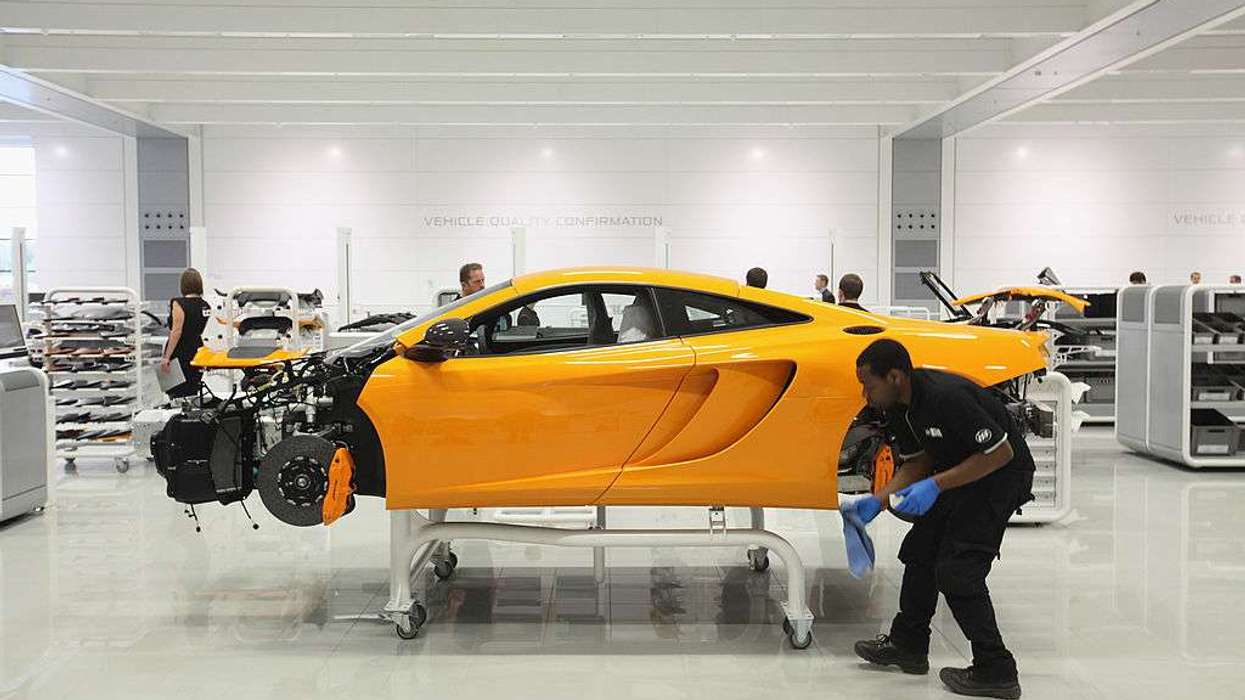
Carmakers have argued for years that the policy is moving faster than consumer demand. To meet sales requirements, many manufacturers have been offering substantial discounts on electric vehicles. According to the Society of Motor Manufacturers and Traders, those incentives have cost the industry more than £10bn over the past two years.
The trade body reportedly warned that unless the mandate is eased, the cost could be felt through reduced investment, job losses and pressure on business viability.
Trade unions have echoed those concerns. Unite General Secretary Sharon Graham reportedly described the proposed review as a significant win for workers, arguing that current rules risk damaging one of the UK's most important manufacturing sectors.
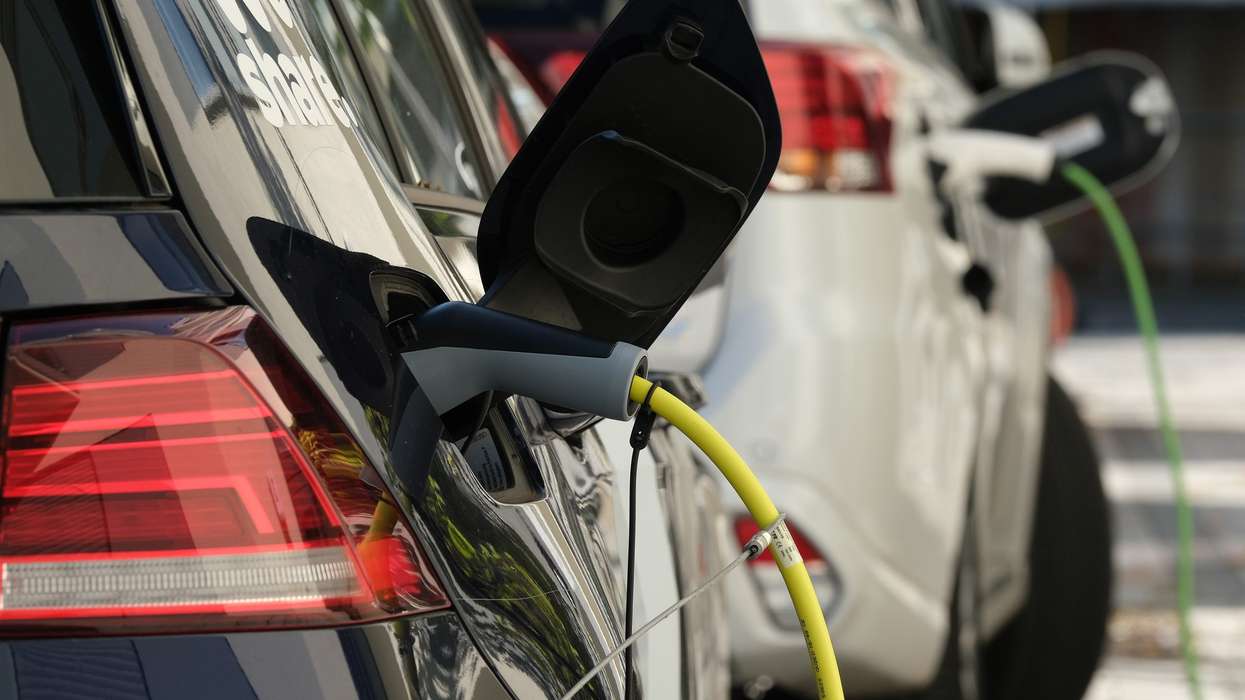
Manufacturers also point to ongoing concerns among motorists over charging infrastructure, vehicle range and resale values, factors they believe continue to hold back wider EV adoption.
A balancing act for ministers
The debate highlights a growing divide between industry and sustainability groups.
Environmental advocates argue that weakening the mandate could undermine confidence in the UK's long-term electrification strategy. James Alexander, chief executive of the UK Sustainable Investment and Finance Association, reportedly said the policy has played a crucial role in attracting investment into EV charging networks across the country.
As quoted in a news report, Alexander warned that any dilution of the targets could send negative signals to investors about the government's commitment to building a fully electric transport system.
Research commissioned by UKSIF found that 74 per cent of Britons want local councils to maintain or increase support for EV charging infrastructure, suggesting public backing for the transition remains relatively strong.
The government has already adjusted EV policies several times in recent years. Boris Johnson originally announced a ban on new petrol and diesel car sales from 2030. That deadline was pushed back to 2035 by former Prime Minister Rishi Sunak before Labour pledged to restore the 2030 target.
The latest review would represent another shift in a policy area that has become increasingly politically sensitive.
Electric vehicle sales continue to rise, although they remain below government ambitions.
More than 2.02 million new cars were registered in the UK in 2025, marking a third consecutive year of growth and the highest annual total since the pandemic.
Electric vehicles accounted for 473,340 registrations, giving them a market share of 23.4 per cent. While that represented a notable increase from the previous year, it remained below the 28 per cent target set under the ZEV mandate.
With ministers now weighing industry concerns against climate commitments, the outcome of the consultation could help determine how quickly the UK's automotive sector moves towards an all-electric future.