
- Nearly 15,200 regional aviation jobs could shift to Heathrow by 2050, according to new analysis.
- Birmingham Airport alone could lose 7.5 million passengers a year, equivalent to around 9,500 jobs.
- The Government insists Heathrow expansion will boost growth nationwide, while critics argue the benefits are overstated.
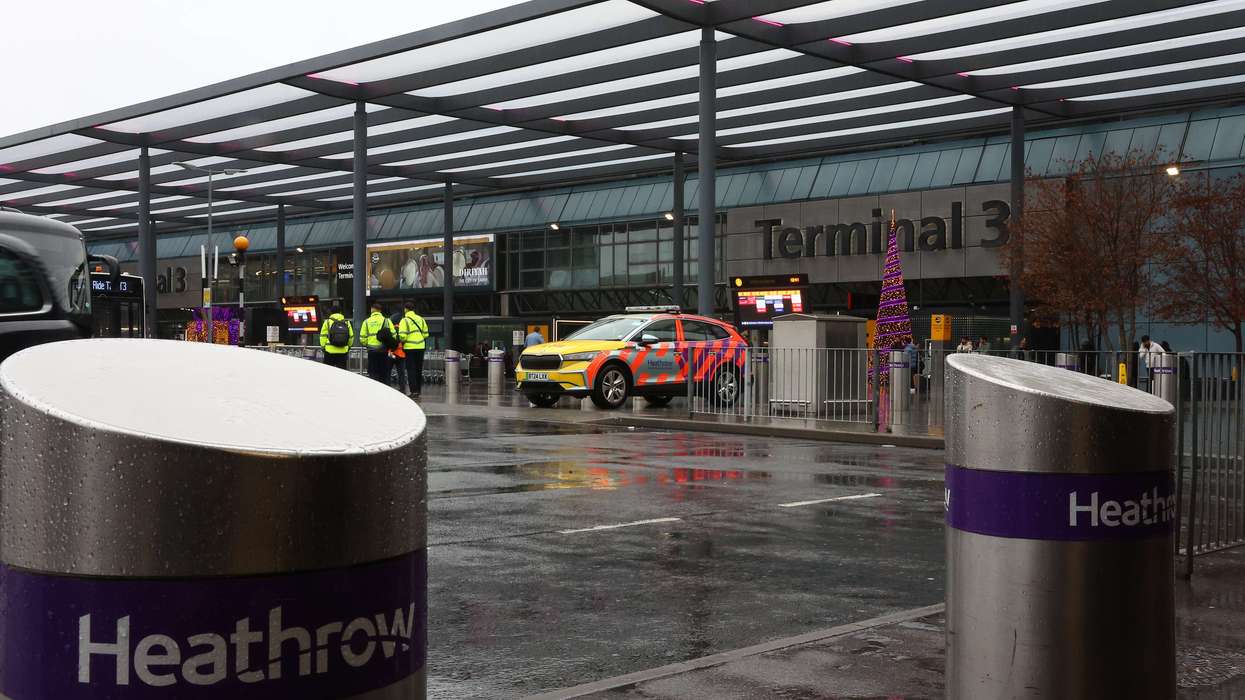
Plans to expand Heathrow Airport with a third runway could shift thousands of jobs away from regional airports rather than create new ones, according to fresh analysis based on the Government's own forecasts.
The findings have added a new dimension to the long-running debate over Heathrow expansion, with economists suggesting the project could concentrate aviation jobs and investment in London while weakening airport economies elsewhere in the UK.
The analysis, carried out by the New Economics Foundation (NEF) using modelling published by the Department for Transport (DfT), estimates that 15,200 aviation jobs that would otherwise have been created across the UK's regions could instead be concentrated at Heathrow by 2050. A further 6,400 jobs at other London and south-east airports could also be displaced.
Among the biggest potential losers is Birmingham Airport, which is forecast to lose 7.5 million passengers a year by 2050 if Heathrow's third runway goes ahead. Economists estimate that reduction could translate into around 9,500 fewer jobs across the airport and its wider supply chain.
The figures are likely to fuel political debate after Andy Burnham became Prime Minister. Burnham has previously argued that infrastructure investment has been too heavily focused on southern England and has pledged to rebalance public spending through his No 10 North agenda.
A battle over who really benefits
The DfT published the forecasts alongside its consultation on the updated national policy statement for Heathrow expansion, which must receive parliamentary approval before construction can begin.
The modelling also suggests the overall economic impact may be smaller than previously anticipated. According to the department's assessment, Heathrow's expansion could increase UK GDP by up to 0.05 per cent a year.
A separate peer review commissioned by the DfT questioned whether the benefits would be widely shared across the country, stating that it would be "erroneous to claim a broad distribution of the gains from Heathrow to regions", as quoted in a news report.
Alex Chapman, head of economic policy at the NEF, reportedly said the latest figures suggest the project increasingly looks like a shift of jobs and investment towards London and the south-east rather than a plan to generate new economic growth. He also questioned whether the economic case remains strong given the environmental impacts associated with the expansion.
Government and Heathrow reject the criticism
The Government has disputed the conclusions, arguing that the analysis reflects only part of the picture.
A Department for Transport spokesperson reportedly said Heathrow expansion could support more than 60,000 local jobs and deliver wider economic benefits across the UK. The department also said up to 40 per cent of the projected £2.6 billion economic boost would be felt outside London and the south-east.
Heathrow chief executive Thomas Woldbye also challenged the economic modelling, reportedly arguing that traditional appraisal methods fail to capture the wider benefits of increased exports, private investment and trade. He said the airport believes the project could support around £150 billion in trade over time.
The consultation documents also highlight potential environmental and community impacts. Separate Government assessments suggest constructing the runway could have significant adverse effects on the health and wellbeing of up to three million people living nearby.
The proposed scheme would involve building a 3,500-metre runway across the current route of the M25, at an estimated cost of £33 billion. If completed, Heathrow's annual flight capacity would increase from 480,000 to 756,000 flights.
The Government has pledged to accelerate the project with the aim of opening the third runway by 2035, although the proposal has been approved by previous governments without progressing to construction. The latest analysis is likely to intensify the debate over whether the expansion would generate new growth for the UK or simply redistribute it.