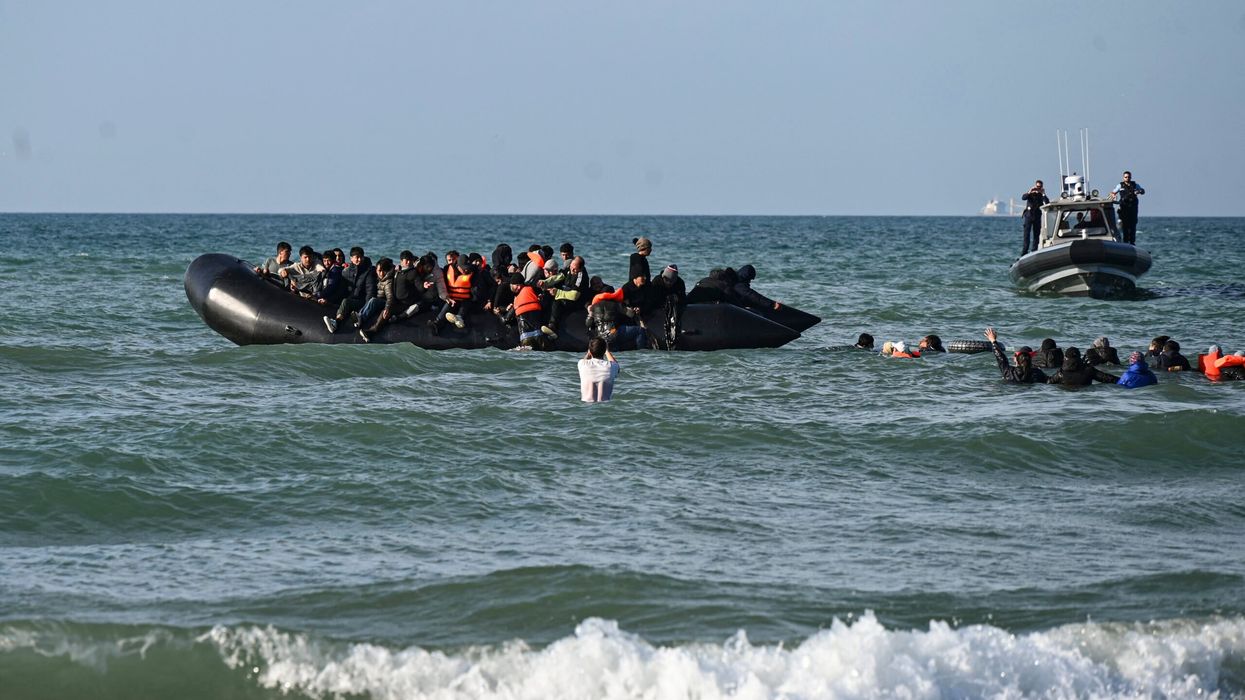

THE UK government has introduced stricter rules that will prevent refugees who arrive illegally, including by small boat, from obtaining British citizenship
New Home Office guidance states that anyone entering the UK illegally, whether by boat or concealed in a vehicle, will normally have their citizenship application refused.
This applies to those already in the country and those who apply from 10 February 2025 onwards. The change, first reported by the Free Movement blog, is presented as a clarification of the “good character” requirement in citizenship applications.
A Home Office spokesperson said the new guidance reinforces existing rules that can already prevent illegal entrants from gaining citizenship.
“This guidance further strengthens measures to make it clear that anyone who enters the UK illegally, including small boat arrivals, faces having a British citizenship application refused,” the spokesperson said.
Under previous rules, refugees who arrived through irregular routes had to wait ten years before applying for citizenship.
The UK is a signatory to the 1951 UN Refugee Convention, which states that asylum seekers should not be penalised for illegal entry, but current UK law criminalises entry without permission.
Labour MP Stella Creasy criticised the change, saying it would create a class of refugees who could never become full citizens.
“This process would deny that,” she told BBC Radio 4, referring to a Syrian refugee who had gained a degree and British citizenship. She also joked that the rule would have denied Paddington Bear a British passport.
Lord Blunkett urged the government to consider the impact on children and social cohesion.
A Home Office minister said children would be considered sympathetically under existing laws, as illegal entry is usually beyond their control.
The Refugee Council estimates the change will affect at least 71,000 refugees. CEO Enver Solomon said the move “flies in the face of reason,” arguing that refugees should be supported in integrating into society.
Immigration barrister Colin Yeo called the policy a “clear breach of the Refugee Convention.”
Tory leader Kemi Badenoch has backed tougher citizenship rules, arguing that only those who show a strong commitment to the UK should be granted citizenship.