
- Thames Water’s creditors are due to vote on a further £2.4bn loan that would expand its emergency funding facility to £5.4bn.
- Campaign group We Own It estimates the additional financing could mean £40 per household in interest alone if the costs were passed on to customers.
- The company’s roughly £20bn debt burden has intensified calls for a decision on public ownership or special administration.
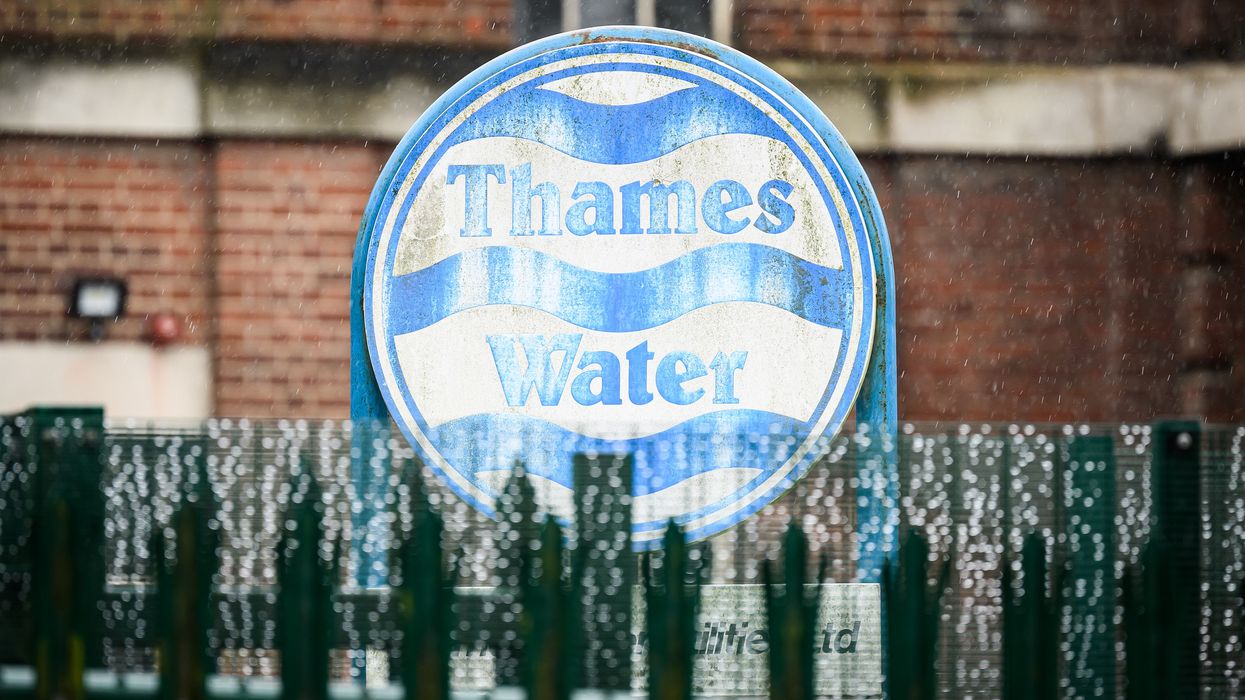
Thames Water’s creditors are preparing to vote on a further £2.4 billion in emergency financing, as campaigners warn that the cost of rescuing the debt-laden utility could ultimately fall on households.
The consortium of creditors, known as London & Valley Water, is due to vote on Thursday (29) on whether to increase the company’s existing £3bn funding facility to £5.4bn. The additional financing is intended to keep Thames Water operating until autumn 2027 while it seeks a longer-term restructuring of its debt.
The utility, which supplies around 16 million customers across London and the Thames Valley, said this month that it could run out of cash by the end of 2026 or early 2027 without further funding.
The proposed loan comes after Thames Water’s class A creditors, including BlackRock, Elliott Management and Silver Point Capital, provided a £3bn facility last year carrying an interest rate of 9.75 per cent. The company has drawn around £2.65bn of that facility, according to its latest disclosure.
Campaign group We Own It estimates that, if the new loan carried the same interest rate and the cost were passed on to customers, it could add around £40 per household in interest alone. If the full £2.4bn loan amount were also spread across households, the cost could reach £454 per household, the group said.
Those figures are estimates, not confirmed additions to water bills. Thames Water and London & Valley Water have said customers will not pay the costs of the rescue financing.
A Thames Water spokesperson said additional liquidity would allow infrastructure investment to continue while the business sought a recapitalisation. The spokesperson added that customer bills were set by water regulator Ofwat and that the funding would not add costs for households.
A spokesperson for London & Valley Water said the costs of the rescue financing would be borne entirely by class A creditors, rather than customers or taxpayers.
Why is Thames Water seeking another rescue loan?
Thames Water has been struggling with a debt burden of around £20bn, while its former shareholders withdrew their support in 2024. Creditors have since taken effective control as they work towards a deal to prevent the company from collapsing.
The further financing is intended to buy time for that process, but it has renewed questions about whether additional borrowing can resolve the utility’s underlying financial problems.
Professor Dieter Helm, an economist at the University of Oxford, questioned whether the company’s turnaround could be properly funded and argued that further loans risk postponing a move into special administration.
“The future investment programme for the turnaround will not be properly funded,” he reportedly said. “Thames, and indeed much of the rest of the industry, is caught between a political rock and a political hard place.”
Charlie Maynard, the Liberal Democrat MP for Witney, who previously joined campaigners and junior creditors in a legal challenge over the existing £3bn loan, also criticised the proposed financing.
He said creditors were likely to provide another expensive rescue loan and called for Thames Water to enter special administration.
Sophie Conquest, lead campaigner at We Own It, said the company had already received substantial financial support since privatisation and argued that public ownership should follow if it could not survive without further rescue financing.
The debate reflects a wider concern over how the water industry’s financial structure affects investment, environmental performance and household bills. Thames Water has faced years of scrutiny over its debt, infrastructure and pollution record.
What are the options for Thames Water’s future?
Prime Minister Andy Burnham is considering several options for the company, including a takeover by its creditors, a form of state control or nationalisation. Some Labour politicians and environmental campaigners have called for special administration, a temporary government-controlled process designed to maintain essential services while a longer-term solution is found.
One proposal under consideration would convert around £100m in outstanding fines into a government stake in the company. Such an arrangement could reduce the financial burden on creditors while giving ministers a degree of influence over its future.
However, any restructuring would have to address the balance between maintaining essential water services, funding infrastructure improvements and managing the company’s debt. A takeover by creditors could also involve changes to fines and environmental commitments, raising concerns among campaigners about accountability.
The immediate vote will determine whether Thames Water receives more financial breathing space, but it will not settle the question of who ultimately bears the costs of its recovery.
For customers, the distinction between the stated terms of the rescue financing and the longer-term impact of any restructuring will be crucial. Creditors and the company say the new loan will not be added to bills, while campaigners argue that the wider financial crisis requires a more fundamental change in ownership and oversight.
The outcome could shape the future of one of the UK’s largest water suppliers, as pressure grows for a solution that secures investment and reliable services without leaving households exposed to the cost of years of financial strain.