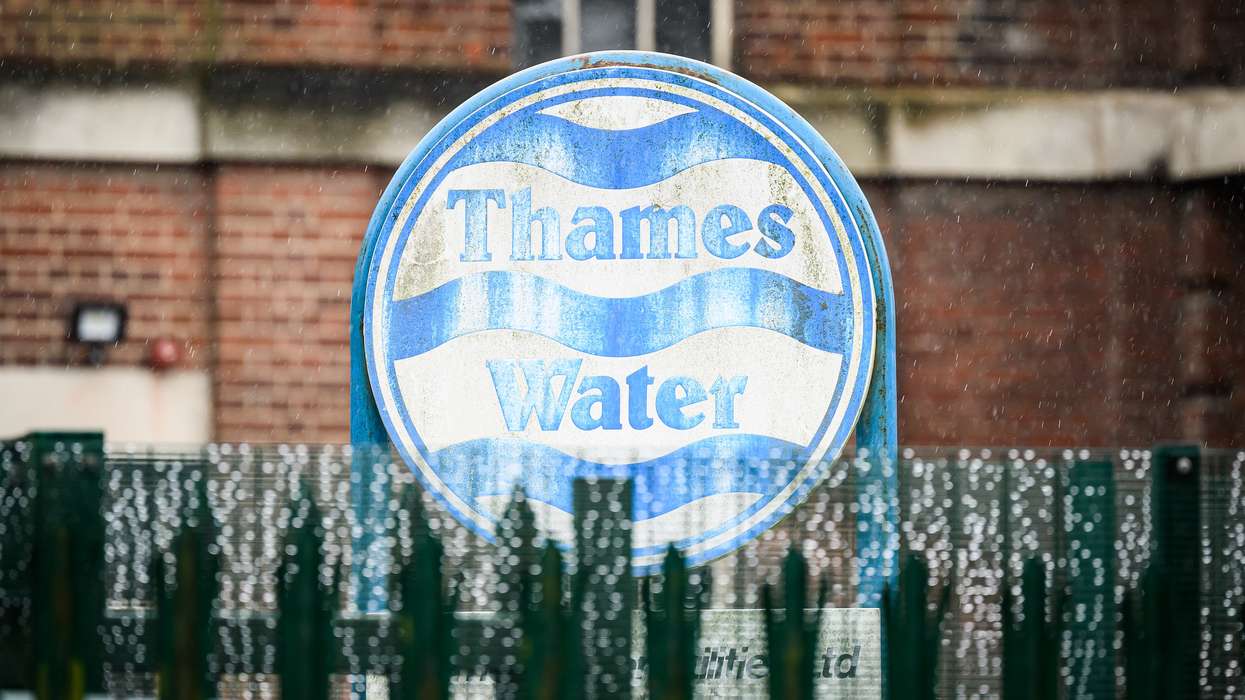

- MPs want the government to reject a £10bn rescue proposal from Thames Water’s creditors.
- The company has more than £20bn of debt and serves around 16 million customers.
- The EFRA Committee says Thames Water is trapped in a “doom loop” and wants stronger powers for earlier government intervention.
The Environment, Food and Rural Affairs (EFRA) Committee has urged the government to reject a £10bn restructuring proposal from London & Valley Water, a consortium of more than 100 Thames Water creditors.
The committee said the proposal did not have “the interests of the public, the company or the environment at heart”, arguing that the consortium’s priority appeared to be extracting immediate value rather than securing Thames Water’s long-term future.
The recommendation comes as Thames Water remains under severe financial pressure. The company has more than £20bn of debt, while creditors collectively hold about £17bn of it. The proposed deal had been seen as a route to recapitalise the company and avoid the need for special administration.
But MPs now say the government should either place Thames Water into Special Administration or consider emergency legislation to take control of its financial affairs before a more suitable owner can be found.
A cycle that keeps getting worse
At the heart of the committee’s concern is what it calls a “doom loop”.
Thames Water and other poorly performing water companies can face fines for failures, leaving them with less money to invest in fixing infrastructure and improving services. Lower investment can then contribute to further problems, potentially resulting in more penalties and higher costs for customers.
The committee estimates that Thames Water could accrue more than £900m in penalties over the next five years. It wants the rules governing the Special Administration Regime (SAR) changed so that regulators and ministers can intervene when a company repeatedly fails to perform, rather than having to wait for insolvency.
EFRA Committee chairman Alistair Carmichael said the existing system contained a loophole that could allow bondholders to take control of a struggling water company without sufficient oversight.
“A loophole that allows bondholders to take control of a water company without oversight must also be addressed,” he said.
Carmichael also warned that another Thames Water-style crisis should not be allowed to develop and said the company’s problems needed a more fundamental reset.
Under the current SAR system, the government and Ofwat can appoint an administrator to take over a water company when it becomes insolvent or fails to carry out basic functions. The administrator can then keep essential services running while the company is restructured and potential new buyers are found.
Who should pay for the reset?
The argument now turns on whether private creditors can provide the money and management needed to turn Thames Water around, or whether the government needs to step in first.
London & Valley Water has rejected the committee’s criticism, saying the investor group has never controlled Thames Water or received dividends from it. The consortium said its investors had stepped in to fund a significant revenue shortfall so that the company’s capital investment programme could continue.
It has also argued that its enhanced proposal would address feedback from Ofwat and ministers and provide the fastest route to tackling Thames Water’s problems.
Thames Water itself says it needs to be recapitalised and placed on a firm financial footing. It has also warned that delays to recapitalisation could slow investment and increase the cost of delivering improvements for customers and the environment.
The company has said turning the business around will take a decade and require sustained investment.
For the government, the decision is therefore more complicated than simply choosing between public and private ownership. Any intervention would have to deal with Thames Water’s huge debt pile, future investment needs, regulatory penalties and the cost to taxpayers.
The EFRA Committee says any short-term liabilities faced by the government could eventually be recovered through a future sale once Thames Water’s finances and performance are restored.
The government has not yet committed to a particular route. The latest committee report instead adds pressure for a decision before Thames Water’s financial problems become even harder to contain.
For the 16 million customers who rely on the company, the bigger question is whether the next rescue can break the cycle of poor performance and financial pressure rather than simply move the problem from one set of owners to another.