
Highlights:
- HYROX China is facing criticism after Australian athlete Joanna Wietrzyk, the sport's current world record holder, won the women's Pro event in Beijing despite suffering sudden bowel incontinence mid-race.
- Organisers confirmed they closed affected race lanes, removed contaminated equipment, and carried out deep cleaning and carpet replacement overnight before the rest of the event continued.
- The debate isn't primarily about the medical incident itself, which is a recognised risk in endurance sport, but about whether continuing put other competitors at risk by sharing contaminated equipment and course surfaces.
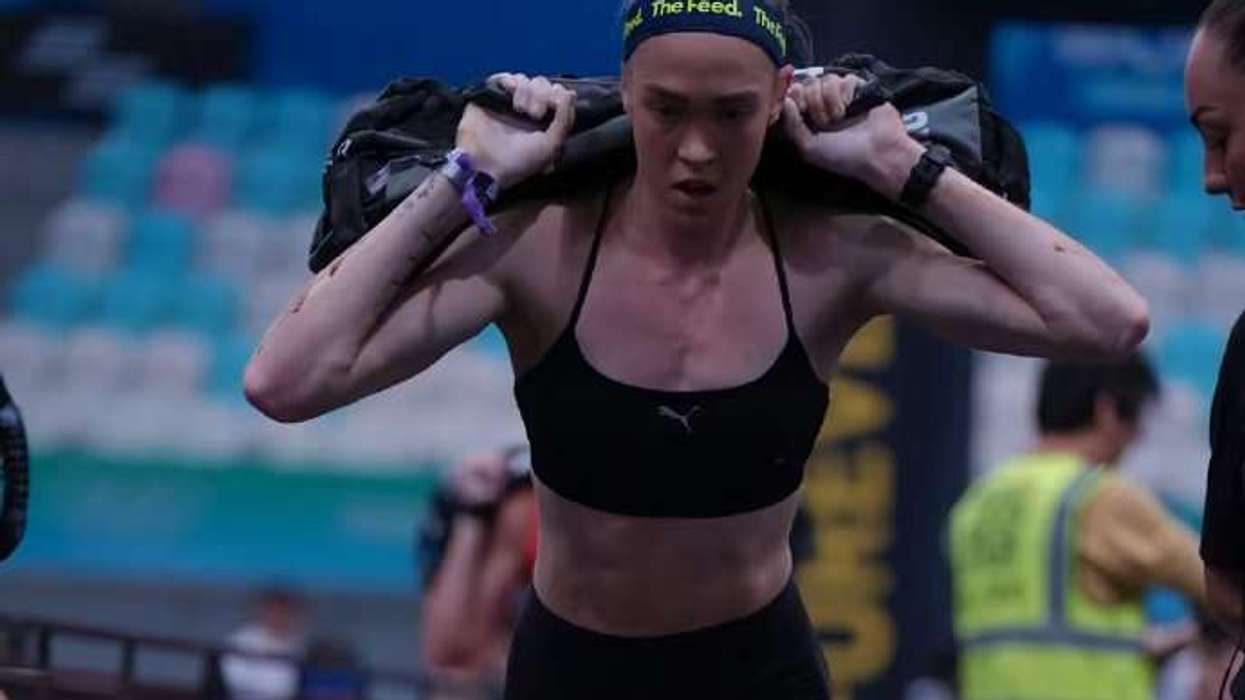
Joanna Wietrzyk won her race in Beijing on Saturday. That's not what most people are talking about. The Melbourne athlete, who holds the current HYROX world record, experienced sudden bowel incontinence partway through the competition and continued racing to the finish, and it's the decision to continue, not the medical incident itself, that's now the subject of genuine debate within the sport.
What actually happened?
Wietrzyk was competing in the women's Pro division at HYROX Beijing on 12 September when she experienced sudden bowel incontinence during the race. Rather than withdrawing, she continued through the remaining stations, including shared equipment such as rowing machines and wall-ball stations, and finished the course in a time of 1:01:23 to win the event. Footage and images from the race circulated widely on Chinese social media over the weekend, prompting HYROX China to issue a public statement addressing hygiene concerns.
Australian athlete #Joanna Wietrzyk was unable to control her bowels during a #HYROX race in #China.
The race was not stopped, so other participants had to continue competing on the contaminated surface and use the same equipment. What do you think?🤔 pic.twitter.com/VZgOriN3ef
— GeoSight (@ShanxiDaily) September 14, 2026
Why is this actually controversial?
Because of what it meant for everyone racing after her, more than the incident itself. HYROX events involve competitors sharing the same equipment and floor surfaces throughout the day, and multiple participants raised concerns that continuing to compete risked contaminating stations later athletes would also need to use. Some questioned why race officials didn't intervene sooner, while others focused on whether paying competitors affected by the contamination deserved some form of compensation. One widely shared comment from the sport's own community summed up the actual point of contention: this wasn't really about mocking an athlete for an embarrassing bodily function, but about what protocol should exist for exactly this kind of situation during a major event.
| What's confirmed | |
|---|---|
| Event | HYROX Beijing, women's Pro division |
| Date | Saturday, 12 September |
| Winning time | 1:01:23 |
| Athlete's status | Current HYROX world record holder (54:25, set in Warsaw, April) |
| Organiser response | Affected lanes closed, equipment removed, overnight deep clean and carpet replacement |
| Central debate | Competitor safety and hygiene protocol, not the medical incident itself |
Is this actually a common issue in endurance sport?
More common than most spectators realise, even if it rarely happens this publicly. High-intensity endurance exercise puts significant strain on the gastrointestinal system, and sudden, involuntary bowel incidents during long-distance running and mixed endurance events are a recognised, documented risk, driven by a combination of physical stress, dehydration and nutrition timing. HYROX combines running with heavy functional exercises across a full course, conditions that intensify exactly that risk. The medical reality isn't in question. What's actually being debated is whether an event's existing rules adequately cover what should happen once it occurs mid-competition.
What has HYROX China said?
Organisers confirmed in a statement that the affected area and race lanes were closed and isolated as soon as possible, with comprehensive disinfection carried out through the rest of the day's events and contaminated equipment removed and replaced. They also confirmed the venue's carpet would be fully replaced, with deep cleaning and disinfection completed overnight ahead of the following day's competitors. Notably, the organiser's public statement didn't name the athlete involved directly, focusing entirely on the sanitation response.
What happens now?
That's largely down to HYROX's own governing rules, which currently don't appear to have a clearly defined protocol for a situation like this one, despite penalising other in-competition conduct such as spitting. Whether the organisation introduces clearer guidance following the Beijing race, covering when an athlete should be required to withdraw for hygiene reasons rather than simply choosing to continue, is the practical question this controversy leaves behind, well after the debate about one individual race has moved on.




 GOALKEEPER LUDEK MIKLOSKO OF WEST HAM UNITED IN ACTION DURING A PREMIERSHIP MATCH AGAINST CHELSEA AT UPTON PARK. CHELSEA WON THE GAME 2-1. Mike Hewitt/ALLSPORT
 Ludek Miklosko of West Ham in action during the Premier League match between Arsenal and West Ham at Highbury in London. Stu Forster/Allsport UK
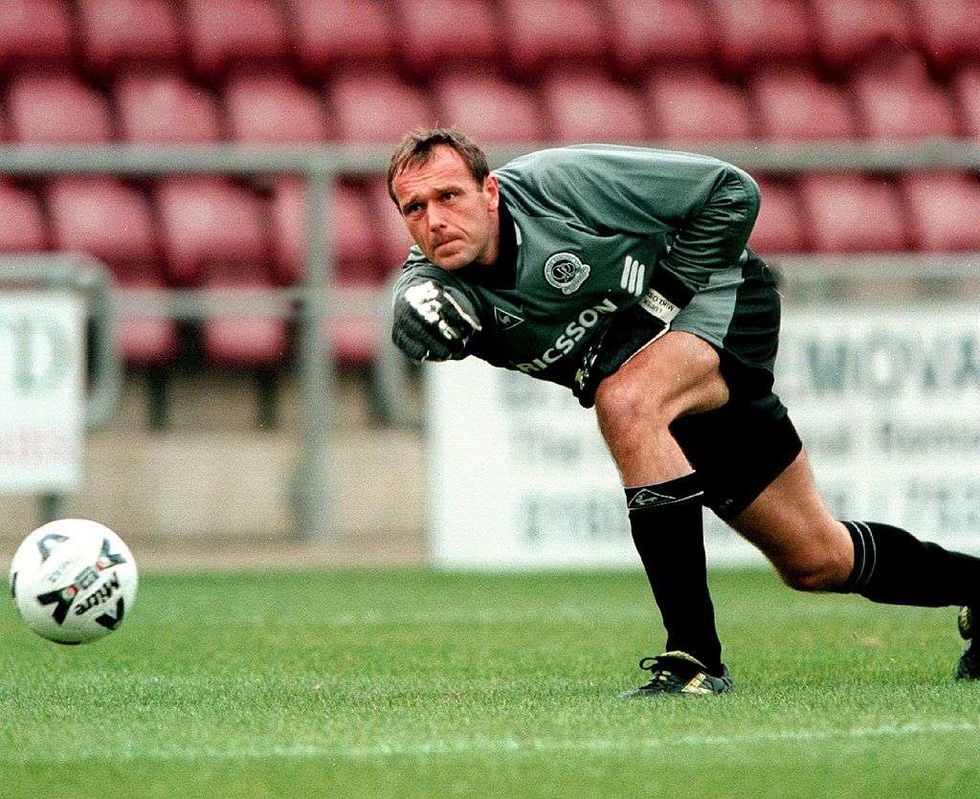 Ludek Miklosko of Queens Park Rangers reserves in action during the Avon Insurance Combination League match against Northampton Town reserves at the Sixfields Stadium, in Northampton, England. Queens Park Rangers reserves won the match 3-1.Peter Norton /Allsport