
- Streaming platforms are shifting aggressively to ad-supported tiers
- Consumers underestimate subscription spending by up to 3x
- Gen Z is normalising “subscribe-use-cancel” behaviour
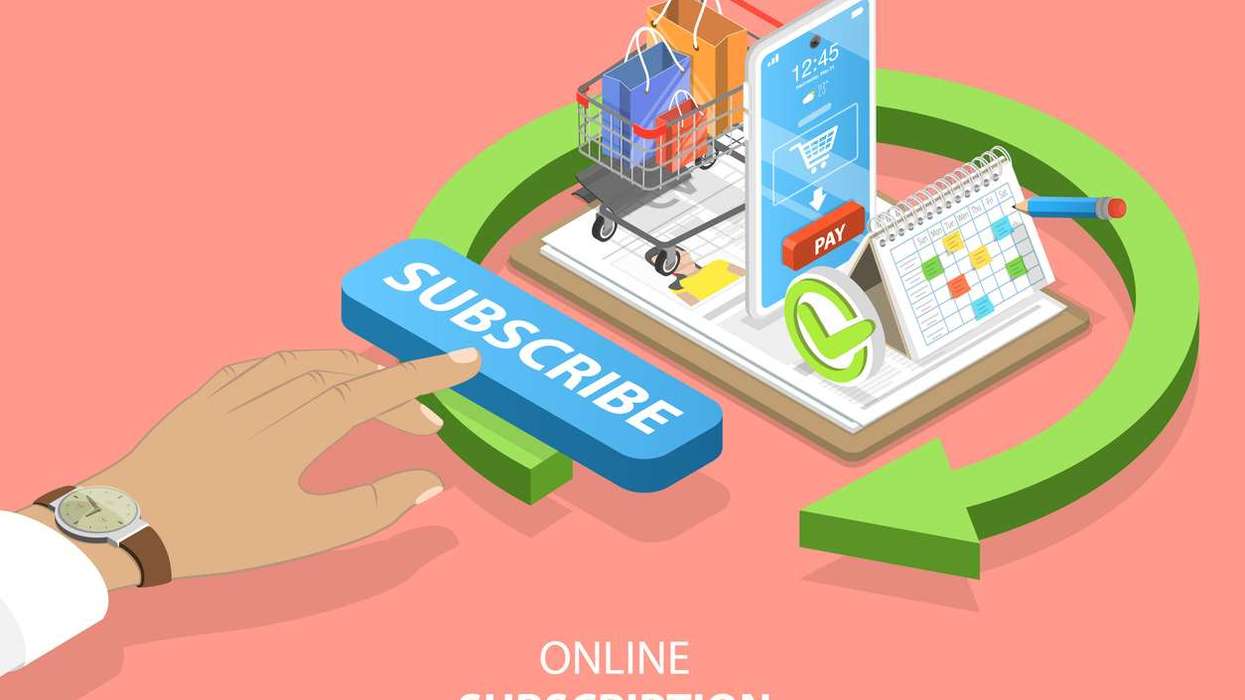
Subscription businesses sold consumers a simple idea for years. Paying £9.99 every month felt easier than paying £300 upfront. That logic helped create a global subscription economy now valued at more than $1.5 trillion, spanning streaming, music, cloud storage, AI tools, fitness apps, gaming and even coffee memberships.
But the model that once looked unstoppable is entering a difficult phase as inflation, price fatigue and changing consumer behaviour collide. Around 47% of consumers cancelled at least one subscription this year, according to recent subscription industry surveys, while companies are increasingly shifting focus from rapid growth to customer retention.
“The tolerance threshold for nice-to-have subscriptions has fallen dramatically,” said subscription strategist Morten Suhr Hansen in Subscrybe’s 2026 trends report.
The biggest problem for subscription companies is that the economics are changing on both sides. Consumers are becoming more price-sensitive at the same time that platforms are becoming more expensive to run.
Streaming services spent years burning billions on original content to win subscribers, but investor pressure is now forcing them to prioritise profitability instead of endless expansion. That shift is directly hitting consumers through repeated price hikes.
Netflix increased prices again in multiple markets this year, while Disney+, Spotify and YouTube Premium also raised subscription fees over the past 18 months. What was once marketed as a cheaper alternative to cable television is slowly beginning to resemble the same expensive bundle consumers tried to escape from.
The rise of the ad-supported internet
The strongest sign of stress inside the subscription economy is the aggressive return of advertising. Platforms that once promised uninterrupted premium experiences are now pushing ad-supported plans because consumer resistance to higher prices is growing rapidly.
Deloitte research found that more than half of streaming users now opt for cheaper ad-supported subscriptions, while another study showed many consumers would rather watch adverts than continue paying rising monthly fees. This marks a major psychological shift because the original streaming revolution was built on removing advertising entirely. Now the industry is reintroducing adverts as a survival strategy.
Companies are also experimenting with entirely new retention tactics to stop subscribers from leaving. Streaming platforms increasingly offer “pause instead of cancel” features, personalised discounts and bundled services that combine music, gaming and video into one payment. Subscription firms are using artificial intelligence to identify users likely to cancel before they actually leave.
These systems track viewing habits, app usage and login frequency to predict churn risks weeks in advance. Once identified, users are often targeted with retention offers, limited-time discounts or downgraded plans designed to keep at least some recurring revenue flowing in.
There is another major problem driving the fallout. Consumers often do not realise how much they are actually spending. Multiple consumer finance studies found users underestimate subscription costs by up to three times because recurring payments feel psychologically smaller than one-time purchases.
A household paying separately for streaming, cloud storage, AI tools, gaming subscriptions, fitness apps and premium delivery memberships may quietly spend hundreds every month without fully noticing the cumulative impact. During a cost-of-living crisis, those “small” payments suddenly begin attracting scrutiny.
Gen Z is rewriting subscription culture
Younger consumers are moulding the industry in ways many subscription businesses did not expect. Gen Z users are increasingly adopting what analysts call “subscribe-use-cancel” behaviour. Instead of maintaining long-term subscriptions, they temporarily subscribe for a single series, sports season, AI project or gaming cycle before cancelling immediately afterwards. This behaviour weakens one of the core assumptions behind recurring revenue models, which depend heavily on long-term customer loyalty and predictable retention.
Research shows younger consumers are far more comfortable treating subscriptions as temporary utilities rather than permanent digital habits. That shift is already changing how companies design their pricing models. Weekly subscriptions, flexible memberships and low-commitment payment plans are growing because consumers no longer want to feel trapped inside recurring billing systems.
Some platforms are even experimenting with modular subscriptions where users pay only for selected content categories or limited access instead of full-service plans. Analysts say the industry is moving away from “owning the subscriber” toward constantly re-earning the subscriber every month.
This pressure is creating a wider identity crisis for the subscription economy. Businesses spent the last decade convincing consumers to subscribe to everything because recurring revenue created predictable valuations and stronger investor confidence. But consumers are reaching saturation point. The average person now pays monthly for entertainment, productivity, cloud storage, wellness, shopping perks, dating apps and increasingly AI assistants. What once felt convenient now feels financially exhausting.
The next battle for subscription companies may not be about attracting new users at all. It may simply be about proving they deserve to stay on consumers’ bank statements every month.
New survival strategy
The industry is also moving back towards bundling after years of encouraging standalone subscriptions. Telecom firms, streaming platforms and technology companies are increasingly packaging services together because consumers no longer want dozens of separate monthly payments. Analysts say ecosystems are becoming more valuable than individual subscriptions because users are more likely to stay when multiple services are connected under one payment structure.
Amazon Prime remains one of the strongest examples because consumers perceive shopping, entertainment and delivery benefits as part of a larger value package rather than isolated charges.
Industry experts say the future of subscriptions may depend less on acquiring new users and more on continuously convincing existing users that monthly payments still offer meaningful value.