
Highlights
- Embassy school teaches 60 pupils aged up to 18 how to operate combat drones and military tactics.
- Curriculum includes Kalashnikov assembly, grenade practice and trench building.
- Military education reflects Russia's shift towards patriotic agenda since Ukraine invasion.
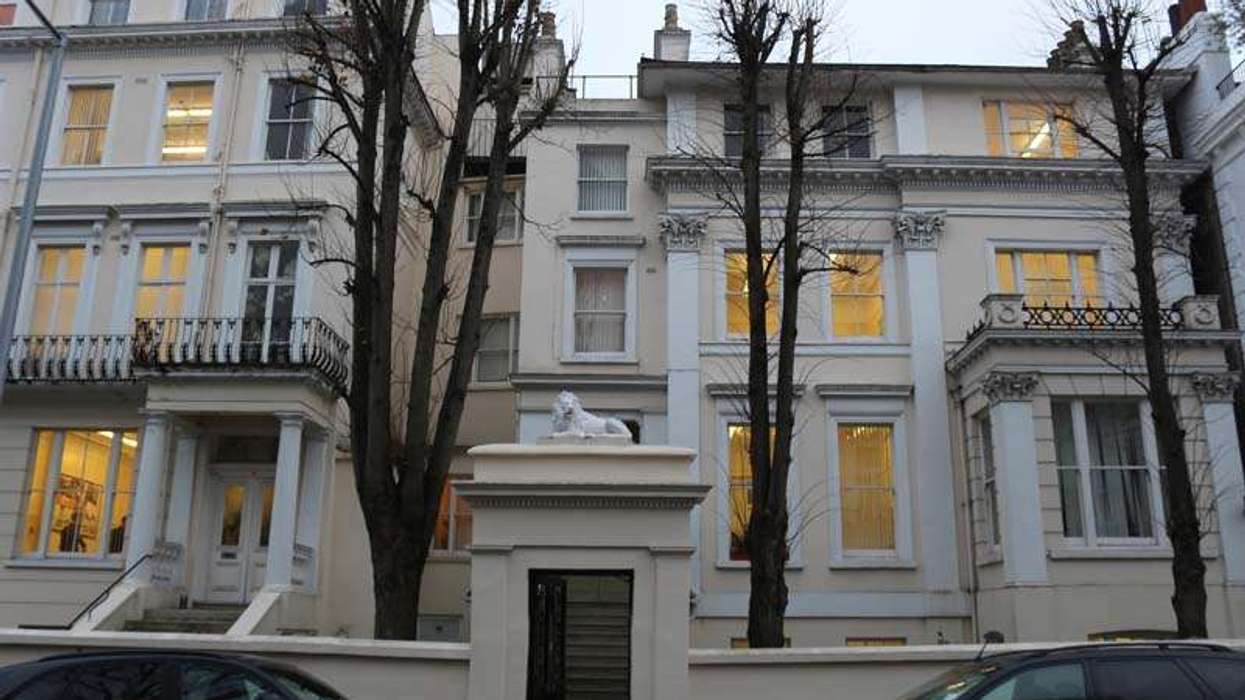
The large white Victorian building in Notting Hill serves around 60 pupils aged up to 18, primarily children of diplomats, Russian nationals and suspected spies.
Overseen by Russia's foreign ministry, the 2024/2025 curriculum for year 10 students reportedly included an hour-long lesson on "basics of technical preparation and communications" of combat drones, The Times reported.
The teachings form part of a course called "Fundamentals of Security and Protection of the Motherland", abbreviated OBZR, which encompasses numerous military-related classes.
Controversial military training
Classes reportedly include battlefield first aid and protection against chemical, biological and radiological weapons.
The OBZR curriculum also explains how to assemble Kalashnikovs, with students practising grenade throws using tennis balls, firing weapons and building trenches.
The curriculum emphasises the importance of pupils aged 15 to 17 learning "the methods of combat use of unmanned autonomous vehicles" and "robotic systems".
Since Russia's invasion of Ukraine four years ago, the country has shifted its education system towards a more patriotic and militarised agenda.
Earlier reports reveal Russia's wartime curriculum includes significant propaganda about the ongoing war, flag raising, singing the national anthem, and classes emphasising citizens' duty to their country and self-sacrifice.
Battlefield reality reflected
Implementation of drone classes mirrors developments on the battlefield, with increased drone use dominating the ongoing war. Often cheap to manufacture and able to fly deep into enemy territory, drones have become essential weapons.
A Ukrainian drone pilot told the Standard "Drones changed the warfare very dramatically, but now the enemy has also mastered (them)."
According to the European Council on Foreign Relations, drones have become a "central weapon" in the ongoing conflict, with "astonishing levels" of unmanned aircraft operated by both Russian and Ukrainian pilots.
Yesterday, a Russian drone strike on a bus killed 12 Ukrainian miners.
CNN reported that Russia has been using Elon Musk's Starlink satellite terminals mounted on drones to fly unmanned aircraft deeper into Ukrainian territory.
The report claims Starlink allows Russia to bypass Ukrainian defences that jam enemy drone signals, making the weapons more deadly. The Russian embassy has been approached for comment.