
US LAWMAKERS and immigration groups have condemned a new Trump administration policy that requires people applying for green cards to do so from their home country, rather than from within the US.
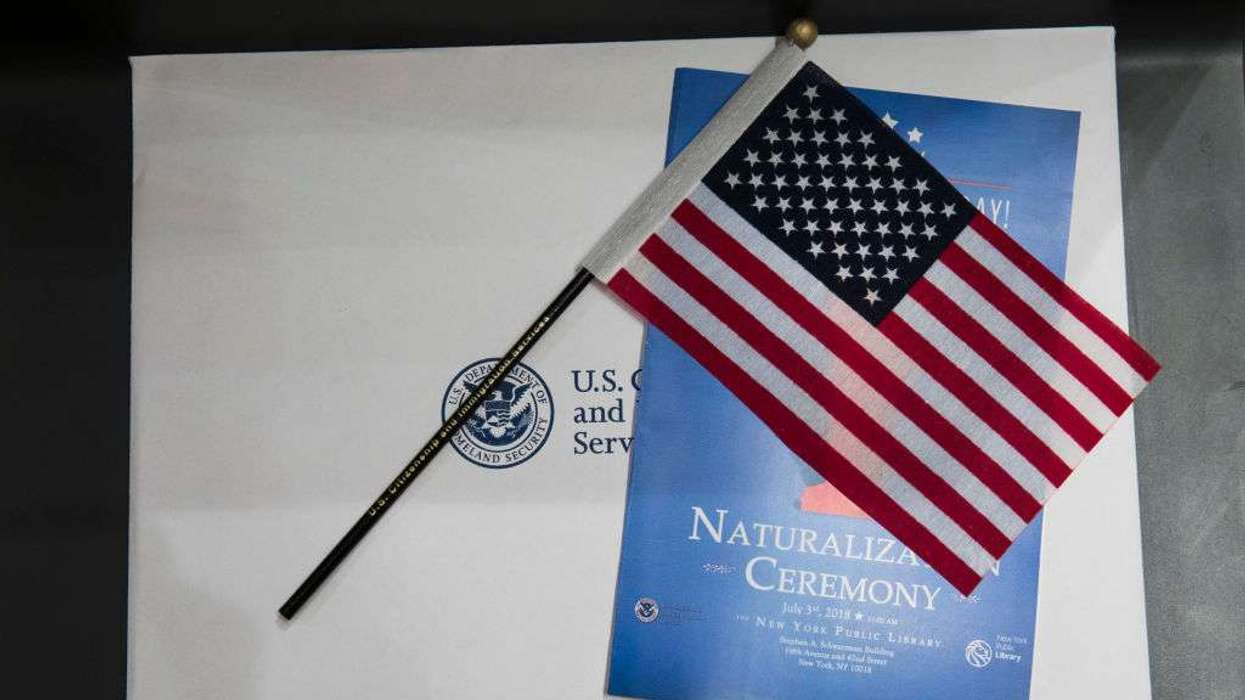
The US Citizenship and Immigration Services (USCIS) announced the change on Friday (22), saying that people in the country on temporary visas, including students, workers and tourists, must return home to apply for permanent residency, except in what it called extraordinary circumstances.
The agency did not clearly specify which groups would be exempt, saying only that people who provide an economic benefit or are otherwise in the national interest would likely be able to continue on their current path. It was not immediately clear whether that would include skilled workers on H-1B visas.
The previous policy, in place since the 1950s, allowed people to apply for a change of status from inside the United States.
'Trump administration's claim is false'
Democratic lawmakers said they would pursue every avenue to fight the decision. Congresswoman Grace Meng, chair of the Congressional Asian Pacific American Caucus, called it "reckless and wrong" and said it showed "a stunning disregard for the human cost it will impose on hundreds of thousands of people each year."
Congressman Dan Goldman of New York said the policy "solely targets legal immigrants," adding: "This is as stupid as it is cruel. We won't let this happen."
Congressman Joaquin Castro of Texas, a member of the House Foreign Affairs Committee, said the change would "separate husbands and wives, parents and children, and break apart communities."
Immigration advocacy group FWD.us said the Trump administration's claim that the policy was a return to the original intent of the law was "plainly false," arguing the adjustment of status process was expressly created by Congress and had been reaffirmed many times over the decades.
Ajay Bhutoria, a former White House adviser under president Biden, said that 1.2 million Indian Americans and their families had been left "in limbo after they followed every law, paid taxes and waited legally for decades." He said various groups were preparing legal challenges to the policy.
David Bier, director of immigration studies at the Cato Institute, said the policy was illogical and would drive skilled workers to other countries, making the United States less competitive.
(PTI)