
- Volkswagen plans to cut up to half of its vehicle models to reduce costs and focus on its strongest sellers.
- The company is battling weaker sales, especially in China, alongside rising tariff and regulatory pressures.
- The overhaul comes as Volkswagen weighs deeper cost cuts, including potential job reductions and factory closures.
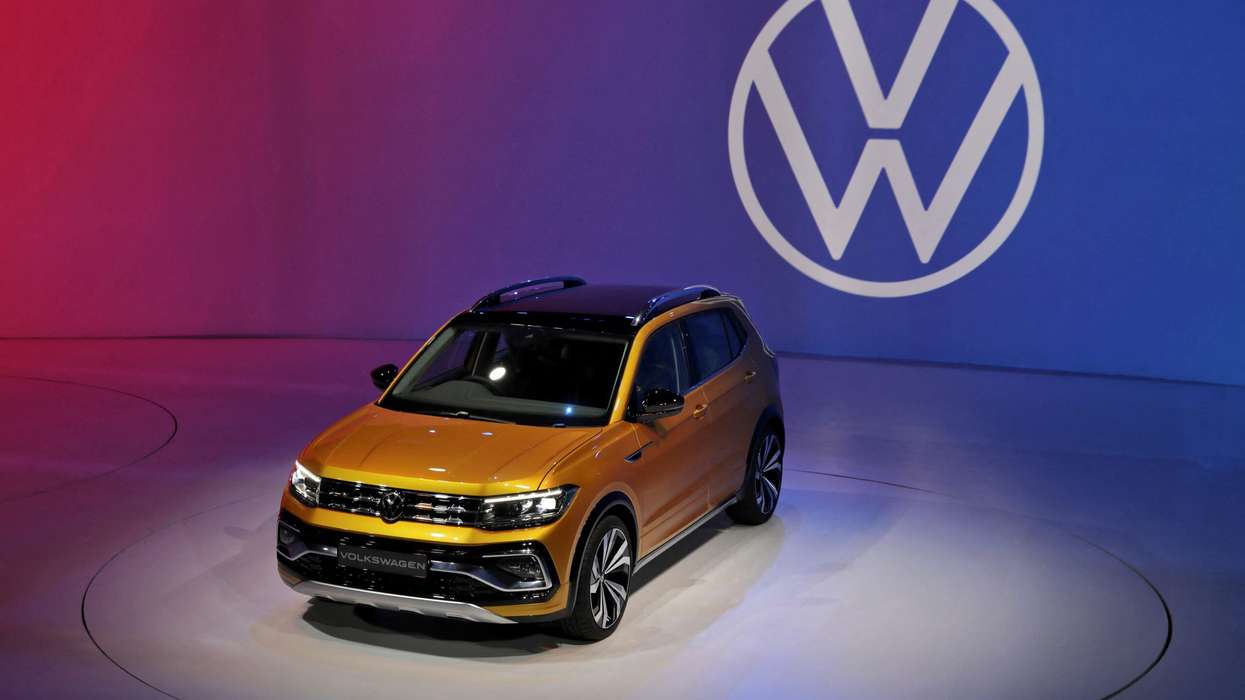
Volkswagen is preparing one of the biggest shake-ups in its history, with plans to cut up to half of its vehicle models as the German carmaker looks to reverse slowing sales and reduce costs.
The Volkswagen model cuts are part of what the company describes as a "fundamental realignment" aimed at making the business leaner and more competitive. Rather than maintaining a vast range of vehicles, the company plans to concentrate on its best-selling and most profitable models, although it has not said which cars will disappear or when the changes will take effect.
The announcement follows a difficult period for Europe's largest carmaker. Volkswagen sold just under 2.1 million vehicles in the second quarter, down 8.6 per cent from a year earlier. Its core Volkswagen brand recorded deliveries of just over 1 million vehicles between April and June, a 14 per cent decline.
A painful reset
The slowdown has been particularly severe in China, traditionally Volkswagen's largest market, where sales reportedly fell by around one-third as domestic manufacturers continued to gain ground, particularly in electric vehicles.
Other brands within the Volkswagen Group also faced pressure. Audi deliveries dropped 8 per cent, while Porsche reported an 18 per cent decline. Lamborghini, Skoda and the company's truck business were among the few divisions to record growth.
Chief executive Oliver Blume reportedly said reducing the number of vehicle models would make Volkswagen "faster, more robust and more competitive".
The company blamed a combination of higher tariffs, geopolitical uncertainty and tighter regulatory requirements for worsening trading conditions. It also acknowledged that demand in Europe remains below pre-pandemic levels, while Audi and Porsche continue to face additional pressure from higher US tariffs because neither brand manufactures vehicles in the United States.
More cuts could follow
Volkswagen currently manages around 150 models across brands including Volkswagen, Audi, Bentley, Lamborghini and Porsche. Industry analysts expect niche models to be the first casualties, while established nameplates such as the Golf and Polo are likely to remain central to the company's future line-up.
The restructuring comes after reports that Volkswagen is considering reducing planned investment by more than £100 billion over the next five years. Management has also reportedly pushed for up to 100,000 job cuts and the closure of four factories in Germany, although those proposals failed to secure board approval.
Instead, the company is expected to enter further negotiations with employee representatives. Volkswagen had already agreed with unions to eliminate more than 35,000 jobs at its core German operations by 2030, but executives reportedly believe additional savings are now needed as market conditions continue to deteriorate.
The proposals have drawn strong opposition from labour representatives. Works council chief Daniela Cavallo reportedly criticised management's latest plans, saying "enough is enough", while warning that unions could organise wider employee action if further job cuts or factory closures are pursued.
For now, Volkswagen has confirmed only that its model range will be significantly streamlined. Which vehicles survive the overhaul could become one of the biggest questions facing Europe's largest carmaker over the coming months.