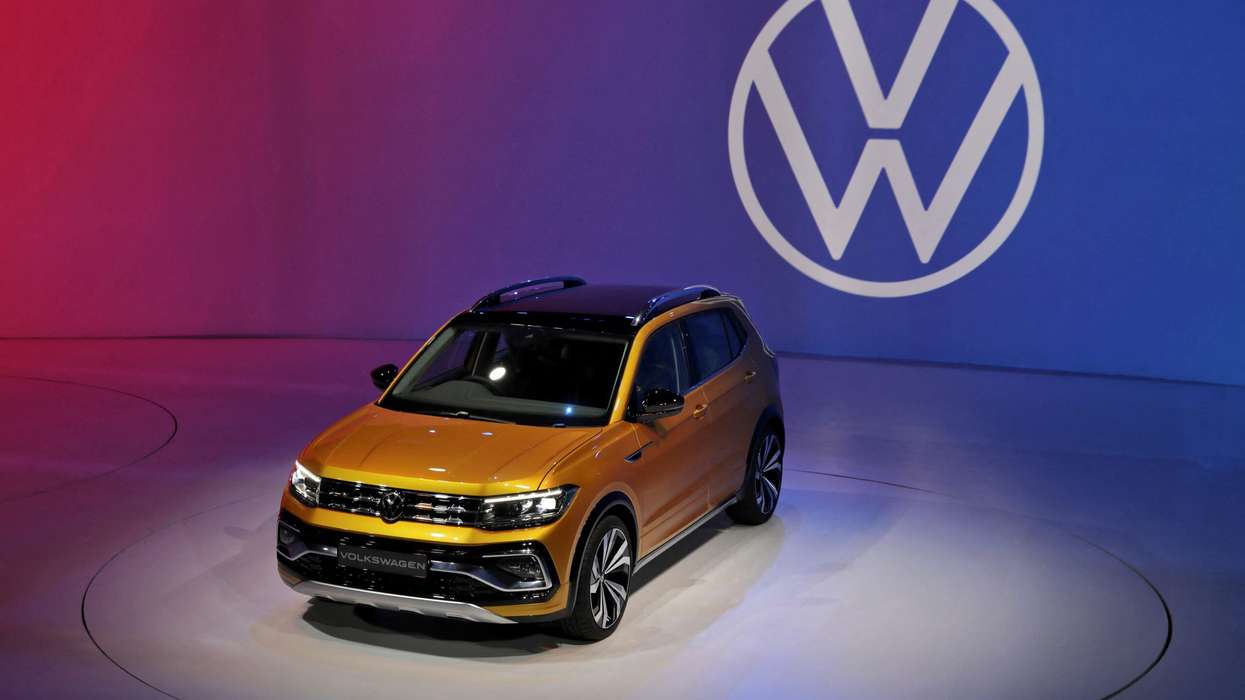

- Volkswagen is reportedly considering cutting up to 100,000 jobs and closing four factories in Germany.
- The proposed overhaul comes as the carmaker struggles with Chinese competition, US tariffs and slowing demand in Europe.
- Labour unions and the German state of Lower Saxony have vowed to oppose the plans.
Volkswagen job cuts could reach 100,000, with the company also weighing the closure of four German factories in what could become the biggest restructuring in the history of the automotive industry.
According to people familiar with the matter, the proposals have already been shared with members of Volkswagen's supervisory board and are expected to be discussed at a meeting on July 9. If approved, the plans would significantly expand the company's existing restructuring programme and reshape one of Germany's largest employers.
Volkswagen declined to comment on what it described as confidential documents but acknowledged that the group "must undergo profound change", as quoted in a company statement.
A giant under pressure
The proposed overhaul comes as Volkswagen faces mounting challenges on several fronts. The company has been losing market share in China, where domestic electric vehicle makers have expanded rapidly, while higher US tariffs on imported vehicles and weaker demand across Europe have added to the pressure.
The latest proposal reportedly includes closing production sites in Hanover, Zwickau and Emden, along with Audi's Neckarsulm factory. More than 45,000 jobs could be affected by those closures alone, on top of the 50,000 workforce reductions that are already planned by the end of the decade.
Chief executive Oliver Blume is also reportedly considering separating the core Volkswagen brand and parts operations into standalone businesses as part of a broader effort to make the group more efficient. According to reports, Volkswagen is also looking to reduce planned investment by around 15 per cent, bringing spending over the next five years to just over €130 billion (£111 billion).
If the plans proceed in full, the restructuring would rank among the largest ever seen in the global automotive industry.
Resistance already building
The proposals are expected to face strong opposition from labour unions and political leaders.
Volkswagen's works council and Germany's IG Metall union said, in a joint statement reportedly quoted in news reports, that they would do "everything in our power" to prevent the measures from going ahead.
The government of Lower Saxony, Volkswagen's second-largest shareholder, has also indicated it would not support the proposed factory closures.
Restructuring at Volkswagen has long been complicated by its ownership structure. Worker representatives hold half the seats on the company's supervisory board, while Lower Saxony also has board representation, giving labour groups and regional politicians considerable influence over major strategic decisions.
The company employs around 667,000 people globally, with nearly 43 per cent of its workforce based in Germany.
Industry analysts say Volkswagen's biggest challenge extends beyond cost-cutting. Ingo Speich, a portfolio manager at Volkswagen shareholder Deka, reportedly said that reducing costs alone would not solve the company's problems, arguing that stronger demand for competitive new models remains essential.
The pressure has intensified as Chinese manufacturers continue to expand globally. According to AlixPartners, the combined market share of foreign carmakers in China fell to 32 per cent in 2025 from 57 per cent in 2020. Volkswagen, once the country's top-selling carmaker, has slipped behind Chinese rival BYD, while brands including Chery, SAIC and Leapmotor continue to grow their presence across Europe.
Volkswagen shares fell to their lowest level in 16 years after reports of the restructuring plans emerged, reflecting investor uncertainty over whether the overhaul can restore the company's competitiveness.