
- Southern Water says supplies to 165,000 people could be compromised if dry weather continues.
- A rare ban could stop businesses filling pools, washing vehicles and watering gardens.
- The River Test is under pressure as customer demand has climbed to more than 660 million litres a day.
Southern Water has asked the government for permission to impose a rare non-essential use ban in parts of Hampshire and the Isle of Wight, warning that 165,000 people around Southampton and Eastleigh could face water shortages if dry conditions continue.
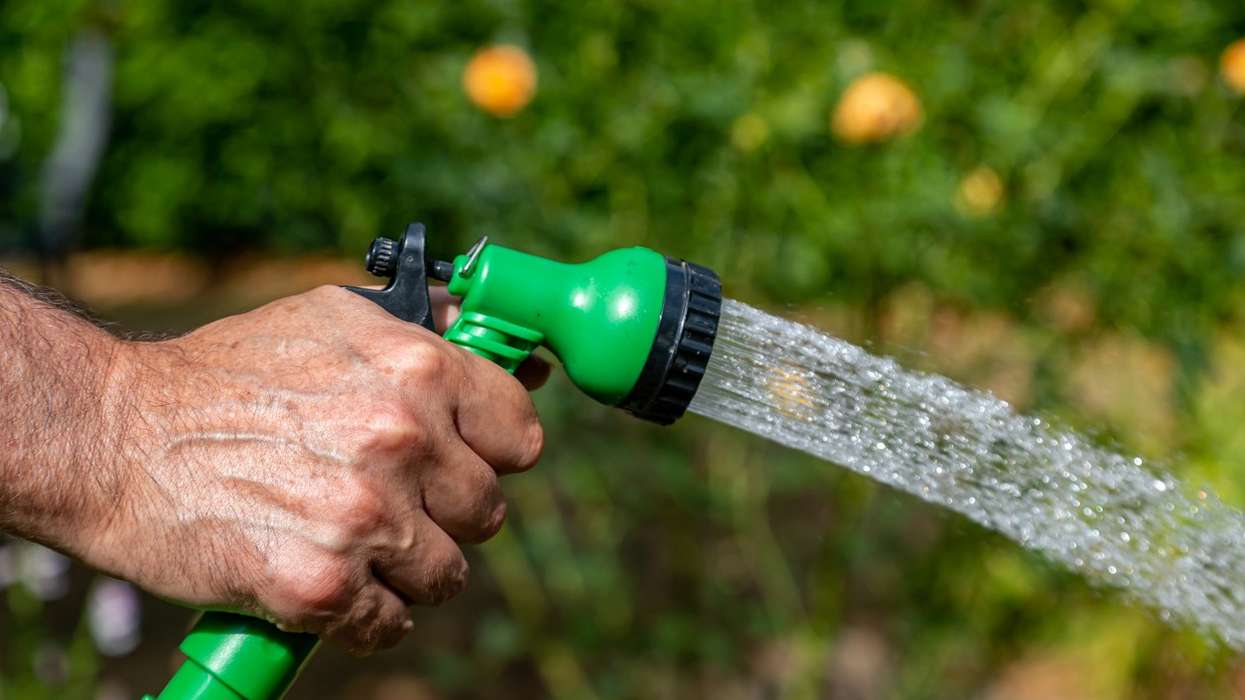
The proposed Southern Water drought order would go beyond the hosepipe restrictions already affecting millions of people. If approved and brought into force, businesses could be stopped from washing vehicles, cleaning windows and watering outdoor gardens, while filling and maintaining non-domestic swimming pools could also be restricted.
The application is being treated as a precautionary measure rather than an immediate warning that taps are about to run dry. But Southern Water says the situation could become serious if rainfall remains low and demand does not ease.
Environment Secretary Angela Eagle has 28 days to decide whether to approve or reject the request.
The scale of the proposed restrictions reflects the pressure on the region's water system. Southern Water normally supplies around 550 million to 560 million litres of water a day, but demand has risen above 660 million litres during the run of hot weather.
At the same time, flows in the River Test, a rare chalk stream that plays a central role in supplying Southampton and the Isle of Wight, have fallen to around half their usual levels or lower at some monitoring points.
That leaves Southern Water with a difficult balancing act. It needs to take enough water from the river to supply customers, while also meeting environmental requirements designed to protect the Test.
Since 2018, the company has been required by the Environment Agency to maintain higher flows in the river to protect its environment. Southern Water says that if restrictions on abstraction from the Test are reached, one of its service reservoirs could provide supplies for only a day or two before parts of the network begin to struggle.
In its application, the company reportedly warned that the Southampton West supply area could then be "significantly affected by a restricted water supply", potentially leaving some customers without water from their taps.
A ban that goes beyond the hosepipe
The proposed restrictions would mark a significant escalation from the temporary use bans already introduced across parts of the country.
A temporary use ban, commonly known as a hosepipe ban, generally targets household activities such as watering gardens or washing cars. A non-essential use ban can go further by restricting certain commercial and business uses of water.
That could put swimming pools, car dealers, window cleaners and other businesses in Hampshire and the Isle of Wight under pressure if the order is approved and implemented.
Such bans are unusual. The last one was imposed in 2006, with the previous example dating back to 1996.
The wider water situation has already been deteriorating. Government drought reports have recorded falling river flows and declining reservoir storage, while almost 40 per cent of England's population was facing water-use restrictions by late July.
Southern Water itself introduced a temporary use ban covering Hampshire and the Isle of Wight from July 10. The company had also sought a similar non-essential use ban during the previous drought, but rainfall eventually meant it was not needed.
The company has stressed that applying for the order does not mean it will necessarily be used. It says the approval process takes time and that it needs to have options available if exceptionally dry conditions persist.
No other water company has so far sought a restriction of the same scale, according to reports.
The government is also keeping the decision under review. A Department for Environment, Food and Rural Affairs spokesman reportedly said ministers were working with the Environment Agency, water companies, farmers and environmental groups to protect supplies while limiting damage to nature.
Britain is running out of room for hot, dry weather
The pressure on Southern Water comes as the UK heads towards what could become another record-breaking summer.
Met Office figures show the average UK temperature for the summer so far has reached 16.48C, compared with 16.12C for last summer, which currently holds the record. The Met Office said on August 11 that only average temperatures for the rest of August would be needed for 2026 to overtake last year's record.
Five heatwaves have already pushed up demand for water, while prolonged dry conditions have put rivers, reservoirs and agriculture under additional pressure.
For Southern Water, the immediate concern is the gap between how much water customers are using and how much can safely be taken from the River Test.
If rain returns, the proposed restrictions may never come into force. If the dry spell continues, however, the government could be faced with an unusual choice: place tighter limits on businesses now, or risk allowing water supplies in parts of Hampshire to come under greater strain later.
For the 165,000 people identified by Southern Water, that distinction could become increasingly important as the summer progresses.