
- First-class next-day deliveries rose to 85 per cent, but remain below Ofcom's 90 per cent target.
- Second-class deliveries reached 91.4 per cent within three working days, against a 95 per cent target.
- Royal Mail is investing £500 million over five years to improve its service.
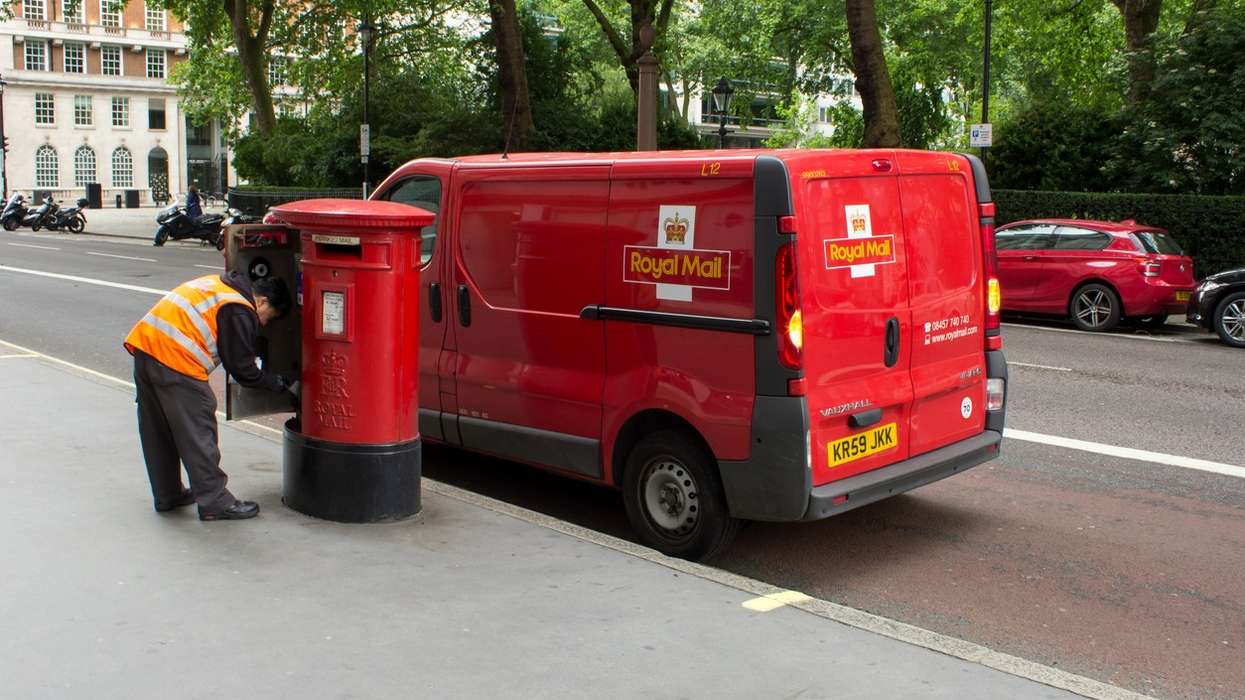
Royal Mail is delivering more letters on time than it was a year ago, but it still cannot meet the standards set by the postal regulator.
The company delivered 85 per cent of first-class mail the next working day between April and June, up from 76 per cent during the same period last year. But that remains below Ofcom's 90 per cent target.
For second-class mail, 91.4 per cent was delivered within three working days, compared with 89.3 per cent a year earlier. Again, that fell short of Ofcom's 95 per cent target.
The improvement gives Royal Mail something positive to point to, but the gap between its performance and the regulator's expectations shows why the company's turnaround is far from finished.
The targets have already been lowered
Royal Mail is not being measured against the same targets it faced a year ago.
From April 2026, Ofcom reduced the first-class target from 93 per cent to 90 per cent, while the second-class target fell from 98.5 per cent to 95 per cent.
Even against those lower thresholds, Royal Mail is still falling short.
The company has been under sustained pressure over late deliveries. Ofcom opened another investigation into its performance after Royal Mail missed its targets for the 2025-26 financial year, when only 75.7 per cent of first-class mail arrived the next working day and 90.2 per cent of second-class mail arrived within three working days.
Ofcom has previously fined Royal Mail £21 million for missing its 2024-25 targets, bringing the total penalties for delivery failures in recent years to more than £37 million.
That history helps explain why the latest figures matter even though they show an improvement.
Can £500 million finally fix the problem?
Royal Mail is betting on a major overhaul of its network.
The company has committed £500 million over five years to improve reliability and says it expects to meet Ofcom's delivery targets by May 2027. The changes include a new delivery model under which second-class letters will no longer be delivered every Saturday, while first-class deliveries will continue six days a week.
The changes come against a much bigger challenge: fewer people are sending letters.
Royal Mail delivered about 20 billion letters a year two decades ago. That figure has fallen to around 6.5 billion, while the number of addresses it serves has continued to increase.
The company therefore has to maintain a nationwide delivery network while handling far fewer letters than it once did.
Royal Mail's chief operating officer Jamie Stephenson reportedly said the latest results were encouraging and showed that the improvement plan was having an impact, while acknowledging that there was still more work to do.
For customers, however, the real test is fairly simple: how long does the letter take to arrive?
Royal Mail has improved considerably from last year's performance, but with its targets still out of reach and another regulatory investigation underway, the postal service has not yet reached the point where improvement can be called a solution.