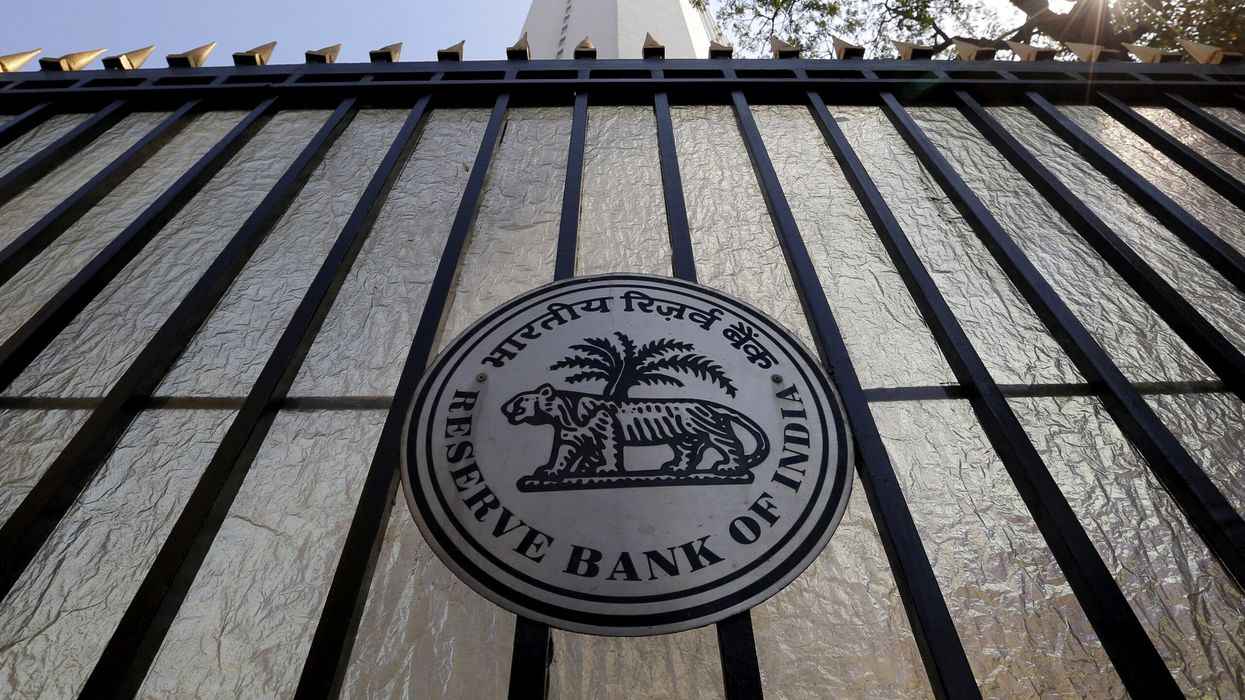

INDIA's central bank on Wednesday cut its key interest rate as new US tariffs came into force and policymakers flagged “challenging global economic conditions”.
This is the second rate cut by the Reserve Bank of India (RBI) this year and comes as the Indian economy slows and faces additional pressure from US president Donald Trump's trade measures.
The RBI reduced the benchmark repo rate — the rate at which it lends to commercial banks — by 25 basis points to 6 per cent.
The announcement came on the same day the US implemented a 26 per cent tariff on goods from India, the world’s most populous country.
With inflation easing in recent months, the RBI said it was focusing on reviving economic growth, which has slowed over the past few quarters.
Economists expect that Trump's protectionist measures will increase growth challenges and affect India's export sectors, including gems, jewellery and seafood, despite India not being a major manufacturing hub.
Goldman Sachs has revised its GDP growth forecast for India from 6.3 to 6.1 per cent for the current financial year due to the likely impact of US tariffs.
The RBI also lowered its own growth projection, reducing the estimate from 6.7 per cent to 6.5 per cent.
The monetary policy committee said recent trade-related tariff actions had “exacerbated uncertainties” and impacted the “economic outlook across regions”.
“In such challenging global economic conditions, the benign inflation and moderate growth outlook demands that the MPC continues to support growth,” it said.
RBI Governor Sanjay Malhotra, speaking in Mumbai, said that global trade frictions were weighing on domestic economic prospects.
"The year has begun on an anxious note for the global economy," Malhotra said. "Some of the concerns on trade frictions are coming true, unsettling the global community."
He said there were “several known unknowns”, including how relative tariffs would play out, making it difficult to assess the full impact.
India had earlier cut interest rates in February 2024 for the first time in nearly five years, aiming to support an economy facing weak consumer demand, slow manufacturing growth and lower public spending.
India’s economic growth is expected to be the slowest since the Covid-19 pandemic, down from 9.2 per cent in 2023-24.
The Indian government has responded cautiously to US trade actions. The Department of Commerce said last week it was assessing the "implications" and "opportunities" following the tariff hikes, particularly as other manufacturing nations were more affected.
New Delhi and Washington are in talks over a bilateral trade agreement, with the first phase expected to be finalised by autumn.
Shilan Shah from Capital Economics said the RBI's rate cut was expected given falling inflation and pressure from US tariffs.
Shah said more rate cuts could follow, noting the “uncertainty around US trade policy set to rumble on and inflation looking contained”.
(With inputs from agencies)