
Skip to content
Search

Latest Stories

Submit Guest Post

13 Indians among 16 missing as oil tanker sinks off Oman coast

The ‘Prestige Falcon’ crew included 13 Indians and 3 Sri Lankans. A search and rescue operation was activated.

13 Indians among 16 missing as oil tanker sinks off Oman coast

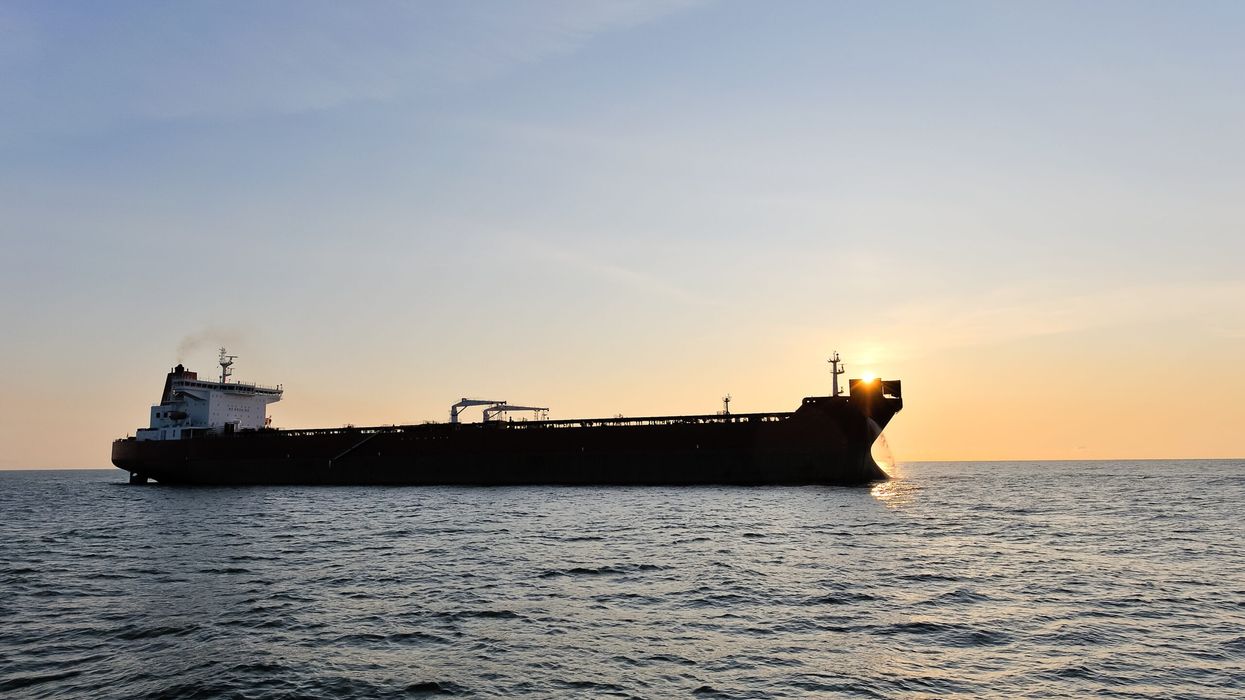
Thirteen Indians are among the 16-member crew of an oil tanker that went missing after it capsized off the coast of Oman, according to the country's maritime authority.

The Comoros-flagged tanker capsized 25 nautical miles southeast of Ras Madrakah in the Wilayat of Duqm.


A search and rescue operation was activated in coordination with the concerned authorities, as stated by Oman's Maritime Security Centre in a post on X on Monday.

The 'Prestige Falcon' crew included 13 Indians and 3 Sri Lankans, the centre said in a statement on Tuesday.

"The crew of the ship are still missing," the statement said, noting that the search was ongoing.

The vessel was headed for the Yemeni port city of Aden, according to the shipping website marinetraffic.com, which reported that it departed from the port of Hamriya, in Dubai.

Duqm Port is a major hub for Oman's oil and gas mining projects.

(With PTI inputs)

Add EasternEye As Your Trusted Source
preferred source on google news

More For You

heatwave
A month of record-breaking heat is pushing parts of Britain into uncharted territory.
Getty Images

Scientists link Europe's record June heatwave to human-caused climate change

  • Scientists say the June heatwave would have been virtually impossible without human-caused climate change.
  • Nearly half of the European cities studied have recorded or are expected to record their highest late-June heat stress levels.
  • Researchers warn that rising night-time temperatures are making heatwaves more dangerous for public health.

A new climate change study has concluded that the Europe heatwave sweeping across Western Europe would have been "virtually impossible" without human-caused global warming, adding fresh evidence that rising temperatures are making extreme weather events more frequent and more intense.

The analysis, carried out by the World Weather Attribution (WWA) group, found that climate change has dramatically increased the likelihood of the record-breaking June heatwave. Researchers said exceptionally hot nights during the current event are now more than 100 times more likely than they were just two decades ago.

Keep ReadingShow less