
Highlights
- One cancer diagnosis every 80 seconds in UK.
- Early detection unchanged since 2013.
- 107,000 patients wait over two months for treatment.
Cancer Research UK's latest report shows the detection system is not working well enough.
Michelle Mitchell, the charity's chief executive, called the findings "deeply worrying" and warned that "without urgent action, we won't see rates of improvements in cancer survival and outcomes that cancer patients deserve and expect."
New cases have risen to 620 per 100,000 people, up from 610 ten years ago. This increase comes from more older people in the population, with obesity adding to the problem.
But the system meant to catch these cancers early has made almost no progress.
Regional performance drops
England shows the problem clearly. Early detection was 55.3 per cent in 2022, compared to 54.1 per cent in 2013. Wales actually got worse, falling from 52.9 per cent to 51.7 per cent over the same time.
Scotland managed a small rise from 50.9 per cent in 2016 to 51.3 per cent in 2023. Northern Ireland dropped from 54.9 per cent to 53.8 per cent between 2015 and 2022.
The government wants 75 per cent of cancers diagnosed early by 2035. Cancer Research UK says "the current trajectory falls short of this."
This target replaced an earlier NHS plan aiming for 2028, which is now seen as impossible to reach.
Some cancers get caught early more often than others. Melanoma, testicular, thyroid and breast cancers have the highest early detection rates.
Lung cancer and stomach cancers like oesophageal, stomach and pancreatic show the lowest rates.
Early detection makes a huge difference to survival. Analysis from Wales shows all breast cancer cases caught at stage one survived five years, compared to just 30 per cent at stage four.
For bowel cancer, stage one had over 90 per cent survival versus less than 10 per cent at late stages.
Lung cancer showed 55 per cent survival at stage one but only 3 per cent at late stages.
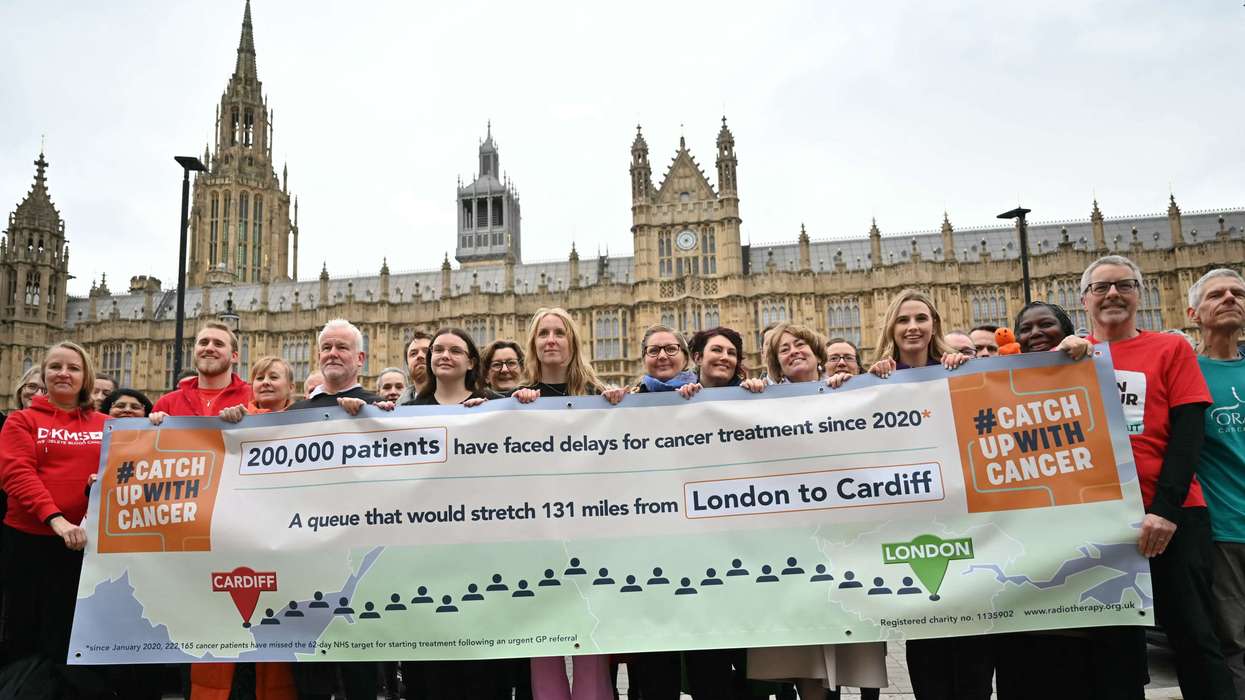
Around 107,000 cancer patients waited more than 62 days to start treatment across the UK in 2025.
The charity said NHS services struggle to cope with rising demand as the population grows and ages.
Screening problems continue
Lung cancer screening shows some promise. The programme targets 55 to 74-year-old current or former smokers and has started improving early detection. Cancer Research UK wants this available to more people.
Other screening programmes show worrying signs. Fewer people are taking up cervical and breast cancer screening.
The charity says fixing these programmes to get more people involved would catch an extra 11,000 cases each year.
The UK National Screening Committee is looking at prostate cancer screening but has said no to a national programme so far. Prostate cancer is now the most common cancer in the UK.
The national cancer plan published in February could help but needs proper funding. Cancer Research UK said the government's plan "could make a big difference, but only if it turns into improvements for cancer patients."
A Department of Health spokesman said the NHS did a record number of tests in the last 12 months, with £26 billion extra funding.
Fewer people are dying from cancer and more survive ten years or longer. But Cancer Research UK warned this progress might stop due to pressure on cancer services.