
Highlights
- Monster: The Lizzie Borden Story revisits one of America's most enduring murder mysteries
- The series examines the restrictions placed on women in the 1890s
- Lizzie Borden was tried and acquitted over the deaths of her father and stepmother
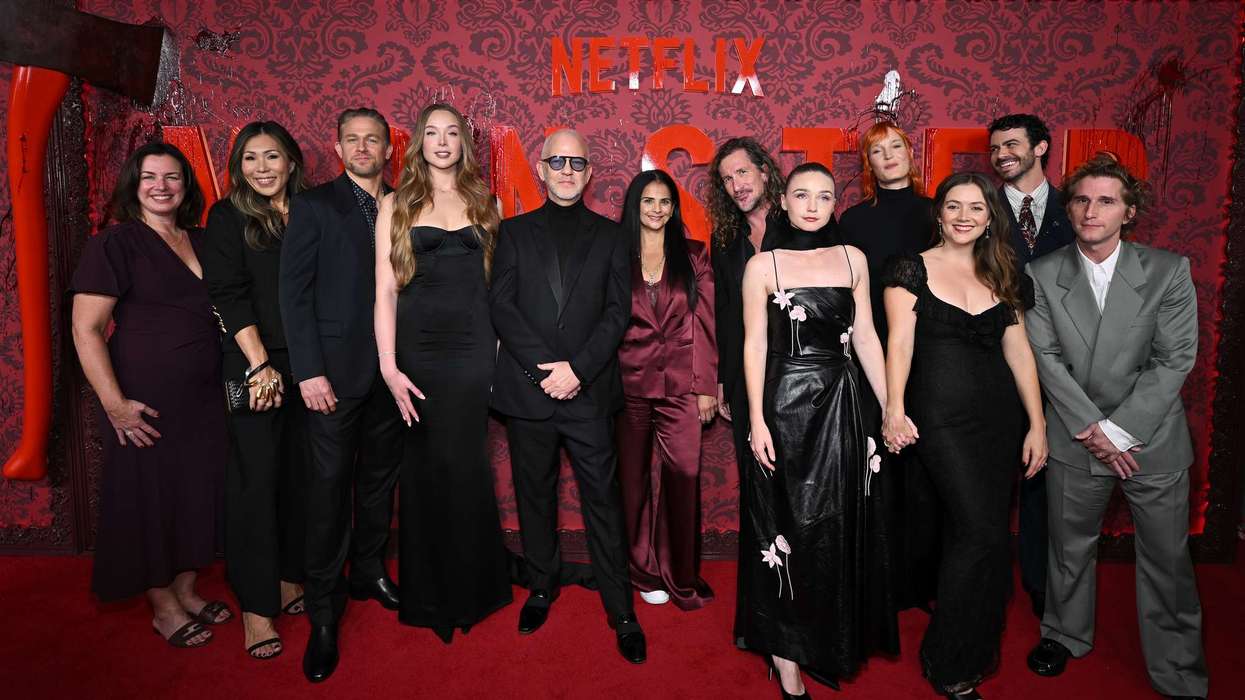
Netflix is revisiting one of America's most enduring murder mysteries with Monster: The Lizzie Borden Story, the first female-focused season of the Monsters anthology.
Starring Ella Beatty as Lizzie Borden, the series dramatises the case of the Massachusetts woman who was tried and acquitted over the 1892 axe murders of her father, Andrew Borden, and stepmother, Abby Borden. More than a century later, the case remains surrounded by unanswered questions.
For the show's creators, however, the mystery is also an opportunity to explore the limited choices available to women in 19th-century America.
The mystery behind the famous rhyme
Lizzie Borden became a notorious figure in American popular culture after being accused of killing her father and stepmother. Her trial ended with an acquittal, but the case continued to capture the public imagination.
Over the decades, the Borden murders have been revisited through books, films, television, theatre and music. A well-known nursery rhyme helped turn Lizzie into a near-mythological figure, even though many details surrounding what happened inside the Borden home remain unclear.
Rebecca Hall, who plays Abby Borden, said she initially knew Borden mainly through the famous rhyme.
“I knew that she was this sort of almost mythological figure in American history,” Hall said. She also said she had not realised that Borden was acquitted or that so much mystery remained around the case.
That uncertainty forms a central part of Netflix's new interpretation.
A story about women and social pressure
Director Max Winkler sees the Borden story as a way to examine the expectations placed on women during the 1890s.
Winkler explained that women were essentially treated as property, with marriage and motherhood among the roles society expected them to fulfil. He suggested that Lizzie's inability to fit comfortably into those expectations provided a way into the show's exploration of what he called “female rage”.
The series therefore looks beyond the question of who committed the murders and towards the circumstances surrounding Lizzie's life.
According to Winkler, the show explores how frustration and disappointment can build when someone cannot fit the role society has created for them.
That does not mean the series presents Lizzie's guilt as established fact. Instead, it uses the uncertainty surrounding the historical case as a starting point for a broader examination of gender, social pressure and violence.
A new chapter for Monsters
Ella Beatty sees the series as a significant change of direction for Monsters, which has previously focused on notorious male killers.
Earlier seasons explored figures including Jeffrey Dahmer, Ed Gein and Lyle and Erik Menendez. The Lizzie Borden story marks the anthology's first female-focused instalment.
Beatty said the season represents “a very new chapter for the show”, adding that creators Ryan Murphy and Ian Brennan were passionate about exploring the story of a woman accused of murder.
The decision also allows Monsters to approach the true-crime format from a different perspective. Rather than focusing only on the violence and the identity of a killer, the series asks what social circumstances and personal pressures can contribute to someone reaching a breaking point.
Winkler stressed that the show does not assume people are simply born evil. Instead, he said it is interested in the pressures that can build around individuals and the circumstances that can lead someone towards violence.
With Monster: The Lizzie Borden Story, Netflix is revisiting a murder case that has fascinated audiences for generations while placing its central woman at the heart of a much broader story about gender, social expectations and the enduring power of an unsolved mystery.