
Highlights
- The International Court of Justice ruled Myanmar committed genocide against the Rohingya during the 2017 military crackdown.
- The court cited killings, sexual violence, attacks on children and the systematic destruction of villages.
- The verdict was passed by a 9-6 majority, with Myanmar rejecting the finding, while the court ordered safe, voluntary and dignified return of refugees.
MYANMAR on Friday (20) rejected as “not fair” a landmark ruling by the International Court of Justice (ICJ) that found the country had committed genocide against its Rohingya minority during a 2017 military crackdown.
Presidential spokeswoman Khaing Khaing Soe said the UN's top court in The Hague delivered the decision on Thursday (19), and it was not unanimous, with nine judges voting in favour and six against.
“When we look at the result, not all 15 judges agreed with the decision,” she told a press conference in Naypyidaw. “So this was not a unanimous decision. I would say it is not fair,” she added.
The ICJ ruled that Myanmar had committed genocide against the mostly Muslim Rohingya population in northern Rakhine state, in a decision that marked the first time in its 80-year history that the court had determined a state committed genocide.
The ruling is likely to increase international pressure on Myanmar's leadership, which has continued to deny the charges.
Court rejects counter-insurgency defence
The court dismissed Myanmar's argument that its military operations were aimed at insurgents following attacks that killed about a dozen security personnel.
“There is no evidence before the Court that, in the conduct of the clearance operations, Myanmar distinguished between civilians and alleged (Rohingya) fighters,” the judgment said.
ICJ president Yuji Iwasawa outlined evidence of killings, widespread sexual violence against women and extreme violence against children during the military's operations in 2017.
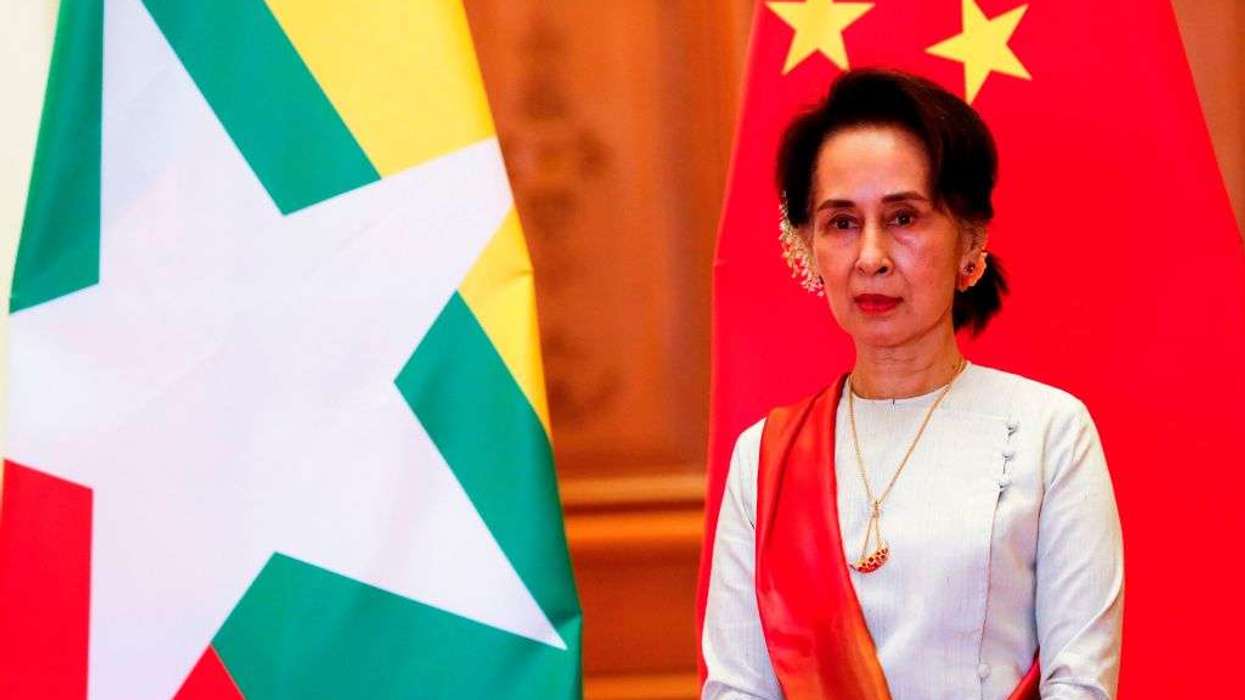 FILE PHOTO: Aung San Suu Kyi (Photo by NYEIN CHAN NAING/POOL/AFP via Getty Images)
The court said evidence pointed to about 10,000 deaths during the so-called clearance operations. Rohingya villages were systematically destroyed and replaced with people from outside the community, it said.
Judges concluded that the only reasonable inference from the evidence was that Myanmar intended to destroy the Rohingya population, meeting the legal threshold for genocide.
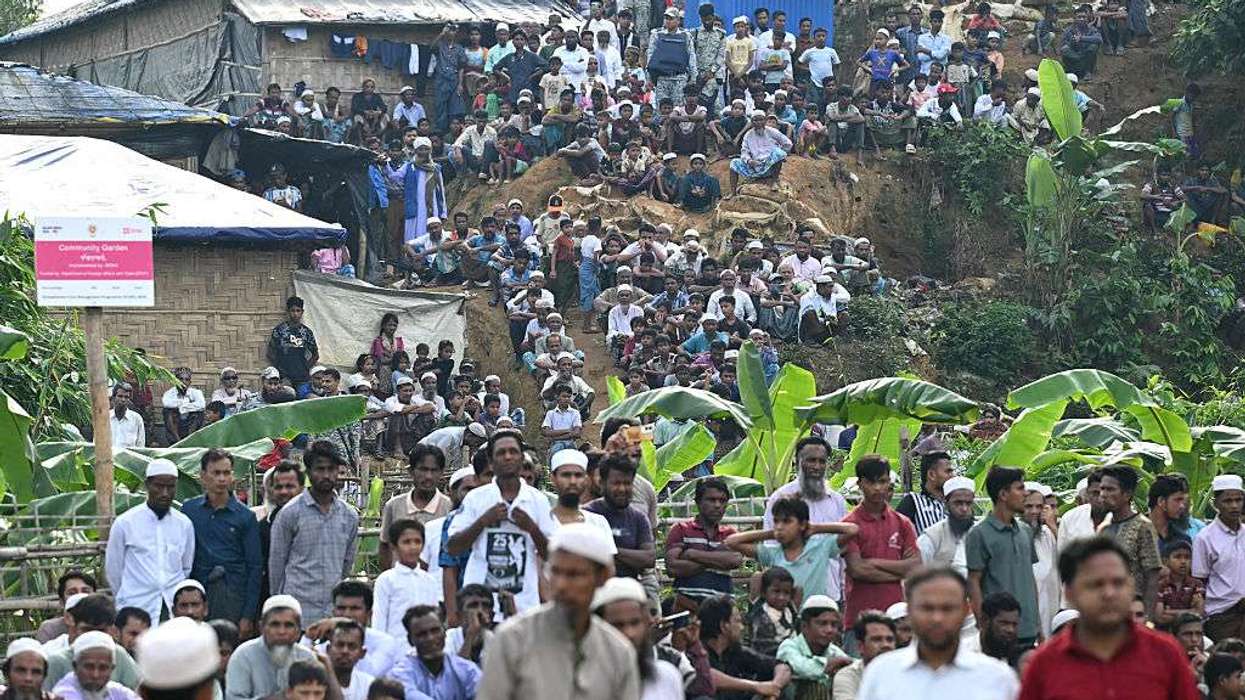
Hundreds of thousands of Rohingya fled across the border into Bangladesh during the crackdown. More than one million refugees now live in camps in Cox's Bazar.
Refugees welcome verdict
The court ordered Myanmar to facilitate the safe, voluntary and dignified return of refugees to their places of residence. It also directed the country to investigate and punish those suspected of genocide and provide compensation, with the amount to be determined later.
The verdict was welcomed by Rohingya refugees who watched the proceedings on a giant screen in Cox's Bazar.
Mohammed Osman, 20, whose parents and four siblings were killed by Myanmar's military, said the judgment had vindicated the community's accounts of the violence.
“We were not lying about the genocide,” he said. “I am overwhelmed ... But we have achieved only 50 per cent of what we wanted. We will achieve 100 per cent when we are repatriated with dignity.”
Gambian Justice Minister Dawda Jallow, whose country brought the case in 2019, described the ruling as a victory for the Rohingya.
“They survived. They testified. And today, they will believe,” he said.
UN secretary general Antonio Guterres urged Myanmar to allow Rohingya refugees to return home, while Gambian president Adama Barrow called the decision a “historic day for international justice”.
International pressure
The ruling could complicate the diplomatic efforts of Myanmar's leader Min Aung Hlaing, who commanded the military during the crackdown before ousting the elected government of Aung San Suu Kyi in a 2021 coup.
Min Aung Hlaing was installed as civilian president this year following elections widely criticised as restricted. He has since sought international recognition for his administration.
Britain said it would expel Myanmar's defence attache, while calling for accountability for the crimes. China, a key partner of Myanmar, raised concerns about judicial overreach. The US urged caution, warning against the politicisation of the court.
The case was brought by The Gambia under the 1948 UN Genocide Convention, which allows countries to take legal action against other states over alleged breaches of the treaty.
Although ICJ decisions are binding and cannot be appealed, the court has no enforcement mechanism, leaving questions over whether Myanmar will comply with the orders.
The verdict is also being closely watched for its implications for other genocide cases before the ICJ, including South Africa's case against Israel over its military operations in Gaza.
The Human Rights Watch said the ruling provided an important precedent for victims of genocide and other grave crimes seeking justice.
(with inputs from AFP)