
Highlights
- Two volumes of Mughal calligraphy have been temporarily blocked from export.
- The collection includes works by calligraphers from Akbar's royal court.
- UK institutions have until February 15, 2027, to seek to acquire the volumes for £900,000.
A RARE collection of Mughal calligraphy dating to the reigns of Emperors Akbar and Jahangir in 16th- and 17th-century India has been temporarily blocked from export, giving UK institutions time to raise funds to acquire the volumes.
Earlier this week, the British government imposed a temporary export ban on the two volumes to keep them “accessible to the UK public”.
The works, believed to be more than 400 years old, comprise 29 leaves with gold decorations featuring plant and animal motifs.
“Calligraphy of this quality and from such prestigious calligraphers is extraordinarily rare. These sheets hold secrets that researchers are desperate to unlock,” said heritage minister Baroness Twycross.
“Keeping these volumes in the UK, where the public and researchers can access them, will create a perfect opportunity to discover more about how they were created and the vital role they played in the history of diplomacy,” she said.
Works by royal calligraphers
The two volumes include works by leading royal calligraphers, including Muhammad Hussain Kashmiri, Emperor Akbar’s pre-eminent calligrapher, known for the intricacy and detail of his work. They also contain pieces by the celebrated calligrapher Abd al-Rahim al-Haravi.
The minister’s decision followed a recommendation from the Reviewing Committee on the Export of Works of Art and Objects of Cultural Interest (RCEWA).
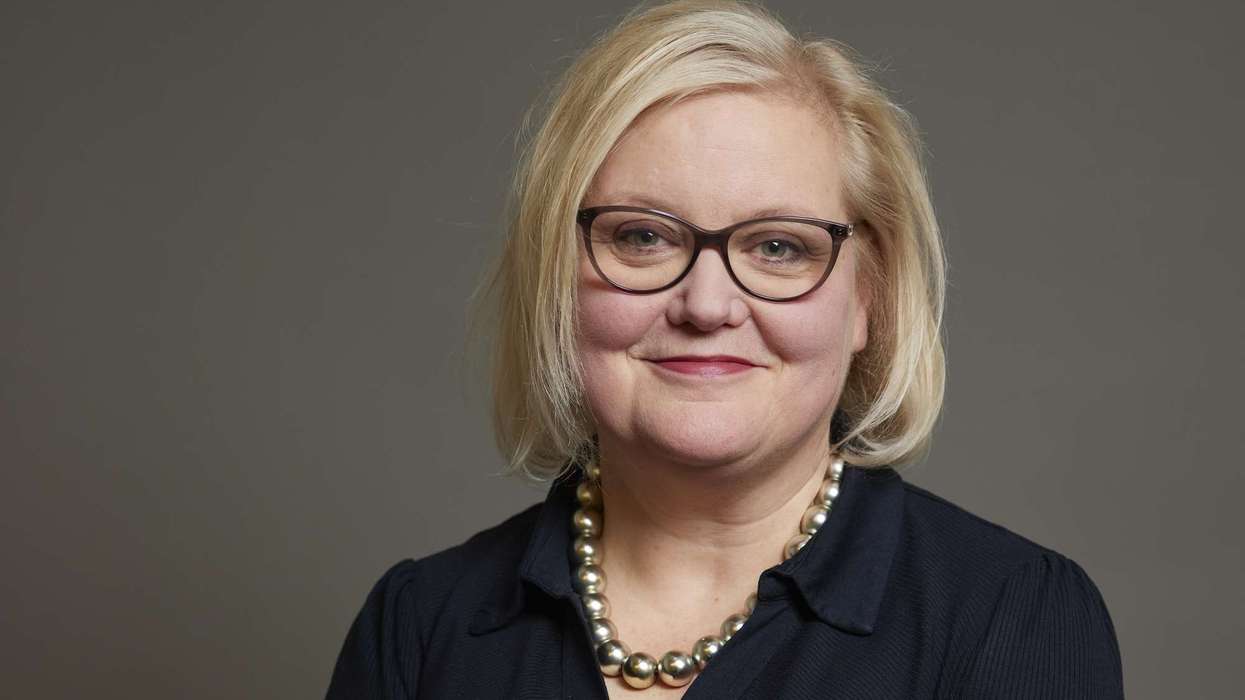
“The sublimely beautiful leaves in these two volumes were created by the most outstanding imperial calligraphers and illustrators of the Mughal court,” said Caroline Shenton, a member of the committee.
“There is much still to be discovered about the techniques used in their production, and the subsequent history of their dispersal and rebinding (including their relationship to similar folios now in the Royal Collection), which may only be undertaken if the physical volumes remain in this country for research.
“I therefore very much hope that a UK institution will step forward to ensure that they are not lost to the nation and to scholarship,” she said.
The committee said retaining the volumes in the UK would allow researchers to study how such calligraphic collections were assembled and developed. Given the few surviving works of this kind, it said preserving the volumes in the country was particularly important.
Collection dates to late 16th century
The volumes were assembled from a larger imperial album of calligraphic specimens dating to around 1595-1605. The original album is believed to have been prepared for Mughal Emperor Akbar or his son Prince Salim at a royal workshop in Lahore or Agra.
The original was dismantled before 1728. The two volumes together contain 29 folios featuring calligraphic specimens and one drawing, with each folio decorated with illuminated margins.
The RCEWA recommended a temporary export ban on the grounds of the volumes’ aesthetic importance and their significance to the study of Mughal royal calligraphers, their workshop practices and their role in diplomacy and international relations.
The export licence decision has been deferred until February 15, 2027, to allow UK institutions or potential buyers to express interest in acquiring the collection.
At the end of the initial deferral period, the owners will have 15 business days to consider offers at the recommended price of £900,000.
A second deferral period of four months will follow the signing of an option agreement.
The RCEWA is an independent body supported by Arts Council England. It advises the secretary of state for digital, culture, media and sport on whether cultural objects proposed for export are of national importance under specified criteria.
(PTI)