Highlights
- Starmer vows to prove “doubters” wrong after Labour’s election losses
- Labour faces growing pressure following setbacks in local polls
- MPs discuss leadership challenge as Starmer promises bolder action
- Starmer attacks Nigel Farage and warns Britain faces a “dark path”
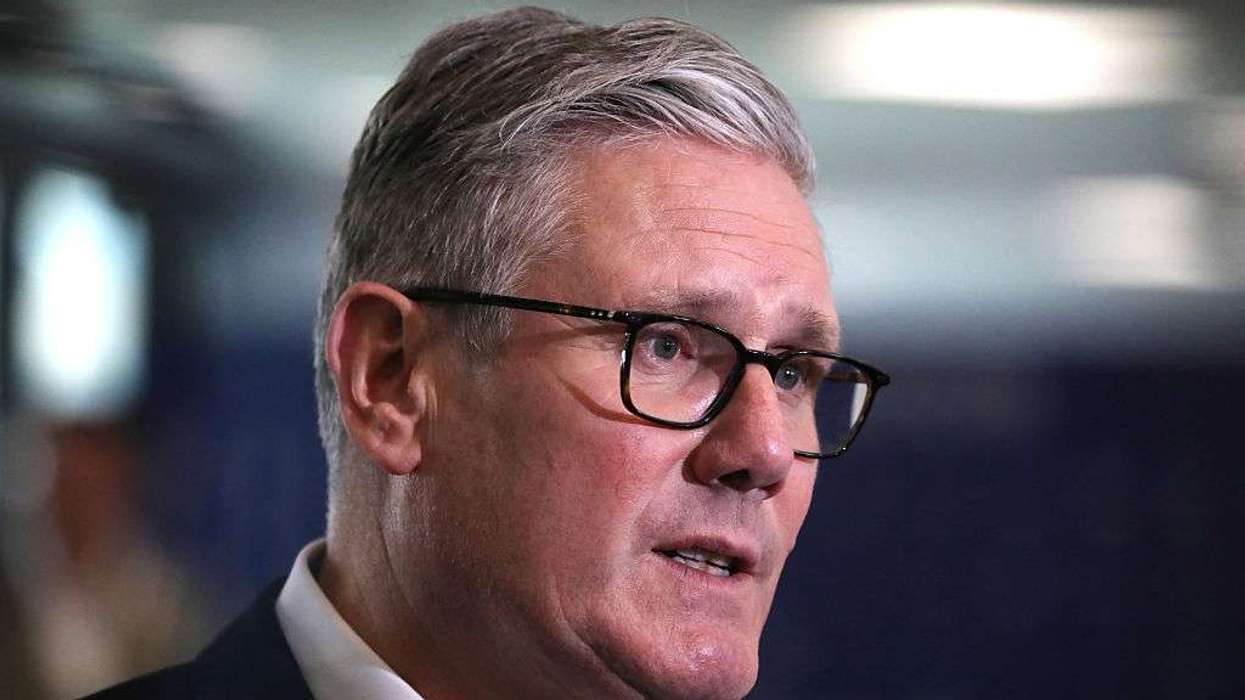
EMBATTLED prime minister Keir Starmer on Monday vowed to prove his "doubters" wrong as he tried to contain growing pressure on his leadership following heavy election losses for Labour.
In a speech in central London, Starmer said Labour would become "better" and take a bolder approach as he sought support from party lawmakers after local election setbacks.
"I know that people are frustrated by the state of Britain, frustrated by politics, and some people frustrated with me," Starmer said.
"I know I have my doubters, and I know I need to prove them wrong, and I will," added Starmer, who brought Labour back to power in 2024 after 14 years of Conservative rule.
Starmer has faced criticism over a series of policy problems and controversy surrounding the appointment and later sacking of Peter Mandelson as UK ambassador to Washington after reports about Mandelson's links to sex offender Jeffrey Epstein.
ALSO READ: Starmer vows to fight on after Labour setbacks in England, Scotland and Wales
His government has also struggled to boost economic growth as people continue to face cost-of-living pressures, although Starmer has received praise for resisting US president Donald Trump over Iran.
Labour suffered major losses in local elections on Thursday, with gains made by Nigel Farage's Reform UK and the Greens at Labour's expense.
The party also lost control of the Welsh parliament for the first time and failed to gain ground against the Scottish National Party in Scotland's devolved parliament.
Although Starmer has indicated he wants to remain in power until 2034, several Labour lawmakers have openly suggested he should step down.
After Starmer's speech, Catherine West, who had earlier threatened to trigger a leadership challenge, said she was collecting names of Labour MPs who want Starmer to set a timetable for choosing a new leader in September.
Starmer said he would fight any attempt to remove him and warned Labour would "never be forgiven" if it repeated the "chaos" seen under the previous Conservative government, which had three prime ministers within four months in 2022.
A leadership contest could deepen divisions inside Labour as different groups in the party back rival candidates.
Under Labour Party rules, any challenger would need the support of 81 Labour MPs, or 20 per cent of Labour lawmakers in parliament, to trigger a contest.
There has been speculation that former deputy prime minister Angela Rayner and Health Minister Wes Streeting could challenge Starmer, although neither has broad support across the party.
Rayner, while not directly calling for Starmer to resign, said in a separate speech on Monday that "what we are doing isn't working, and it needs to change".
Andy Burnham, mayor of Greater Manchester, has also been mentioned as a possible contender, but he cannot currently stand because he is not an MP.
The lack of a clear successor could help Starmer remain in position, especially with the next general election not expected until 2029.
In his speech, Starmer admitted that "incremental change won't cut it" and promised "a bigger response" on economic growth, energy policy and closer ties with Europe.
He said his government would introduce legislation to fully nationalise British Steel and pledged to put Britain "at the heart of Europe", including through an "ambitious" youth experience scheme.
Starmer also attacked Farage, calling him a "chancer" and a "grifter".
"If we don't get this right our country will go down a very dark path," Starmer said.
He also criticised Farage's support for Brexit.
"He said it would make us richer. Wrong. It made us poorer," Starmer said. "He said it would make us more secure. Wrong again. It made us weaker."
Starmer is expected to outline more legislative plans in the King's Speech on Wednesday.
Separately, Starmer said it would be up to Labour's National Executive Committee to decide whether Burnham could contest any future parliamentary election.
Asked about Burnham after his speech, Starmer said: "Any future decision is for the NEC."
Some Labour MPs who want Starmer removed believe Burnham would be the strongest alternative.
Burnham left parliament in 2017 after becoming mayor of Greater Manchester and is currently unable to take part in any leadership contest because he is not an MP.
In January, Burnham was blocked from contesting a parliamentary seat after Labour's National Executive Committee voted 8-1 against the move, saying it would trigger an expensive mayoral by-election.
(With inputs from agencies)