
Highlights
- JLR production restart drives manufacturing PMI to 49.7, highest reading in a year.
- One-off boost from carmaker's supply chain masks underlying weak demand.
- Sector remains below growth threshold for 12th month as budget uncertainty looms.
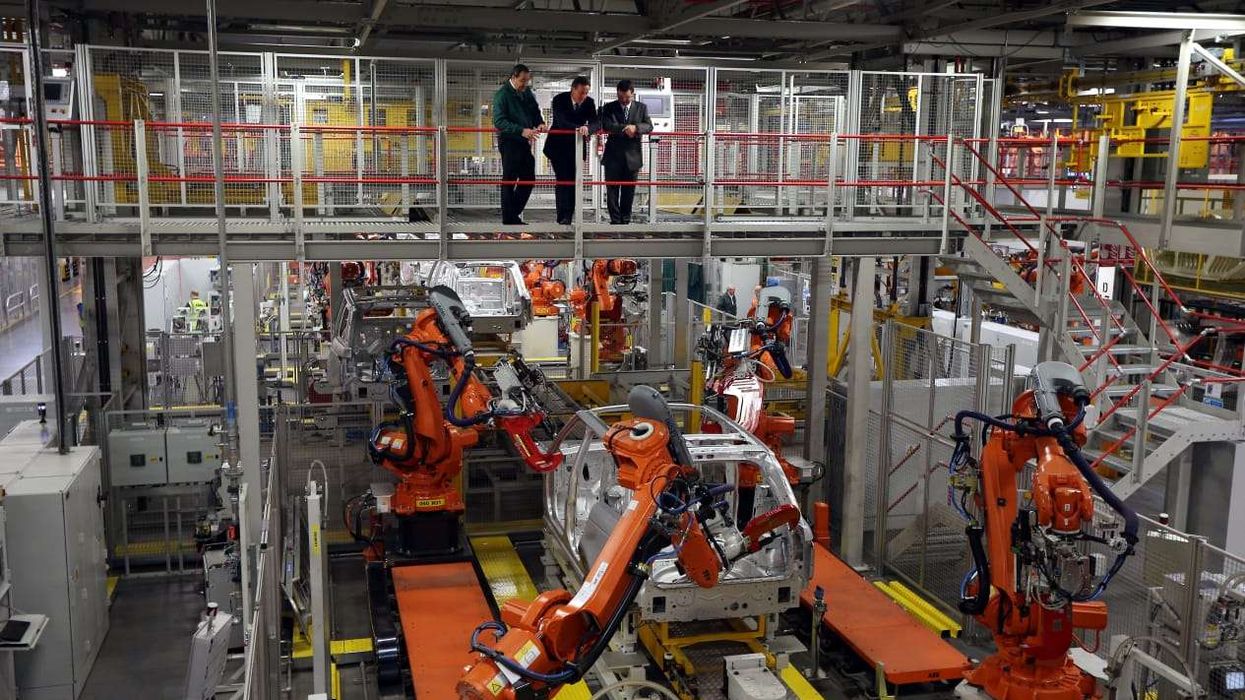
The S&P Global UK Manufacturing PMI climbed to 49.7 last month from September's 46.2, driven largely by JLR's gradual return to operations. The carmaker's reopening provided significant relief to intermediate goods producers in its supply chain, helping an output measure return to growth after months of decline.
However, the index remains marginally below the critical 50.0 threshold that separates expansion from contraction, marking the 13th consecutive month the sector has struggled. Industry experts caution that the JLR-related bounce masks deeper problems facing British manufacturers.
"The JLR-linked bounce could prove short-lived due to sluggish demand at home and abroad," Rob Dobson, director at S&P Global Market Intelligence, told Reuters. He emphasized that companies are heavily reliant on working through backlogs from previous orders rather than securing fresh business.
Underlying woes persist
The underlying challenges are stark. September saw production fall for the 11th successive month, with new orders declining at one of the sharpest rates in two years.
Export business suffered particularly steep drops, with weakening demand from the US, EU, Middle East, and Asia. Manufacturers blamed subdued client confidence, US tariff uncertainty, and elevated operational costs for energy and staff.
Adding to the uncertainty, companies are anxiously awaiting finance minister Rachel Reeves' budget announcement on November 26.
"Manufacturers seem to be stuck in a holding pattern until the domestic policy and geopolitical backdrops exhibit greater clarity," Dobson said. The manufacturing sector accounts for approximately 9 per cent of Britain's total economic output.