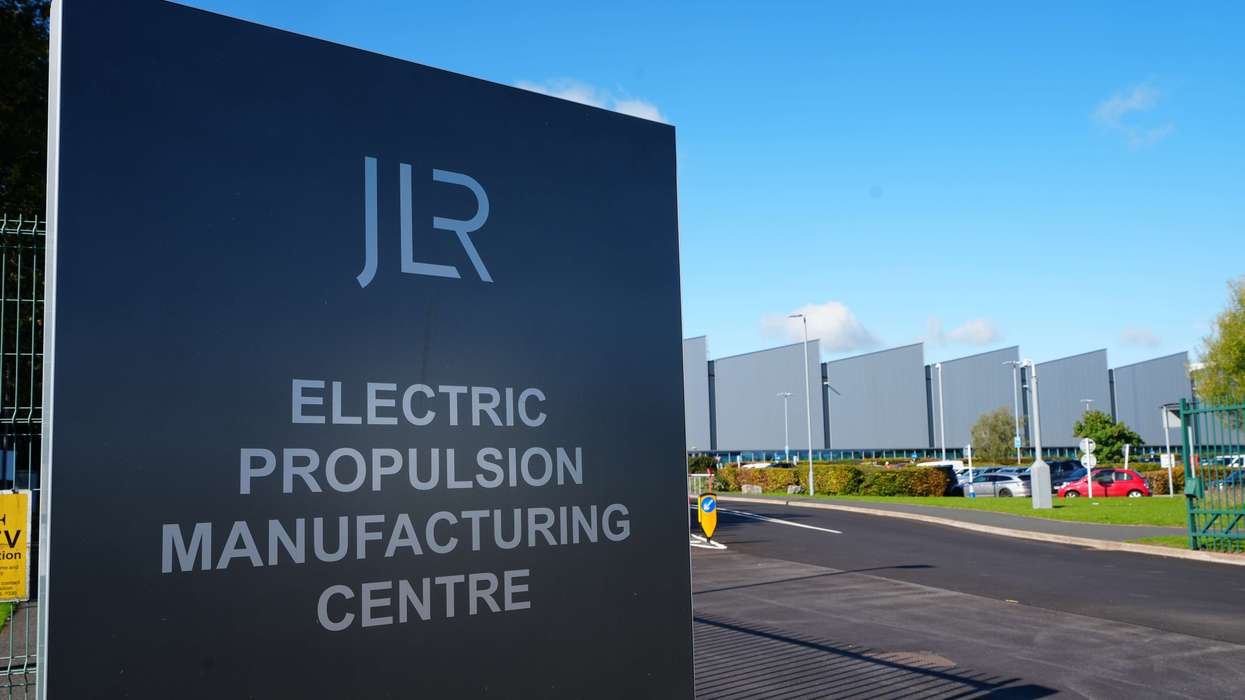

THE government will back Jaguar Land Rover with a £1.5 billion ($2bn) loan guarantee to help support its supply chain in the wake of the luxury carmaker's production shutdown following a cyberattack.
Jaguar Land Rover's shutdown has lasted nearly a month, and the government had been exploring options to support the company and its supply chain, with some small suppliers saying they had one week left at most before they ran out of cash.
The carmaker, which is owned by India's Tata Motors, has three factories that together produce about 1,000 cars per day, and sustain many jobs in the area around Birmingham, Britain's second biggest city, and the northern city of Liverpool. A survey on Friday (26) showed that some firms were reducing staff hours or making redundancies.
Business secretary Peter Kyle said the cyberattack was "not only an assault on an iconic British brand, but on our world-leading automotive sector."
"This loan guarantee will help support the supply chain and protect skilled jobs," he said.
The business ministry said the loan would be privately financed and guaranteed by Britain's export credit agency UK Export Finance, and was expected to unlock £1.5bn of support for the carmaker's supply chain.
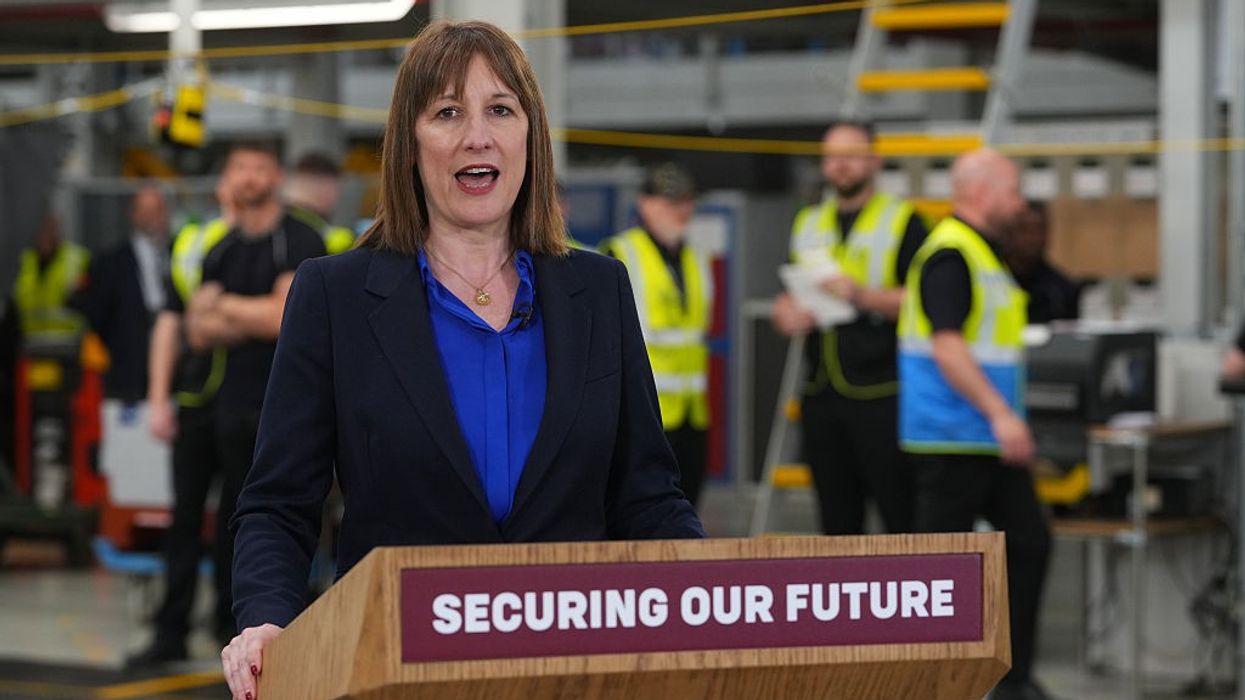
“Jaguar Land Rover is an iconic British company, employing tens of thousands of people – a jewel in the crown of our economy. We are safeguarding thousands of those jobs with up to £1.5bn in additional private finance, supporting its supply chain and helping to protect a vital part of the British car industry,” said chancellor Rachel Reeves.
The announcement follows a recent visit by Kyle and industry minister Sarah Jones to JLR’s headquarters in Gaydon, West Midlands, as well as a tour of its sunroof supplier Webasto, where they met senior leaders and staff.
“With major plants in Solihull and Wolverhampton in the West Midlands, and in Halewood, Merseyside, JLR is one of the UK’s largest exporters and a key employer, with 34,000 people working across its UK operations,” the Department for Business and Trade (DBT) said.
“It also maintains the largest supply chain in the UK automotive sector, much of it comprised of SMEs, supporting around 120,000 additional jobs.”
The department confirmed it remains in daily contact with JLR and cybersecurity experts to address ongoing concerns and provide support as the company works to resume full production, which is not expected before next month.
In a statement, JLR said it is working to clear the backlog of supplier payments by boosting its invoice processing capacity.
“As part of the controlled, phased restart of our operations, we have informed colleagues, suppliers and retail partners that parts of our digital infrastructure are now operational,” the company said. “Our recovery programme is well underway. We have significantly increased IT processing capabilities and are working to clear outstanding payments to suppliers as quickly as possible.”
(Agencies)