
- Ryanair says summer air fares are now expected to remain flat instead of rising.
- The airline warned soaring jet fuel prices linked to the Iran conflict could raise costs in 2026-27.
- Shares fell after the carrier declined to give profit guidance for the current financial year.
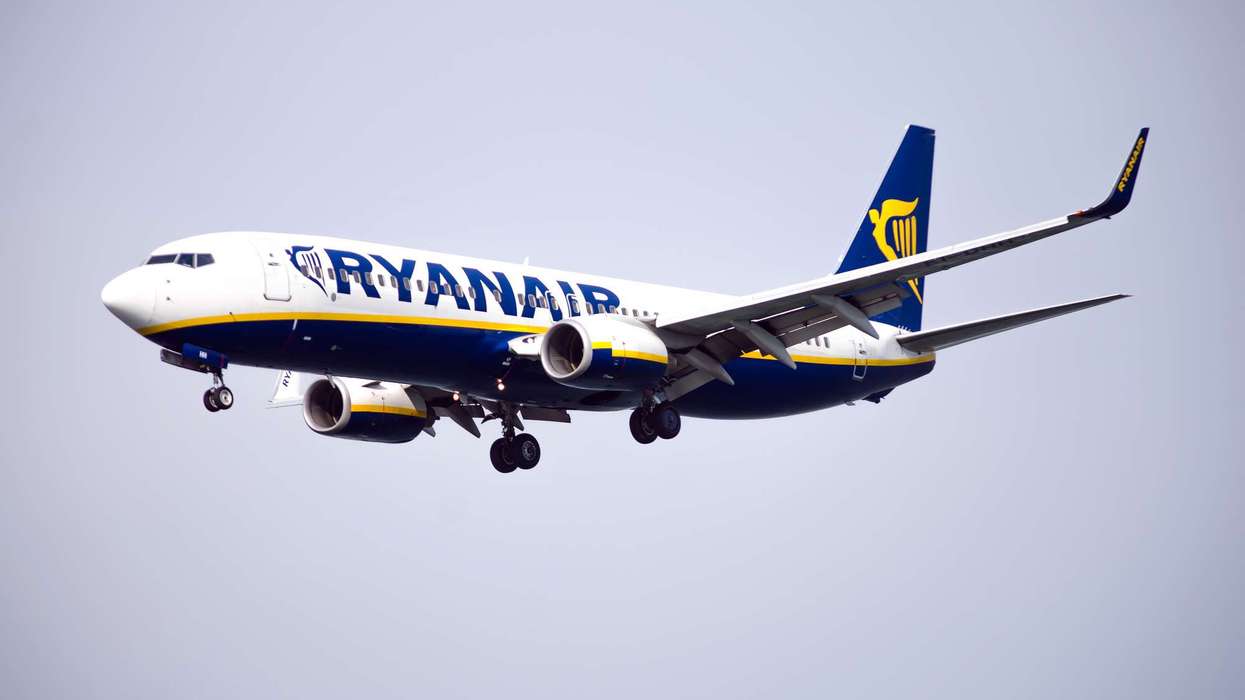
Europe’s largest airline by passenger numbers, Ryanair, has warned that rising fuel costs and economic uncertainty linked to the Iran conflict are beginning to weigh on consumer demand, forcing the carrier to scale back expectations for summer fare growth.
The Irish budget airline said ticket pricing for the crucial July-to-September travel period had weakened in recent weeks, with fares now expected to remain “broadly flat” instead of recording the low single-digit growth it had forecast earlier. The update came as airlines across Europe continue to monitor disruption in global oil and jet fuel markets following the effective closure of the Strait of Hormuz during the Middle East conflict.
Ryanair said concerns around higher oil prices, possible fuel shortages and the wider risk of inflation hurting household spending were making travellers more cautious about booking holidays. The airline also pointed to a growing trend of passengers booking flights much later than usual, adding more uncertainty ahead of the peak summer season.
Fuel markets unsettle airline outlook
In its annual results for the year ending March 2026, Ryanair said global jet fuel spot prices had surged above £110 per barrel (around $150), significantly higher than levels seen before the conflict. While the airline stressed Europe remained relatively well supplied with fuel through imports from West Africa, Norway and the Americas, it admitted the market had become increasingly volatile.
Chief executive Michael O'Leary reportedly said Europe’s airlines had been forced to source fuel from alternative regions to offset disruption caused by the Strait of Hormuz situation.
The carrier said 80 per cent of its fuel requirements for the current financial year had already been hedged at around £49 per barrel (about $67), helping shield earnings from sudden spikes in oil prices. However, the remaining 20 per cent of unhedged fuel exposure could still push overall costs higher if current market prices continue.
Ryanair warned that if fuel markets remain elevated, operating costs in 2026-27 could rise by a mid-single digit percentage. The airline added that the lack of visibility around fuel prices and consumer demand meant it was “far too early” to issue meaningful profit guidance for the current year, as quoted in a news report.
Strong profits fail to calm investor nerves
Despite the caution around future trading, Ryanair reported strong financial results for the year to March 2026. After-tax profits rose 40 per cent to £1.97 billion (€2.26 billion), slightly ahead of analyst expectations, while pre-tax profits climbed 36 per cent to £2.11 billion (€2.42 billion).
Passenger growth remained strong as well. The airline said it expects to carry 216 million passengers in the current financial year, marking another 4 per cent increase after recording similar growth the previous year.
Still, investors appeared more focused on the uncertain outlook than the strong earnings performance. Ryanair shares fell around 4 per cent in early trading, while other European airline stocks also slipped. Shares in International Consolidated Airlines Group, the parent company of British Airways, traded lower alongside easyJet and Wizz Air.
Analysts said the weaker fare outlook could put pressure on earnings expectations across the airline sector, especially if fuel prices stay high during the busy summer period.
Ryanair also confirmed that discussions over extending Mr O’Leary’s contract until 2032 were close to being finalised. The proposed deal reportedly includes share options linked to ambitious profit and share price targets.