
Highlights
- £1.9 billion total economic impact UK’s most costly cyber incident, with losses ranging between £1.6bn-£2.1bn.
- 5,000 UK businesses affected supply chain disruption cascaded through multiple tiers of suppliers and dealerships.
- Five-week production shutdown nearly 25,000 vehicles lost at £108m weekly cost to JLR’s UK operations.
Supply chain devastation
A cyber attack on Jaguar Land Rover in late August has become Britain’s most economically damaging digital security incident, costing the UK economy an estimated £1.9 billion, according to the Cyber Monitoring Centre.
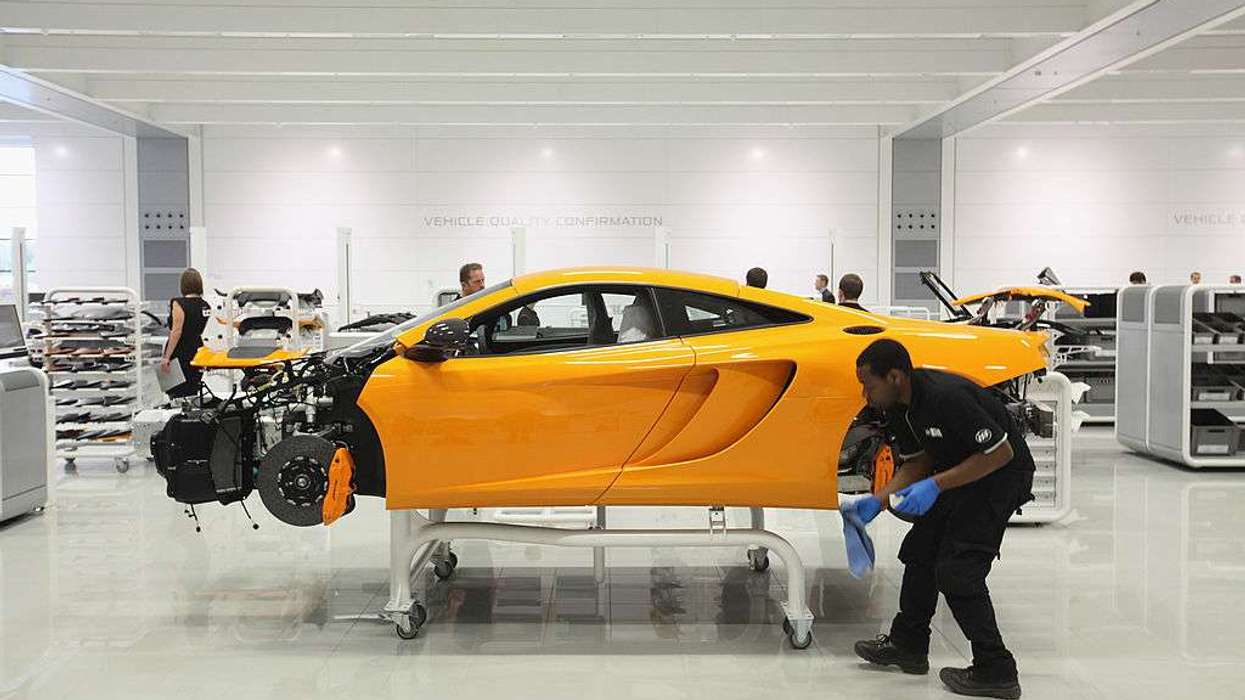
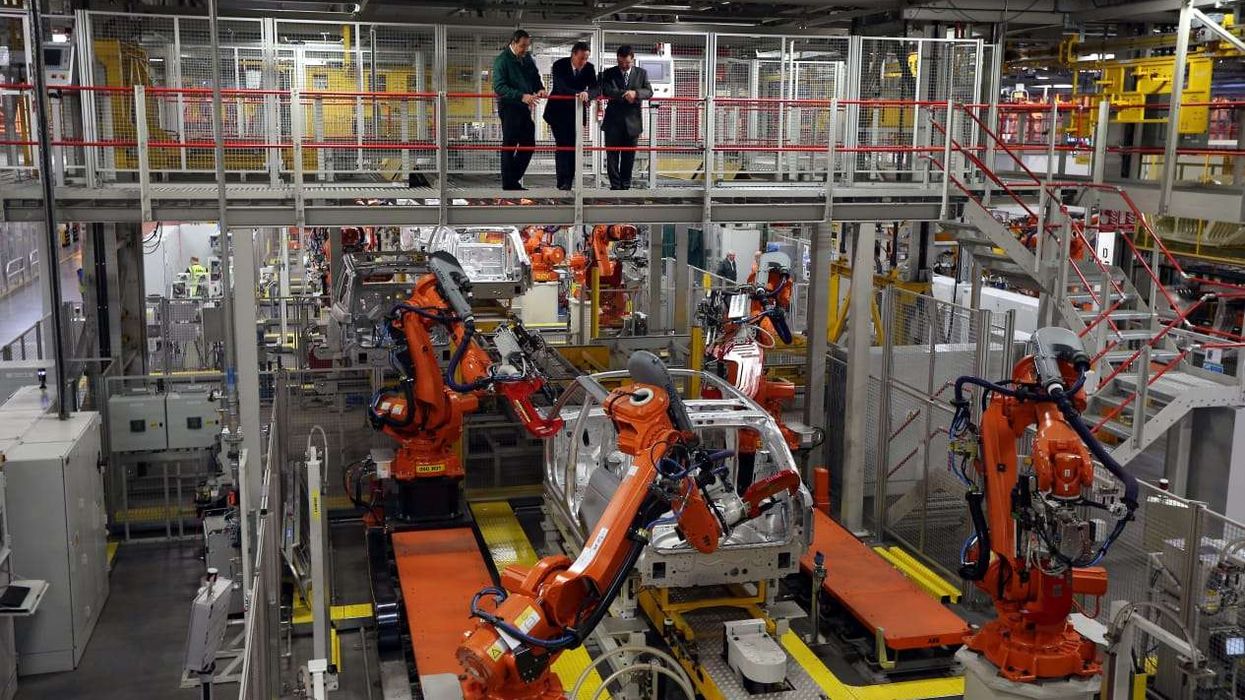
The malicious breach forced JLR to shut down manufacturing at its major UK plants in Solihull, Halewood, and Wolverhampton for approximately five weeks, halting production of nearly 5,000 vehicles weekly.
The incident has been classified as a Category 3 systemic event, affecting more than 5,000 UK organisations across the automotive supply chain.
The CMC's analysis reveals that JLR lost £108 million per week during the complete shutdown, with the vast majority of total losses stemming from halted manufacturing output.
The company announced a controlled, phased restart in early October, but experts predict full production won’t resume until early January 2026.
The ripple effects have been severe for JLR’s network of nearly 1,000 tier-one suppliers and thousands of lower-tier suppliers. Many suppliers face critical cash flow challenges, with at least one company director taking out a personally backed loan to keep operations afloat. JLR has responded by clearing outstanding invoices and prepaying qualifying suppliers.
Dealerships experienced intermittent system outages affecting ordering, servicing, and parts operations.
Extended delivery delays have been reported, though brand loyalty appears to be preventing mass cancellations. Logistics providers and exporters also suffered as vehicle shipments were delayed.
Job security concerns
The human cost extends beyond finances. Automotive suppliers have implemented pay cuts, hour banking, and redundancies to survive.
The CMC warns these threats to job security can severely impact mental and physical wellbeing, particularly affecting communities dependent on automotive manufacturing.
The government has underwritten a £1.5 billion loan guarantee to provide JLR with liquidity, though analysts expect it won’t be fully utilised.
The CMC recommends businesses prioritise operational resilience and strengthen IT security boundaries to prevent similar incidents.