
- Elon Musk accuses OpenAI of abandoning its non-profit mission
- Trial could shape control, structure and future of one of AI’s biggest players
- Top tech figures, including Microsoft’s CEO, expected to testify
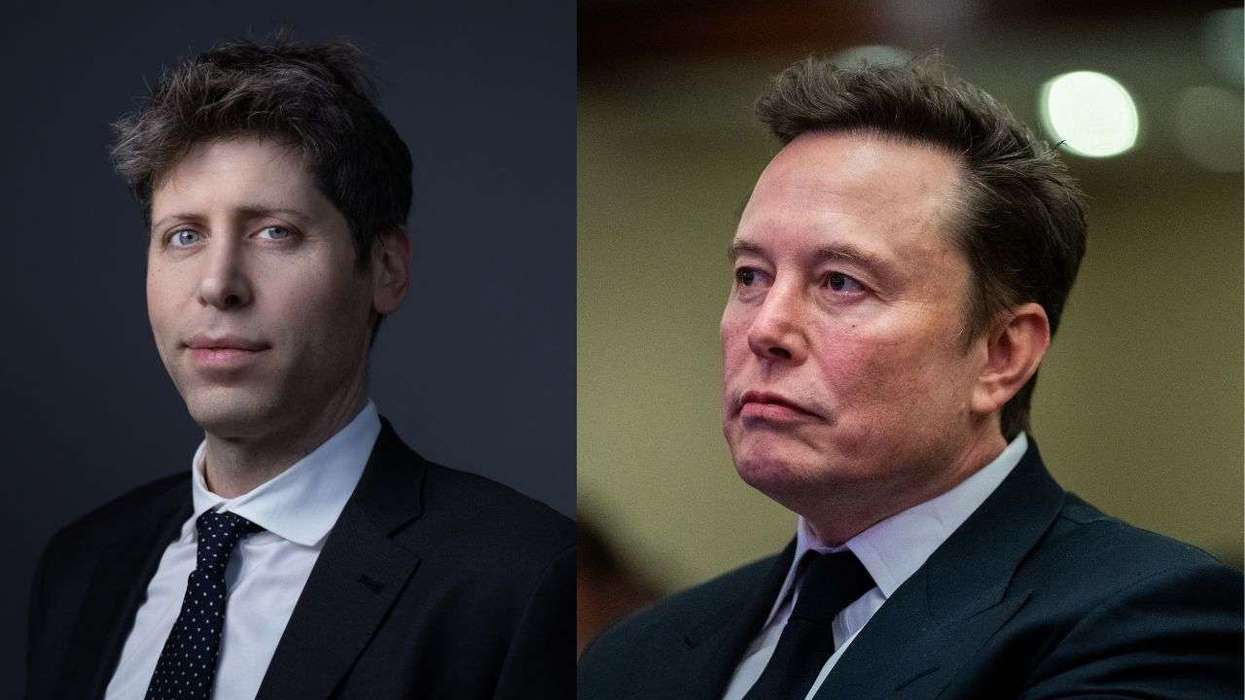
A long-running dispute between Elon Musk and Sam Altman has now reached a courtroom in California, setting the stage for one of the most closely watched trials in the tech world. The case, centred on the direction and control of OpenAI, begins with jury selection in Oakland and is expected to run for up to three weeks.
At its core, the lawsuit questions whether OpenAI drifted away from its original purpose. Musk claims the company he co-founded in 2015 as a non-profit has shifted into a profit-driven enterprise, breaching its founding principles. He has named Altman, OpenAI president Greg Brockman and major partner Microsoft in the case, accusing them of breach of contract and unjust enrichment.
From shared vision to courtroom battle
The origins of the dispute go back to OpenAI’s early days. Musk contributed around £30m ($38m) to the organisation, backing its mission to develop artificial intelligence for the benefit of humanity. According to the lawsuit, that funding came with an understanding that the work would remain open and not driven by profit.
Things began to unravel around 2017. Musk, reportedly frustrated with the pace of progress, attempted to take greater control of the company. When that did not materialise, he stepped away in 2018 and cut off further funding.
Since then, OpenAI has transformed. It launched ChatGPT, secured tens of billions in backing from Microsoft, and grew into one of the world’s most valuable private companies. It also restructured its core business into a for-profit model, while still being overseen by a non-profit entity — a move that now sits at the heart of the legal dispute.
Musk argues this shift fundamentally breaks the original agreement. He is seeking more than £107bn ($134bn) in damages, which he says should go to OpenAI’s non-profit arm, along with changes to the company’s structure and leadership.
A fight over mission, money and control
OpenAI has pushed back strongly. The company maintains that Musk was aware as early as 2017 that moving towards a for-profit structure would be necessary to fund large-scale AI development. It also disputes Musk’s claim over ownership, stating his contribution was a donation, not an investment.
In statements, the company has suggested Musk’s legal action is driven by frustration and rivalry, particularly as he now runs a competing AI venture. It has also claimed he previously sought full control of OpenAI and even explored merging it with his other businesses, an idea that was rejected.
The trial is expected to bring some of Silicon Valley’s most influential figures to the witness stand, including Musk, Altman and Satya Nadella. A federal judge had earlier described the case as “billionaires versus billionaires”, as quoted in a news report, underlining both the scale and the personalities involved.
What makes this case stand out is not just the money, but what it could mean for the future of AI. OpenAI is widely expected to go public later in 2026 at a valuation close to £800bn ($1tn). Any ruling that affects its structure or leadership could ripple across the industry.
For now, the courtroom becomes the arena where questions around purpose, profit and power in artificial intelligence are set to play out — with consequences that may extend well beyond one company.