
Highlights
- Islam projected to overtake Christianity as the largest religion by around 2035
- Birth rates, not conversion, drive the shift
- Hindus grow in number but fall to 13.6 per cent of the world by 2070
- Sikhs, Jains and other smaller faiths fall below 2 per cent combined
- Share of non-believers drops to 17 per cent, largely due to China's shrinking population
THE number of Hindus in the world will keep rising for decades, but their share of humanity is set to shrink, as higher birth rates push Islam past Christianity as the world's largest religion by around 2035, according to new projections from the Pew Research Center.
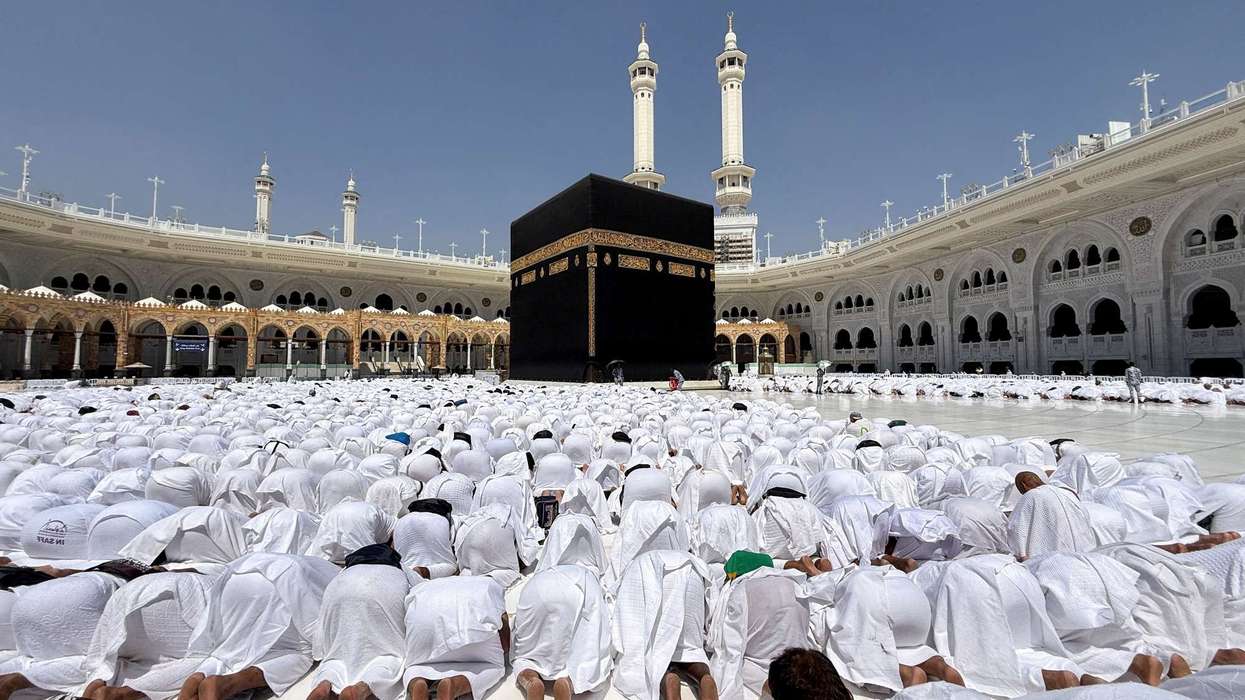
The Washington-based thinktank, which released its findings on Wednesday (18), projects 2.57 billion Muslims worldwide by 2035, narrowly ahead of 2.52 billion Christians. Christianity has been the world's largest faith for centuries.
The main driver is not conversion but birth rates. Pew senior demographer Conrad Hackett summed it up in an interview: "It's the babies."
Between 2020 and 2025, Muslim women had an average of 3.1 children, compared with 2.5 for Christian women. Across all other religious groups combined, the average was 1.6, below the 2.1 needed for a generation to replace itself.
What it means for Hindus
Pew projects that Hindus will continue to grow in absolute numbers but slip slightly as a proportion of the global population, to 13.6 per cent in 2070.
The sharpest relative change affects smaller religions. Sikhs, Jains, Baha'is, Daoists and followers of folk religions, counted together by Pew, are expected to grow modestly in number but fall below 2 per cent of the world's population by 2070.
Pew found that people leaving their religion would reduce both major faiths over time, but Christianity would be far more affected. Between 2020 and 2070, Islam is projected to lose a net 8 million adherents through switching, against 105 million for Christianity.
The gap between Muslim and Christian conversions to each other is small, and the projected growth of Islam does not come from Christians converting, according to Pew's findings as reported by Al Jazeera.
The long view to 2070
If current trends continue, there would be about 3.6 billion Muslims and 3 billion Christians by 2070. Muslims would make up 37 per cent of the world's population, up from 26 per cent in 2020, while Christians would stay at about 29 per cent.
The world's population is projected to grow by 29 per cent over that period. Only Islam (up 80 per cent) and Christianity (up 30 per cent) are expected to match or beat that pace.
Buddhists are projected to decline in both number and share, to 2.5 per cent of the world by 2070. Jews are expected to follow a similar pattern to Hindus, growing in number but falling slightly in share.
In a finding that runs against the trend in many western countries, the share of people with no religion is projected to fall from 24 per cent in 2020 to 17 per cent in 2070.
Non-religious populations are expected to grow in most countries. But those gains will be outweighed by China's shrinking population, which is home to most of the world's religiously unaffiliated people.
A shifting map
The geography of faith is also changing. By 2070, the Democratic Republic of Congo is projected to overtake the United States as the country with the most Christians. Christianity is expected to remain the largest religion in the US but no longer account for a majority.
The figures are projections, not forecasts of certainty. They assume recent trends in fertility, mortality and religious switching continue.
(with inputs from Reuters)