
Highlights
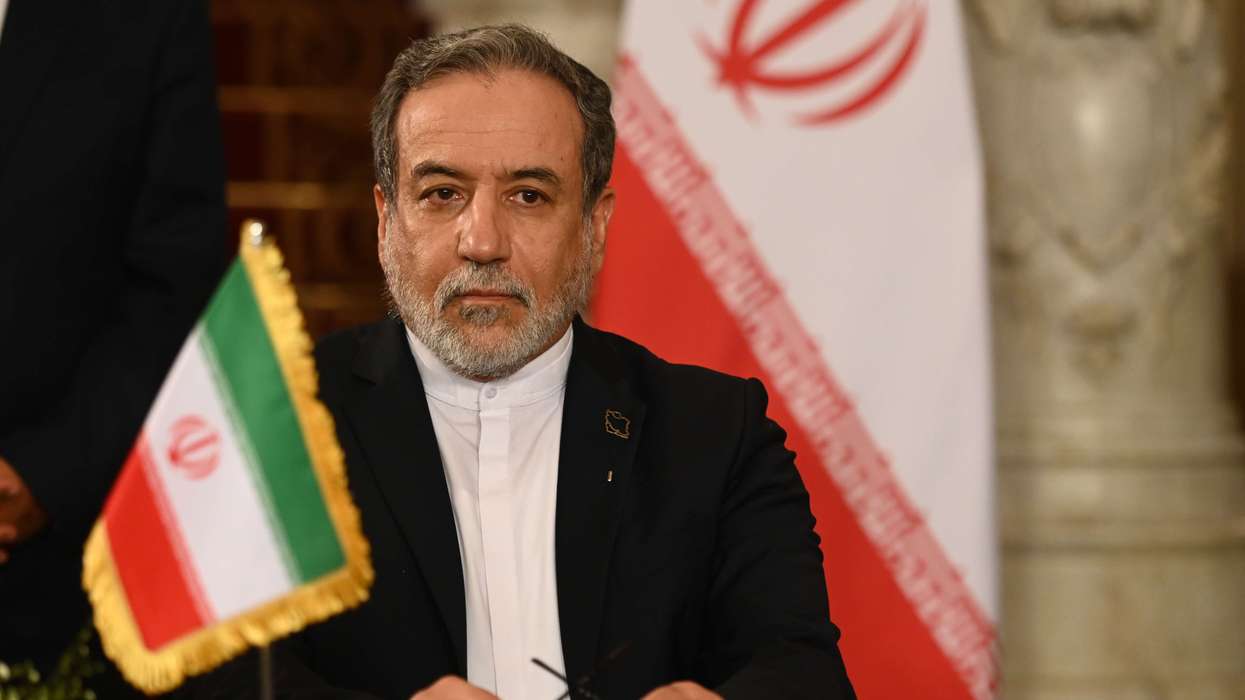
- Pakistani sources say Araqchi's visit could signal a return to US-Iran talks.
- The last scheduled round collapsed this week after Iran said it was not ready to commit.
- The Strait of Hormuz remains nearly shut, with only five ships crossing in 24 hours .
The last round of talks was due on Tuesday but never happened. Iran said it was not ready to show up, and the US team led by vice president JD Vance did not leave Washington either.
President Donald Trump then stepped in to extend a two-week ceasefire, buying more time for both sides to get back to the table.
US defense secretary Pete Hegseth said Iran still had a chance to reach a "good deal."
On Thursday, Israel and Lebanon extended their own ceasefire by three weeks at a White House meeting, something Iran has demanded as a condition for wider talks.
The Strait of Hormuz remains badly disrupted. Shipping data on Friday showed just five vessels crossed in 24 hours, compared to around 130 a day before the war began eight weeks ago.
Iran seized two large cargo ships in the strait this week, showing it still holds firm control there.
Trump has blocked Iranian ships separately, but Tehran says it will not reopen the strait until that blockade is lifted.