
AROUND 500 Indian students are among more than 20,000 international pupils seeking compensation from 36 UK universities in a class action legal case, claiming they did not receive the standard of education they paid for during the Covid pandemic.
Student Group Claim, which comprises around 170,000 potential claimants as part of the collective lawsuit, said a pre-action letter was issued to all 36 institutions, setting out the basis of the proposed claim.
The group, represented by law firms Asserson and Harcus Parker, said students are owed compensation because, while they paid for in-person teaching and access to facilities such as libraries and studios, their courses moved online and campuses were closed for extended periods during the pandemic.
Fees for online degree courses in the UK are typically 25 to 50 per cent lower than those for in-person courses. On this basis, the legal teams argue that universities should have passed on that difference in value to students during the pandemic.
Shimon Goldwater, partner at Asserson, said UK undergraduates had borrowed money at high interest rates to fund courses that were disrupted by online teaching and closed facilities. “Student Group Claim is helping students challenge universities to do what they should have done during Covid, pay students compensation for not providing them with the in-person teaching for which they paid,” he said.
Adam Zoubir, partner at Harcus Parker, said students, particularly those in the 2020- 2021 academic year, had received no compensation or tuition fee reductions.
“Instead, they have been saddled with debt from fees and costs for an educational experience that failed them. We are helping them seek fair financial compensation through the courts because this is perhaps the greatest injustice coming out of the pandemic,” he said.
The legal argument rests on English consumer law, under which a person who pays for a service but receives one of lower value is entitled to compensation – specifically, the difference between the market value of the service contracted for and that of the service provided.
The action comes after University College London (UCL) reached a confidential settlement with its own group of student claimants, without admitting liability.
UCL said it had followed government guidance throughout the lockdown and had put safety measures in place accordingly.
UCL president and provost Dr Michael Spence said, “UCL has never disputed the principle that individuals may seek legal remedies. Throughout the pandemic, we provided clear routes for students to seek redress, and many secured compensation through those established processes. ”
The group is inviting other students to come forward before the September deadline set under the UK’s Limitation Act. It said anyone who studied at a university during the pandemic, particularly in the 2020-2021 academic year, could be entitled to a claim.
Universities UK International, which represents 140 universities, acknowledged the difficulty of the period. A spokesperson said institutions had followed government guidance to adapt to a situation that changed rapidly.

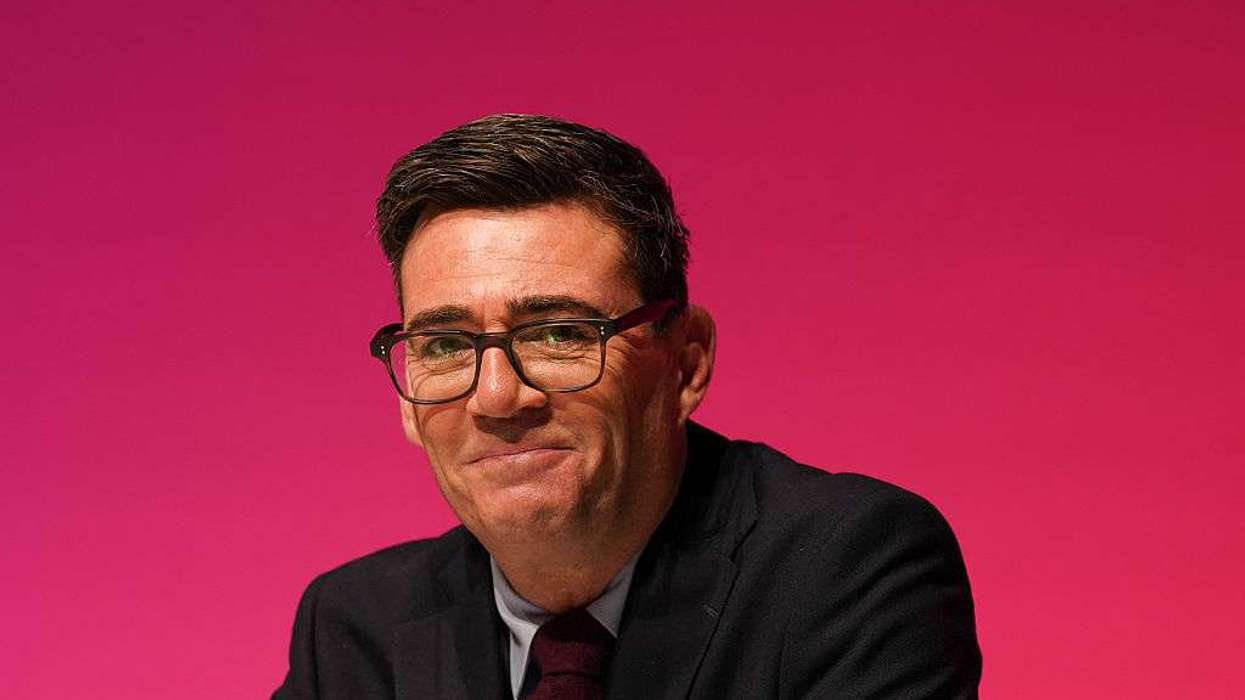 Andy Burnham attends the opening speeches on the first day of the Labour Party Conference at Liverpool Experience Campus on September 27, 2026 in Liverpool, England. (Photo by Ian Forsyth/Getty Images)
