
Highlights
- AI can find and exploit security holes automatically.
- Major banks testing it to spot their own weaknesses.
- No agreement yet on how to regulate the technology.
1) What Claude Mythos actually does
Claude Mythos is an AI system that finds security problems in computer software. But unlike regular security tools, it works completely on its own.
 The AI can even link these problems together, creating a complete roadmap for potential attacksGetty Images
Here's what makes it special: Mythos can scan through huge amounts of computer code, spot weak points, and figure out how hackers might use them. It doesn't need humans to tell it what to search for.
Anthropic, the company behind it, says Mythos has found thousands of serious security holes in popular operating systems, web browsers and business software. The AI can even link these problems together, creating a complete roadmap for potential attacks.
It's unusual for a tech company to keep its own product locked away. But the fear is simple: if this AI helps the wrong people, it could cause massive damage to banks and other critical systems.
2) Why finance chiefs held emergency talks
The IMF meetings in Washington this week were supposed to focus on war tensions and government debt. Instead, banking leaders spent significant time discussing one question: what if this AI gets misused?
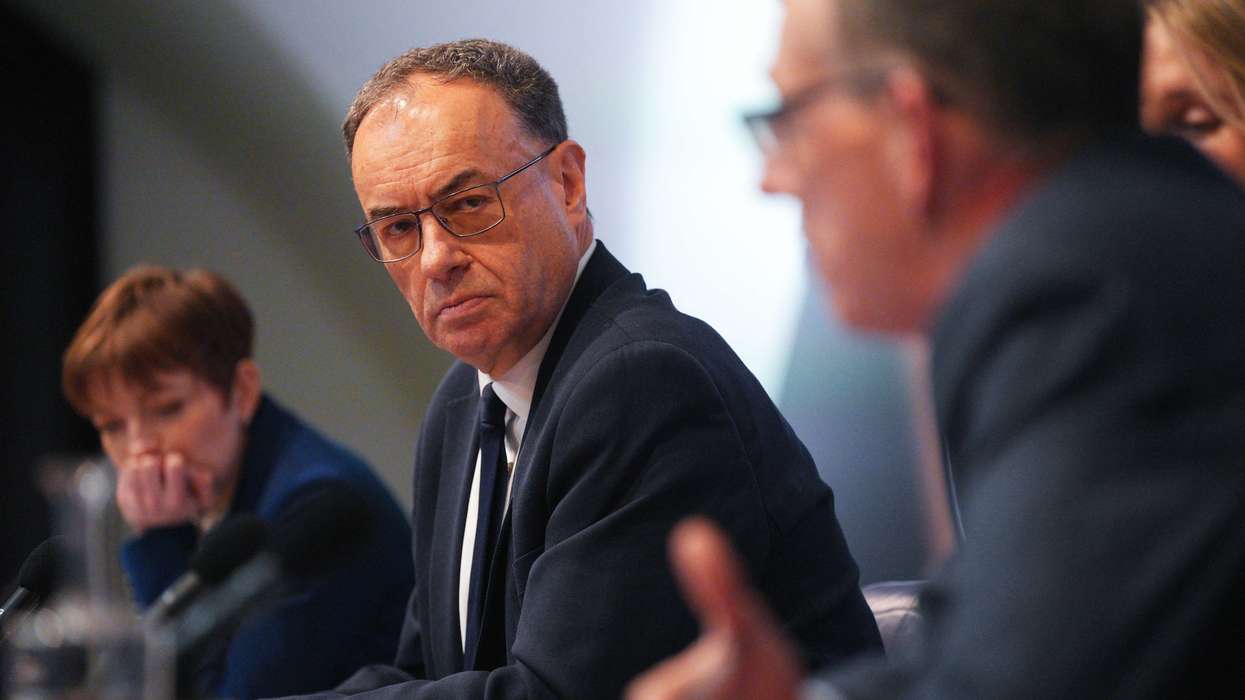 Bank of England governor Andrew Bailey described it as a "very serious challenge"Getty Images
Canadian finance minister François-Philippe Champagne called it an "unknown unknown". Unlike physical threats we can see and measure, this AI risk feels harder to grasp and prepare for.
Bank of England governor Andrew Bailey described it as a "very serious challenge". Christine Lagarde from the European Central Bank warned that even well-meaning technology could turn dangerous in the wrong hands.
The core worry is straightforward. Banks rely on computer systems. If someone uses Mythos to find holes in those systems, they could steal money, freeze transactions, or crash markets. And because the AI works fast, attacks could hit multiple banks at once.
US Treasury Secretary Scott Bessent called American bank bosses to Washington for urgent discussions.
3) What banks are doing to prepare
British banks will get early access to Mythos within the next few days. They're not getting it to attack others—they'll use it to find their own security problems first.
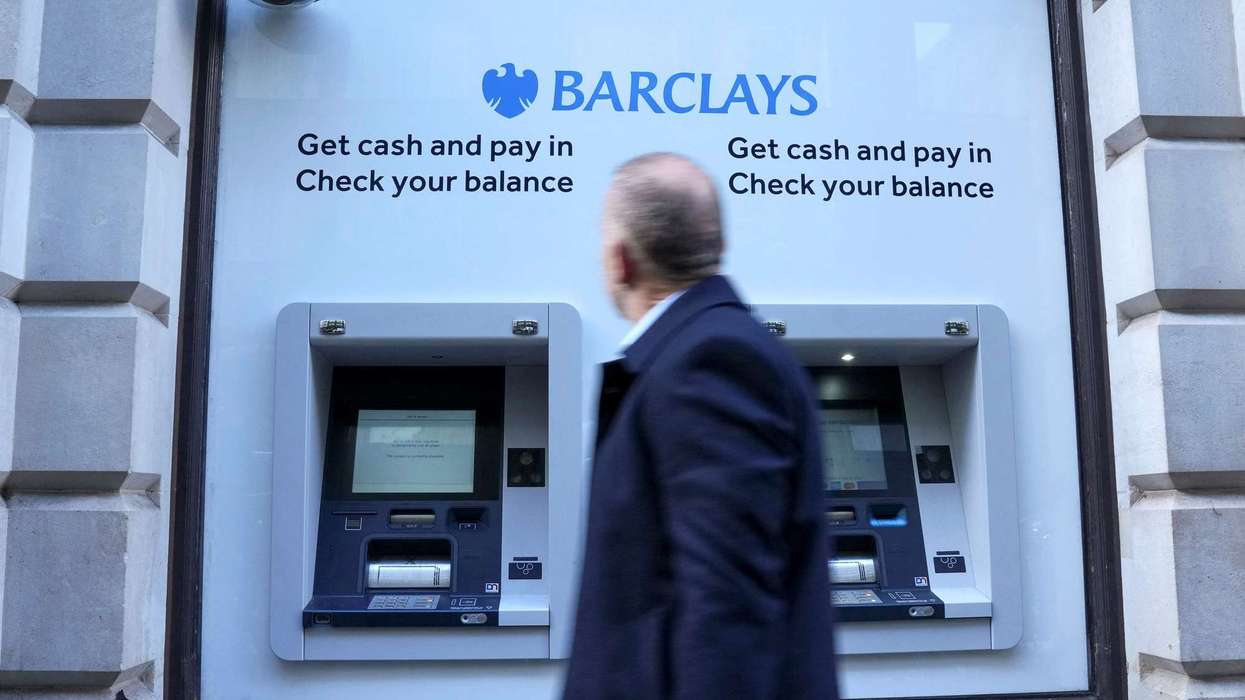 BoE checking if automated trading systems might all react the same way during a crisis, potentially making crashes worseGetty Images
Barclays CEO CS Venkatakrishnan told BBC that his team needs to "understand the vulnerabilities that are being exposed and fix them quickly".
JPMorgan Chase in America is already running tests. Their boss Jamie Dimon admitted the AI has found serious weaknesses they didn't know existed.
The Bank of England is also testing whether AI could cause market panic. They're checking if automated trading systems might all react the same way during a crisis, potentially making crashes worse.
4) The struggle over rules and regulation
Everyone agrees something must be done. But there's no consensus on what that should be.
Andrew Bailey put it simply: create rules too early and you might get them wrong or slow down useful innovation. Wait too long and things could spiral out of control before anyone can respond.
 Banks rely on computer systems. If someone uses Mythos to find holes in those systems, they could steal money, freeze transactions, or crash marketsGetty Images
Christine Lagarde pointed out there's no international system yet for managing these AI risks. Countries need to work together, but that's difficult when global tensions are already high.
The debate also touches on economics. AI has huge potential benefits for productivity and growth. Governments don't want to kill innovation with heavy-handed rules. But they also can't ignore genuine security threats.
5) More powerful AI tools are coming
 James Wise, who runs a £500 m UK government fund for AI companies, noted Mythos is just the startGetty Images
Mythos isn't the only concern on the horizon. Industry sources say another big American AI company plans to release a similar tool soon possibly without the same safety restrictions.
James Wise, who runs a £500 m UK government fund for AI companies, noted Mythos is just the start. More powerful models will follow. His team is investing in British companies working on AI security solutions.
There's also OpenAI testing something called GPT-5.4-Cyber with selected organisations. Like Mythos, it blurs the line between defensive and offensive cyber capabilities.
The hope is that AI which finds security problems can also help fix them. It becomes an arms race: AI-powered attacks versus AI-powered defences, each side getting more sophisticated.