
- The Bank of England has indicated it may accept inflation above its 2 per cent target for a period.
- Andrew Bailey warned that acting too aggressively could create unnecessary volatility.
- Inflation is expected to rise further as higher costs filter through the economy.
The Bank of England has signalled it is prepared to tolerate inflation above its 2 per cent target for a period, as policymakers try to balance rising prices against signs of weakness in the UK economy.
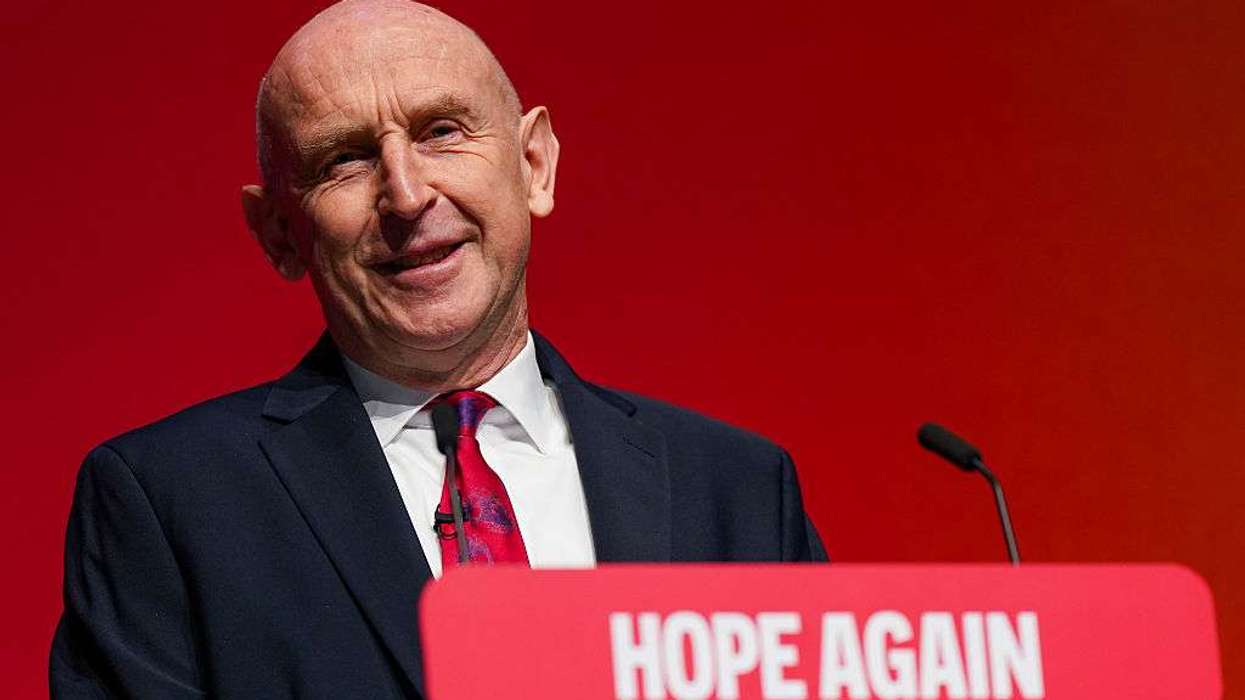
Speaking in Reykjavik, Iceland, Bank of England Governor Andrew Bailey suggested that bringing inflation back to target immediately may not be the best approach while businesses and households continue to face economic uncertainty.
The comments offer a clearer indication of how the central bank is approaching the difficult trade-off between controlling inflation and supporting economic activity. Inflation currently stands at 2.8 per cent, above the Bank's target rate, and is expected to rise further in the coming months.
A balancing act for policymakers
Bailey reportedly said responding too quickly to inflation risks could create "undesirable volatility" at a time when economic growth remains fragile.
He reportedly argued that allowing inflation to remain temporarily above target could help cushion the impact of wider economic pressures, particularly while uncertainty remains over how long current cost pressures will last.
"Given the context of softness in the real economy and uncertainty around the scale and duration of the shock, tolerating temporarily above target inflation to provide some support for the real economy is an appropriate way to approach the trade-off," Bailey reportedly said.
However, he also suggested that such flexibility would have limits.
According to Bailey, the Bank's tolerance for higher inflation would weaken if there were signs that rising prices were becoming more deeply embedded across the economy through wage demands or broader cost increases.
More pressure still to come
The remarks come only weeks after the Bank's Monetary Policy Committee voted to keep interest rates unchanged at 3.75 per cent, despite expectations that inflation will climb further this year.
Bailey reportedly warned that higher utility bills and rising business costs are likely to push inflation higher over the coming months as companies pass increased expenses through supply chains.
He also acknowledged that some inflationary pressures are beyond the reach of interest rate policy.
"There is nothing monetary policy can do to prevent higher energy prices from affecting businesses and households," Bailey reportedly said.
The Governor added that, as a net importer of energy, the UK faces a worsening terms-of-trade shock that could reduce real incomes while simultaneously pushing up inflation and weighing on economic activity.
For households and businesses, the message appears to be that inflation may remain above the Bank's target for longer than hoped. For policymakers, the challenge will be deciding how much inflation can be tolerated before stronger action becomes necessary.