
Highlights
- Air India Flight 171 crash in June 2025 killed 260 people, including Mohammad Shethwala’s wife and child.
- Home Office rejected his humanitarian visa, saying no exceptional circumstances.
- Critics condemned the decision, comparing it to the Windrush scandal.
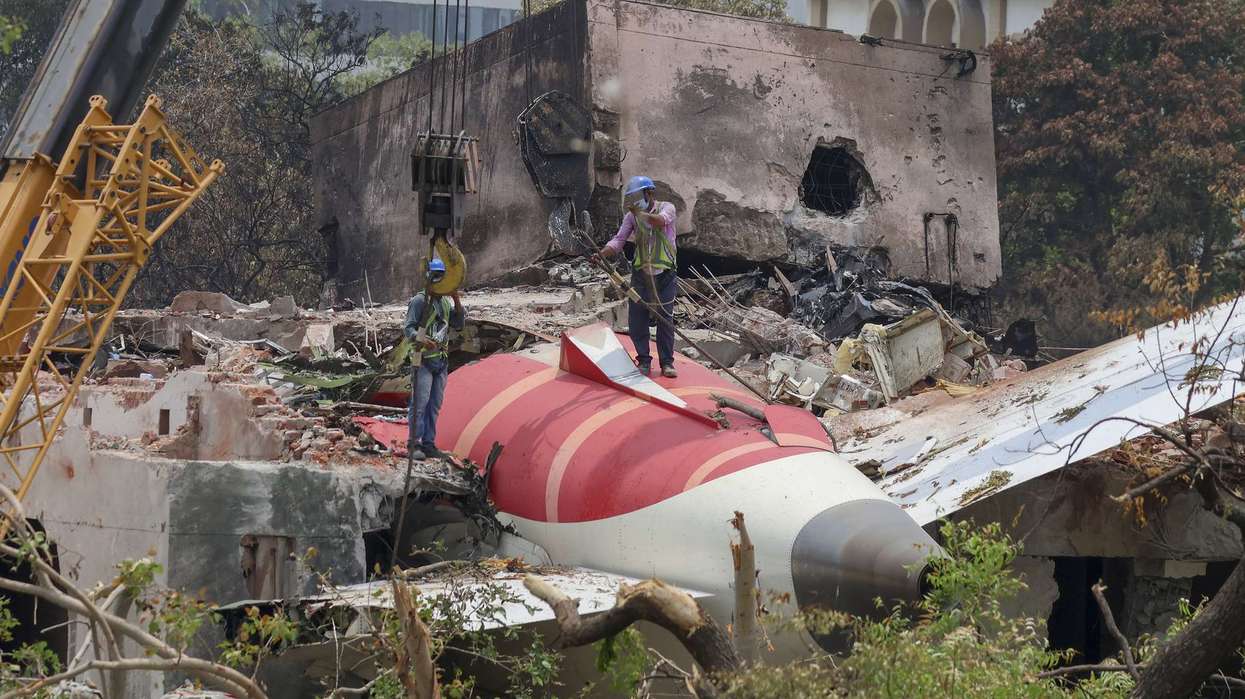
That future ended on 12 June 2025. The Ahmedabad-to-London Air India flight went down seconds after take-off, killing all 241 passengers and crew on board, as well as 19 people on the ground after the aircraft struck a medical college hostel building and caught fire.
Among the 260 dead were 169 Indian nationals, 53 British citizens and one Canadian. Sadikabanu and two-year-old Fatima were both on that flight.
Mohammad, who had been working in London as a delivery driver, lost his wife, his daughter and his legal right to remain in Britain.
His friend Musab Taherwala, speaking on his behalf, told reporters: "His wife was supposed to be the main applicant for a skilled worker visa. If his wife had survived, he would still be allowed in the UK.
If his daughter had survived, he would have been granted indefinite leave to remain when she turned seven, but she died as well."
Home Office says no
In December 2025, Mohammad applied for Further Leave to Remain on compassionate and humanitarian grounds.
His lawyers argued that his mental health had significantly deteriorated following the tragedy and that his support network, a close circle of friends in London, was essential to his recovery.
He had briefly returned to India after the crash but found it deeply difficult to cope, partly due to the scale of media coverage surrounding the disaster.
On the same day, Mohammad was placed on immigration bail, a status that bars him from working and prevents him from independently applying for a Skilled Worker visa.
Mohammad, who struggles to speak about what has happened, told Metro "I am not accepting this decision from the government. I'm not feeling well right now because of this."
Professor Patrick Vernon OBE drew a direct comparison with the Windrush scandal, saying Mohammad was being subjected to the same cruelty faced by that generation. "This is not just bureaucratic failure, it is a moral failure," he said.
"Britain must stop criminalising grief and start showing humanity , he added ".
The Home Office rejected his application on 9 April this year, ruling that his situation did not amount to exceptional circumstances. Officials argued that adequate mental health care and family support remained available to him in India.
His lawyers are now preparing a legal challenge, which will allow him to remain in the UK while the case proceeds through the courts.