
Highlights
- Modi described the India-UK Vision 2035 as the guiding framework for joint global efforts
- Jaishankar said India and the UK are "well positioned" to build a new, mutually beneficial partnership
- The two sides formally launched the India-UK Critical Minerals Global Supply Chain Observatory (GSCO)
- Cooper cited CETA and cooperation on critical minerals as key pillars of the partnership
INDIA's prime minister Narendra Modi said on Thursday (4) that India and the UK had unlocked "unprecedented growth opportunities" for both nations.
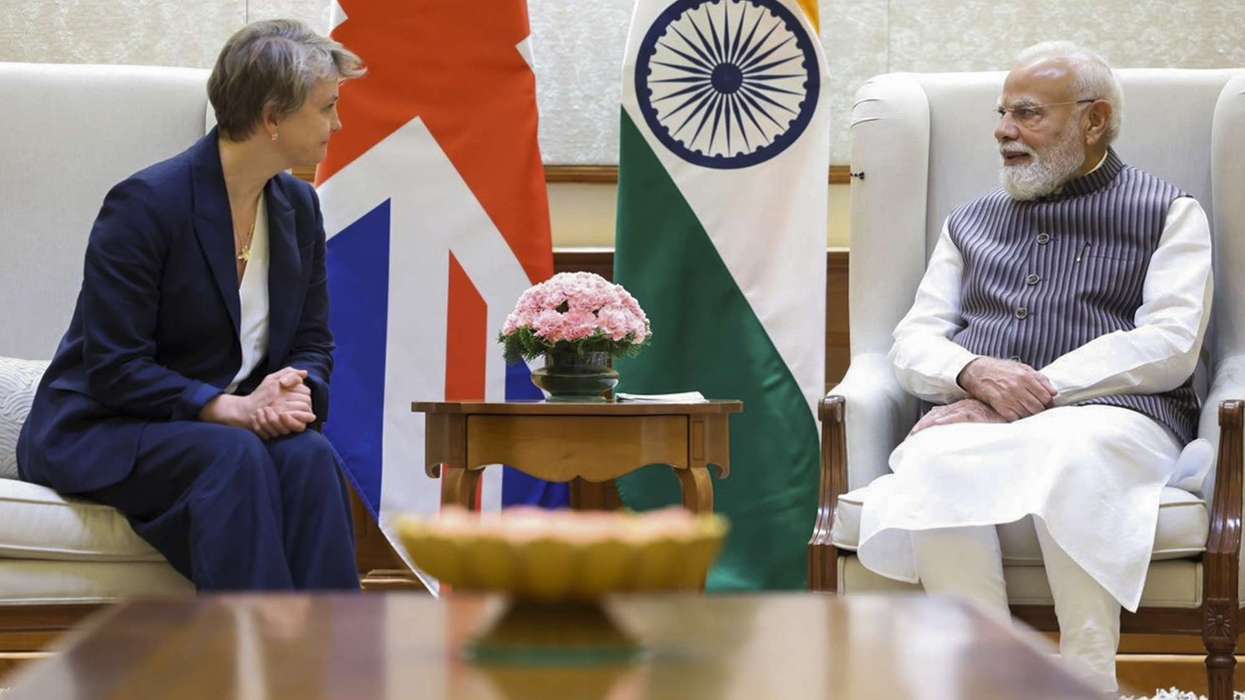
His remarks came after a meeting with foreign secretary Yvette Cooper, who held a packed round of talks in New Delhi that produced a new critical minerals partnership and reaffirmed the sweeping ambition of the bilateral relationship.
Modi said he was "pleased" with the deepening of ties in recent times. "India-UK Vision 2035 will continue to guide our partnership and strengthen our joint efforts for global good," he said in a post on X, accompanied by photographs of the two leaders together.
Cooper, who arrived in India on Wednesday (3), also met external affairs minister S Jaishankar.
The Indian minister said the past several months had brought "remarkable developments", pointing to Modi's visit to Britain last July and prime minister Keir Starmer's trip to India in October as twin moments of political momentum.
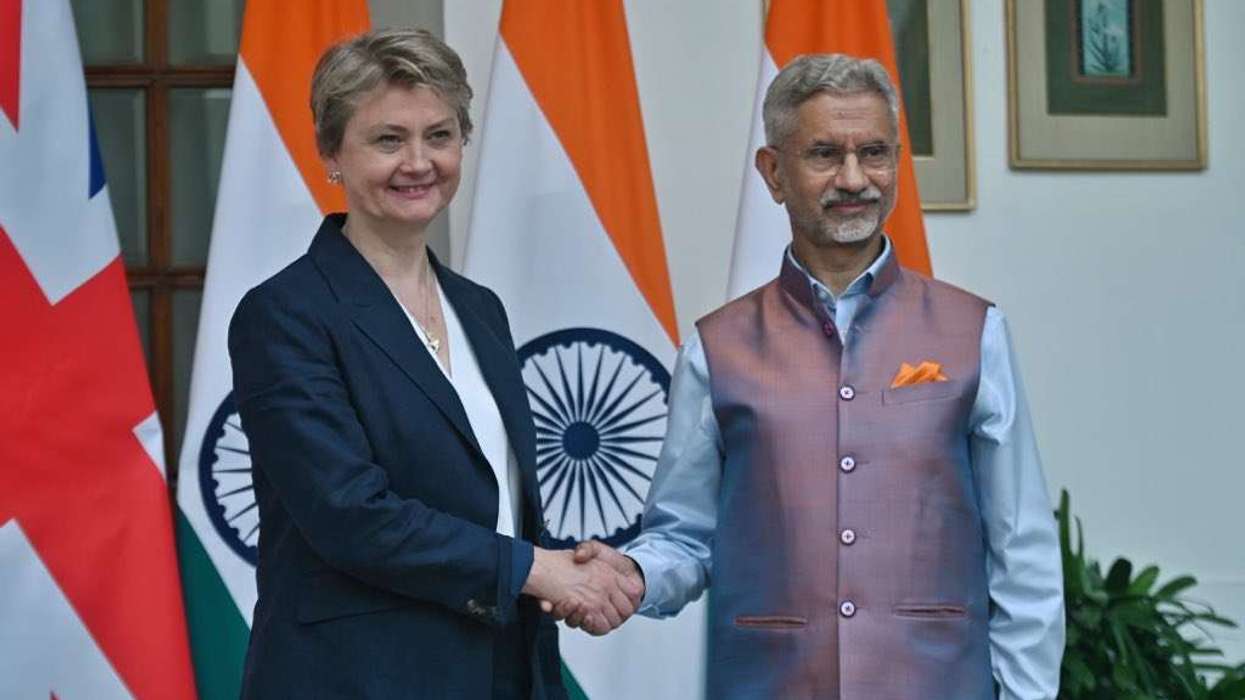 Yvette Cooper (L) with S JaishankarPhoto: X/@DrSJaishankar
"We are today well positioned to build a new future-oriented and mutually beneficial partnership," he said. "Our relationship has moved from being a historical and perhaps cultural connection to being a forward-looking highway of shared economic ambitions and high technology."
Focus on trade agreement
On Comprehensive Economic and Trade Agreement (CETA) specifically, he said the agreement "addresses many concerns about creating resilient supply chains" across trade, energy, food and economic security. He also pointed to the University of Liverpool's decision to open a campus in India as a sign that the education strand of Vision 2035 was already bearing fruit.
Cooper matched Jaishankar's optimism. The India-UK partnership had gone from "strength to strength" in recent years, she said, describing CETA as one of its key pillars. On the minerals front, she said, "Greater access to critical minerals and improved information-sharing are in the mutual interest of both nations and can contribute significantly to economic growth and supply chain security."
The two sides formally launched the India-UK Critical Minerals Global Supply Chain Observatory, inaugurated jointly by Cooper and minister of coal and mines G Kishan Reddy. The observatory is designed to improve information-sharing and decision-making around the raw materials considered essential for clean energy, electric vehicles and advanced manufacturing, an area where both countries have identified strategic vulnerability.
Indian government termed the launch as a "significant milestone" in the growing partnership on critical minerals and supply chain resilience.
(with inputs from PTI)