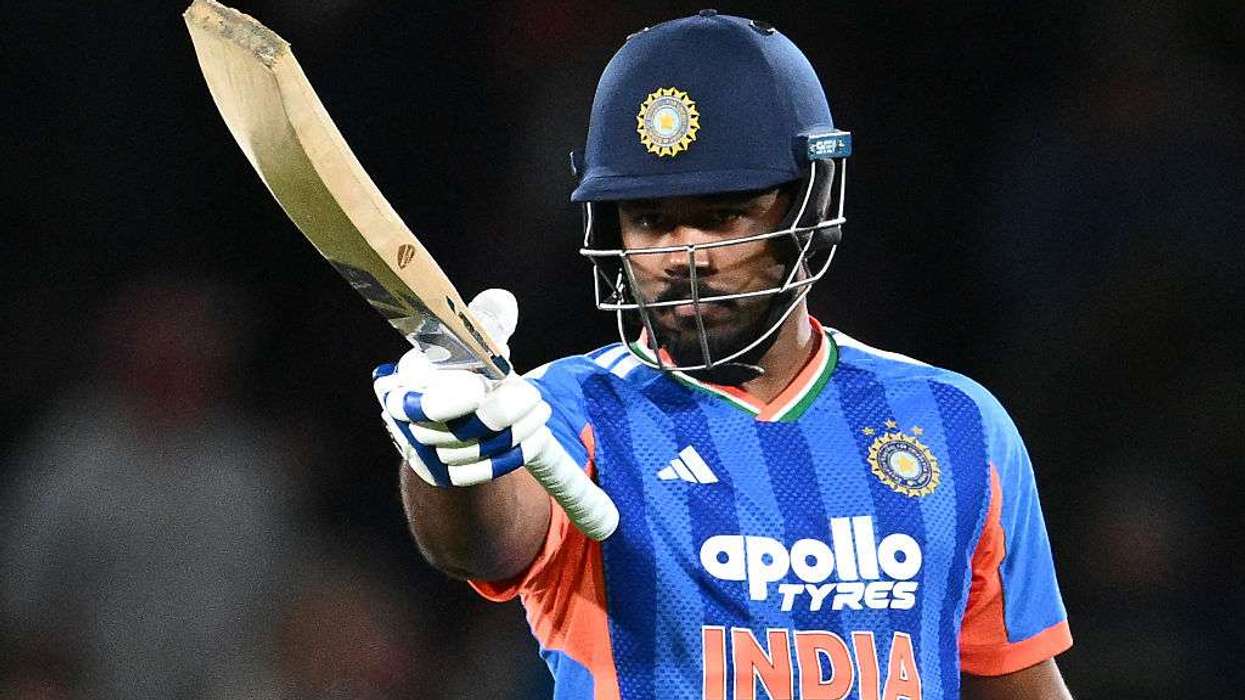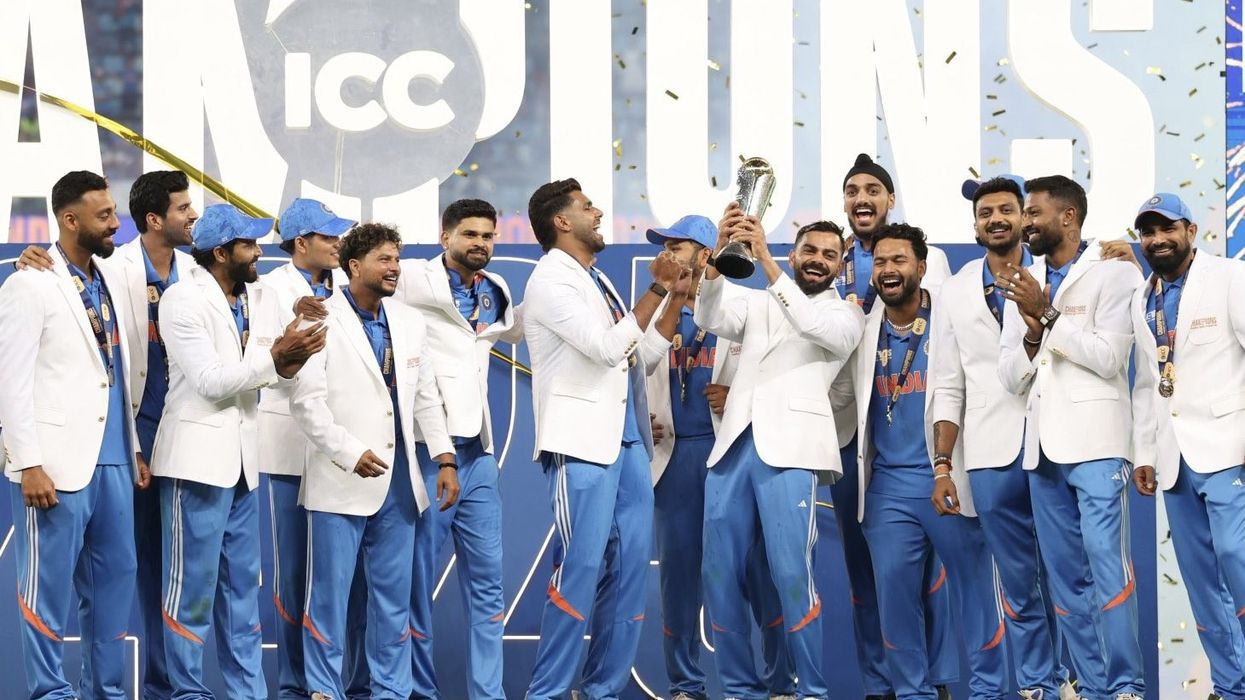

INDIA secured their third Champions Trophy title with a four-wicket victory over New Zealand in the final on Sunday.
Rohit Sharma led from the front with a crucial 76, supported by a disciplined spin attack that restricted New Zealand to 251-7 in Dubai.
Chasing 252, India started aggressively with Rohit's first half-century of the tournament, while KL Rahul remained unbeaten on 34 to guide the team home with six balls to spare. This win adds to India's previous titles in 2002 and 2013, surpassing Australia's two trophies.
The world’s top-ranked ODI team remained unbeaten throughout the eight-nation tournament, which was played in Pakistan and the UAE.
One Team
One Dream
One Emotion!
🇮🇳🇮🇳🇮🇳#TeamIndia pic.twitter.com/MbqZi9VGoG
— BCCI (@BCCI) March 9, 2025
"It is very nice," Rohit said. "We played some good cricket through the tournament. To have the result our way is a great feeling."
Virat Kohli added: "It's been amazing, we wanted to bounce back after a tough Australia tour. Lovely playing with a bunch of amazing youngsters. They're stepping up and taking India in the right direction."
"When you leave, you want to leave in a better position. So many impactful knocks (Shubman) Gill, Shreyas (Iyer), Rahul have played. The team is in good hands," he said.
Both Kohli and Rohit came into the tournament following a poor run in India's 3-1 Test series loss in Australia, with speculation over their ODI futures.
On a slow Dubai pitch, New Zealand's spinners kept India under pressure, reducing them to 203-5 after dismissing Rohit and Shreyas Iyer, who made 48. However, Rahul, along with Hardik Pandya (18) and Ravindra Jadeja, steadied the chase, with Jadeja hitting the winning boundary. A majority Indian crowd cheered as the team sealed victory.
India played all their matches in Dubai, having declined to travel to host nation Pakistan due to political tensions.
Phillips’ stunning catch
India relied on spin in their last three matches, a strategy that paid off in the final. Varun Chakravarthy and Kuldeep Yadav claimed two wickets each as New Zealand, who elected to bat first, were limited to 251-7.
In response, Rohit started aggressively, attacking the pacers and hitting a six and two fours in one over off Nathan Smith. He reached his half-century in 41 balls.
New Zealand fought back through their spinners. Glenn Phillips took a spectacular diving catch at extra cover to dismiss Shubman Gill for 31 off Mitchell Santner. Kohli fell in the next over, lbw to Michael Bracewell for one, shifting the momentum.
Rohit was stumped after a maiden over from Bracewell, misjudging a charge against Rachin Ravindra. India slipped from 105-0 to 122-3.
Iyer, dropped earlier by Kyle Jamieson, steadied the innings but was later dismissed by Santner. Axar Patel and Pandya also fell, but Rahul held firm to see India through.
"It’s been a good tournament," said Santner. "We have been challenged along the way and the way we have grown as a group. We lost to a better side today."
New Zealand missed key fast bowler Matt Henry, who was ruled out of the final with a shoulder injury. Captain Kane Williamson also could not take the field after scoring 11, due to a quad strain.
Daryl Mitchell top-scored with 63, while Bracewell’s unbeaten 53 gave New Zealand a late boost.
However, Kuldeep’s two quick wickets—removing Ravindra for 37 and Williamson soon after—proved decisive as India completed a double over New Zealand in the tournament.
(With inputs from AFP)