
Skip to content
Search

Latest Stories

Submit Guest Post

Tory donor Murtaza Lakhani hit by sanctions tied to Russian energy sector

The Conservative Party said that donations were received “in good faith” and declared in line with the law.

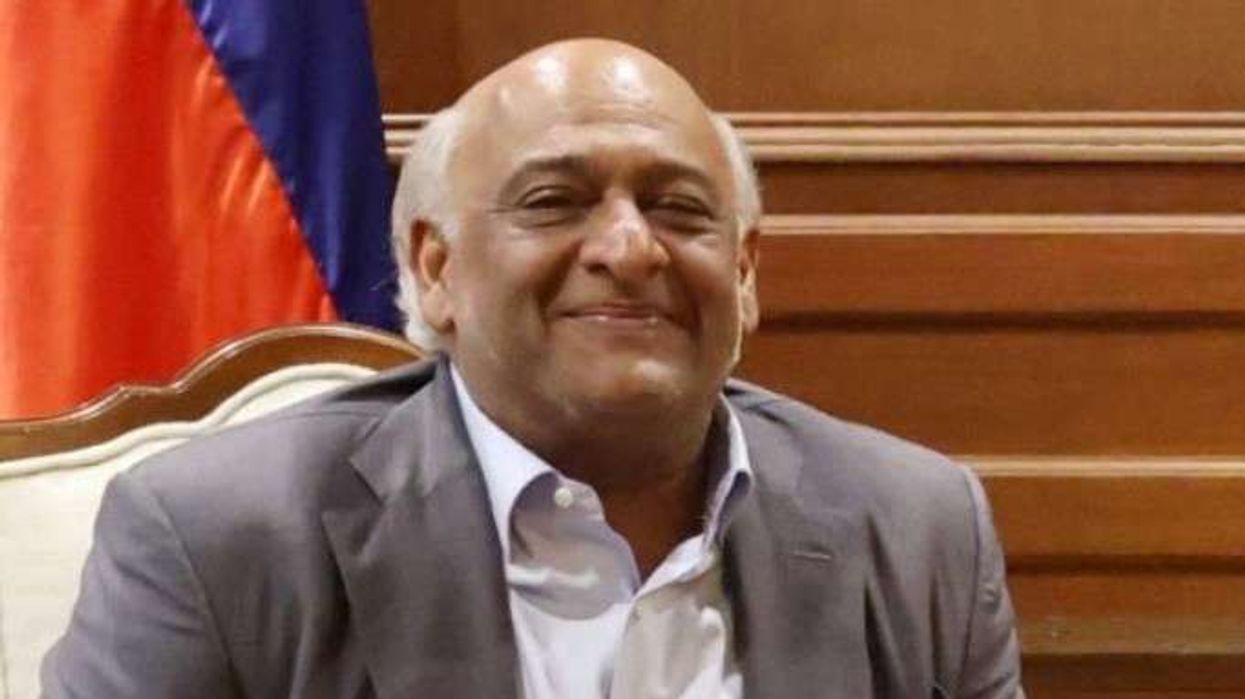
​Murtaza Lakhani

Lakhani donated £500,000 to the Conservative Party in 2019 through his company Mercantile & Maritime UK, ahead of Boris Johnson’s election victory. (Photo: X/@HouseofRepsPH)

A MAJOR donor to the Conservative Party has been sanctioned by the UK and the European Union over his alleged role in the Russian oil trade.

Murtaza Lakhani, a 63-year-old Canadian-Pakistani oil magnate, has been hit with an asset freeze, travel ban and transport restrictions, The Times reported. The sanctions were imposed on the grounds that his activities materially assisted the Russian government.


Lakhani donated £500,000 to the Conservative Party in 2019 through his company Mercantile & Maritime UK, ahead of Boris Johnson’s election victory.

The Conservative Party told the Financial Times that donations were received “in good faith” and declared in line with the law.

An investigation by The Times and SourceMaterial in 2022 found that Cetracore, an Austrian company majority-owned by Lakhani, bought ten shiploads of oil products from Russia’s state-owned oil company Rosneft in August 2022, citing industry data.

The purchases came months after President Vladimir Putin launched the war in Ukraine, at a time when other oil companies had reduced Russian trading. The activity was not in breach of sanctions at the time.

The UK sanctions statement said vessels or aircraft owned or controlled by Lakhani would be barred from UK ports. The Office of Financial Sanctions Implementation said he supported the Russian government through businesses operating in the Russian energy sector, citing links to Cetracore, Tejarinaft, Amur II and Fossil Trading. The EU has taken similar action.

Add EasternEye As Your Trusted Source
preferred source on google news

More For You

Bereaved families finance

The FCA has urged investment firms to make it easier for families to manage financial affairs after a death

iStock

Confusing paperwork and delayed payments: How can families protect their finances after a death?

  • Only 47 per cent of bereaved customers in an earlier FCA survey felt they had received the support they needed.
  • Some firms continued charging advice fees even when the related service was no longer being provided.
  • Families are being encouraged to seek clear information about paperwork, charges and access to money.

The death of a family member can leave relatives with a long list of financial responsibilities, from identifying savings and investments to settling an estate. But a review by the Financial Conduct Authority (FCA) suggests that dealing with some investment firms can add another layer of difficulty at an already distressing time.

The regulator examined how financial advisers, wealth managers and investment platforms support bereaved customers and people administering estates. While it found examples of firms providing thoughtful, personal assistance, others were falling short.

Keep ReadingShow less