
IT IS hard to imagine what life must have been like when India was under British rule. It certainly would not have been able to make the remarkable progress it has since the country became independent on August 15, 1947.
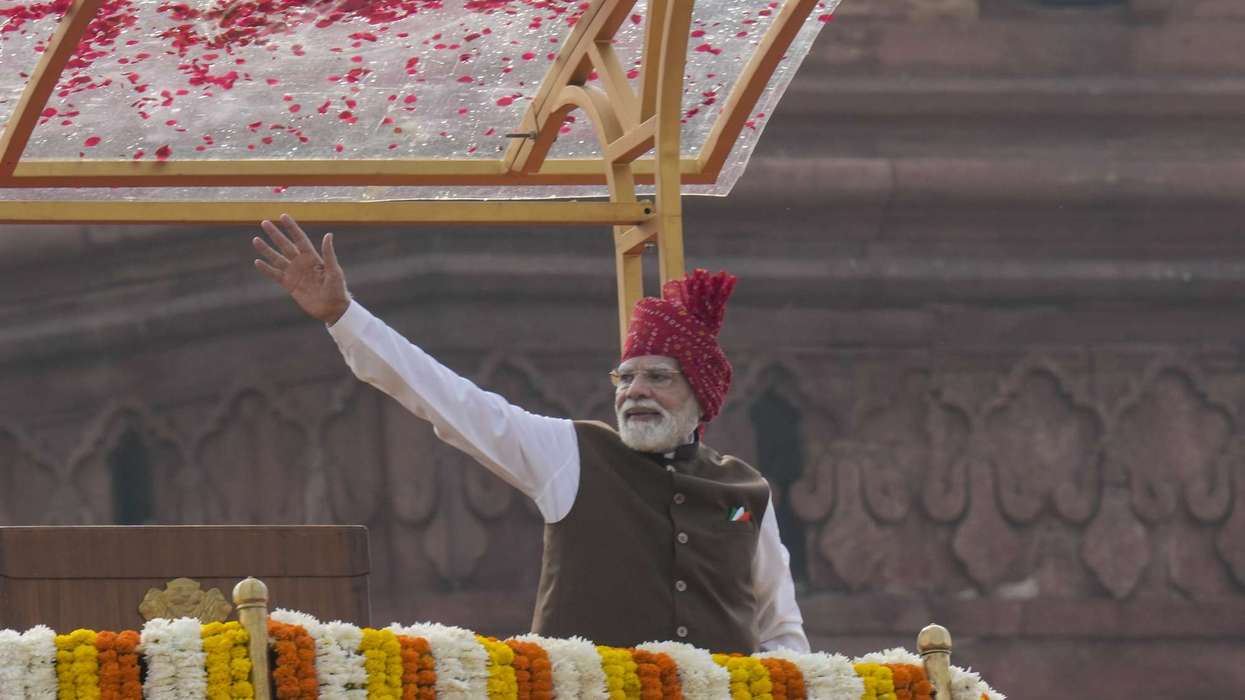
Narendra Modi marked India’s 80th Independence Day by addressing the nation from the ramparts of the Red Fort in Delhi.
He has been prime minister since 2014. In that period, it is ridiculous that Britain has been through seven prime ministers: David Cameron (2010-2016); Theresa May (2016-2019); Boris Johnson (2019-2022); Liz Truss (September 2022-October 2022); Rishi Sunak (2022-2024); Keir Starmer (2024-2026); and Andy Burnham (July 2026-present).
But the hope and expectation, at least from the Indian point of view, are that the Free Trade Agreement is between governments and not individual leaders. That said, Indian commerce and industry minister Piyush Goyal is happy that Jonathan Reynolds, with whom he established a close working relationship, is back as business and trade secretary.
“We have to become self-reliant,” Modi said as the flag was unfurled.
“There are many things in the world. They are cheaper, they are readily available. But that does not build our capabilities, nor does it test our capabilities. Therefore, we must develop our own capabilities and protect our own interests.”
Modi added that government initiatives such as “Make in India” and “Vocal for Local” are becoming part of the thinking of every Indian.
“We are moving forward with a firm resolve of Aatmanirbhar Bharat,” he said.
India has to be self-reliant because the United States, under president Donald Trump, has proved to be an unreliable ally. In marked contrast, Russia has been a trusted ally that has always stood by India.
But Russia’s unprovoked war against Ukraine has placed India, which has to buy Russian oil, in a very difficult situation. It also maintains good relations with Iran, but there is a cost to the multipolar foreign policy that India has pursued over the past eight decades as an independent nation.

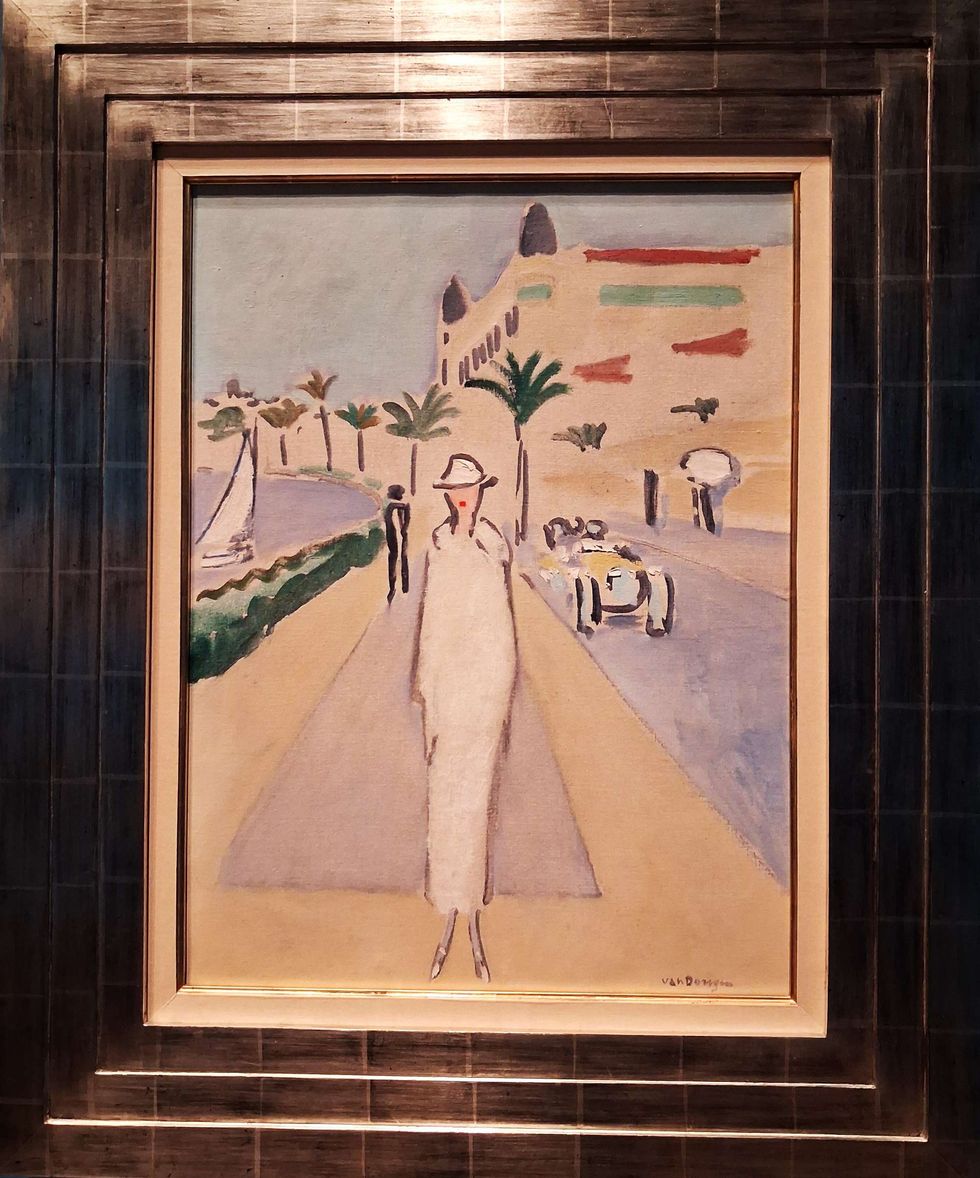 Kees Van Dongen’s The White LadyAmit Roy