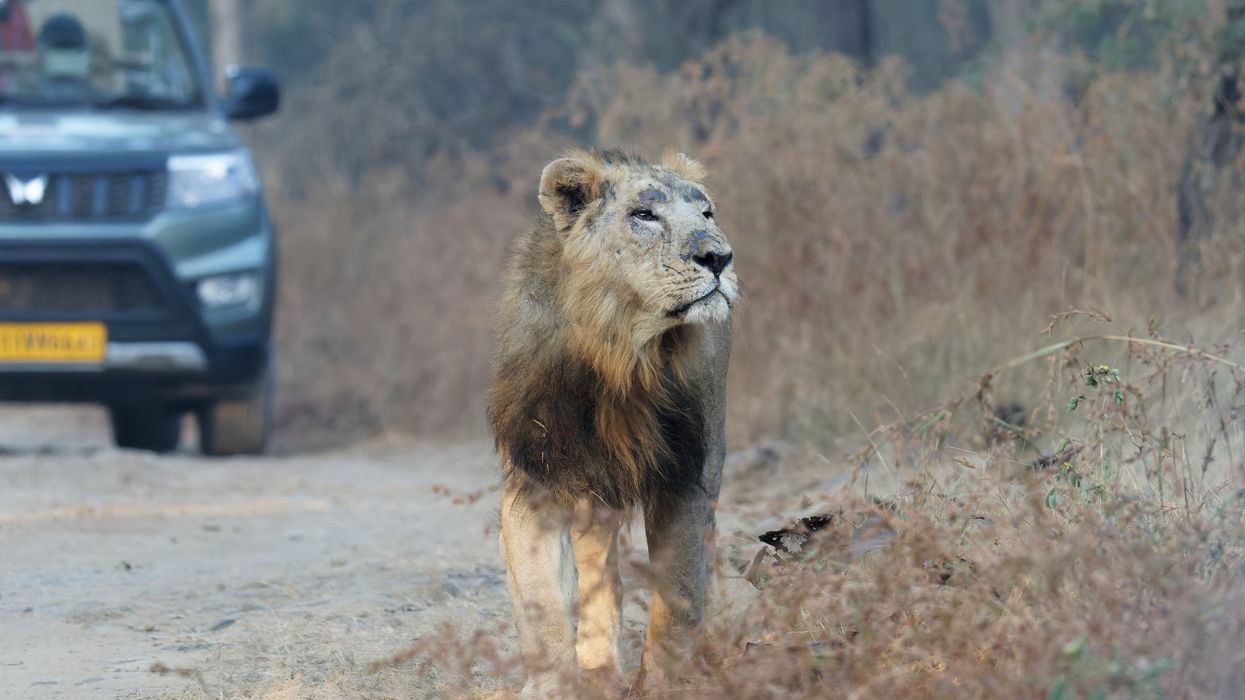

Asiatic lions, once on the brink of extinction, are thriving again, thanks largely to the efforts centred around Gujarat’s Gir National Park. In 2025, the population of these rare lions was reported at 891, up from 674 in 2020, marking a 32 per cent increase over five years. For travellers, conservationists and wildlife enthusiasts, this remarkable recovery is reason enough to explore one of India’s greatest ecological success stories.
Here are ten essential facts and features that make the Gir lions and their habitat a must-visit:
1. Gir is the only place in the world to see Asiatic lions in the wild
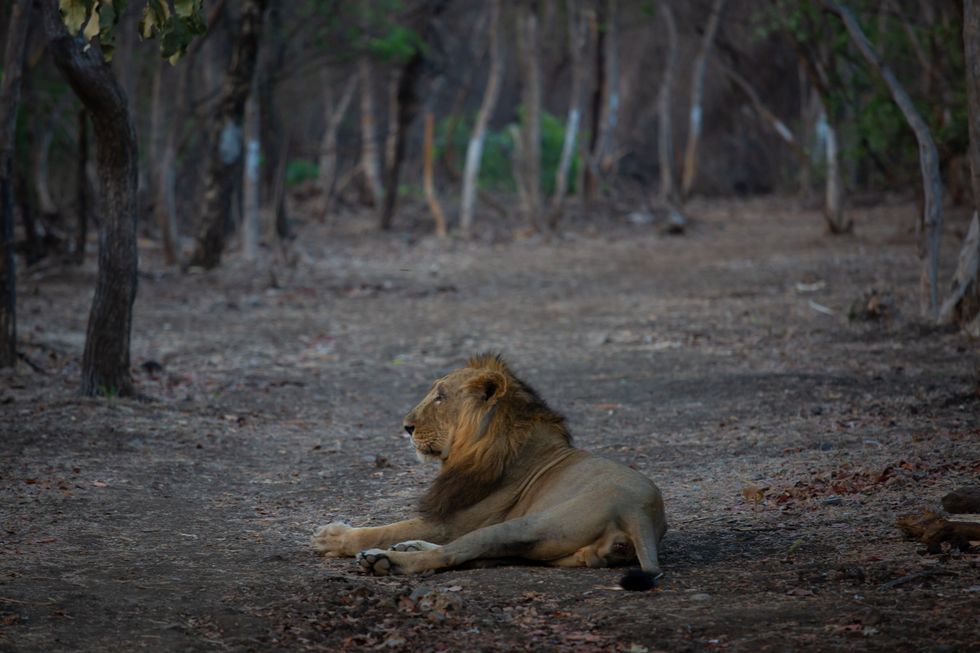 Nowhere else on Earth do Asiatic lions roam freely in the wildGetty
Gir National Park in Gujarat is the exclusive home of Asiatic lions (Panthera leo persica). Unlike their African cousins, these lions are slightly smaller, with less prominent manes and a distinctive fold of skin along their bellies. Nowhere else on Earth do Asiatic lions roam freely in the wild, making Gir a unique destination for wildlife tourism.
2. Lion numbers are rising, with nearly 900 counted in the latest census
The most recent lion census conducted in May 2025 recorded 891 lions across 11 districts of Gujarat. This continues a steady upward trend: from 523 lions in 2015, to 674 in 2020, and now nearly 900. These figures reflect decades of sustained conservation efforts by the state.
3. Lions are now spreading beyond Gir National Park
Over half of the lion population now lives outside the traditional borders of Gir National Park. Lions have been spotted in areas as far as Bhavnagar, Rajkot and Jamnagar, revealing a steady eastward and northward expansion across 58 talukas. This dispersion is seen as both a conservation milestone and a new challenge for wildlife management.
4. The 2025 lion census was the most extensive yet
The 16th Asiatic Lion Census was the largest ever, covering approximately 35,000 square kilometres. It involved 3,000 personnel, including forest officers, enumerators and field staff. The data collection included daytime and night-time tracking, mapping, and behavioural studies across multiple habitats.
5. The park supports an entire ecosystem beyond lions
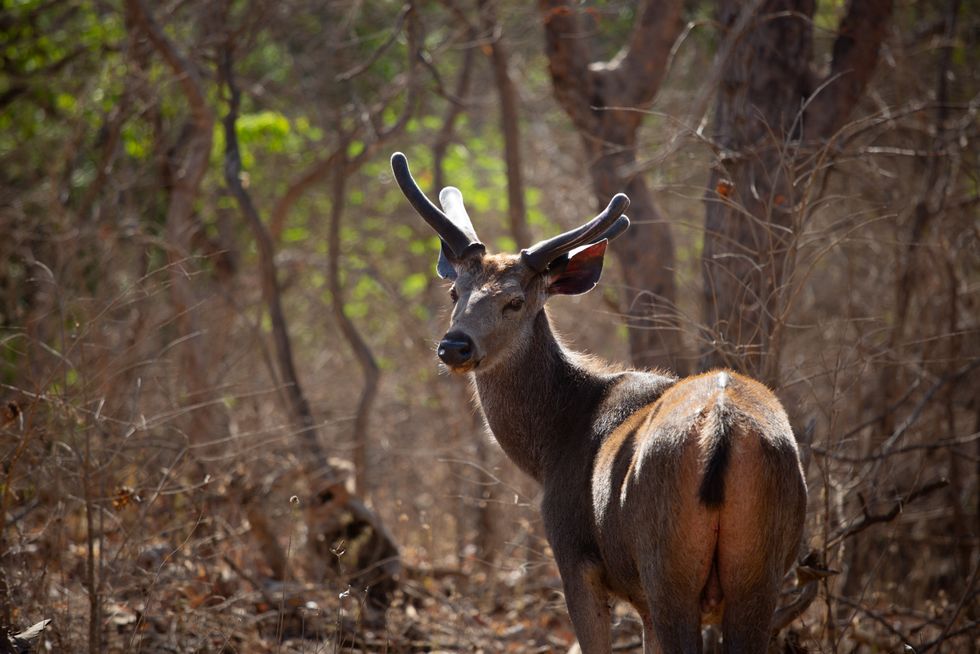 Gir is home to over 2,300 speciesGetty
While lions are the main attraction, Gir is a biodiversity hotspot. It is home to over 2,300 species of fauna, including leopards, hyenas, sambar deer, crocodiles, and more than 300 species of birds. This makes it a paradise not just for big cat enthusiasts but also for birdwatchers, herpetologists and ecotourists.
6. Gir's landscape is varied and scenic
Spanning around 1,412 square kilometres, Gir features a mix of dry deciduous forests, scrublands, grasslands, and rivers like the Hiran and Shetrunji. The terrain enhances the experience of a jungle safari, offering dramatic backdrops for wildlife photography.
7. Devalia Safari Park offers a guaranteed lion sighting
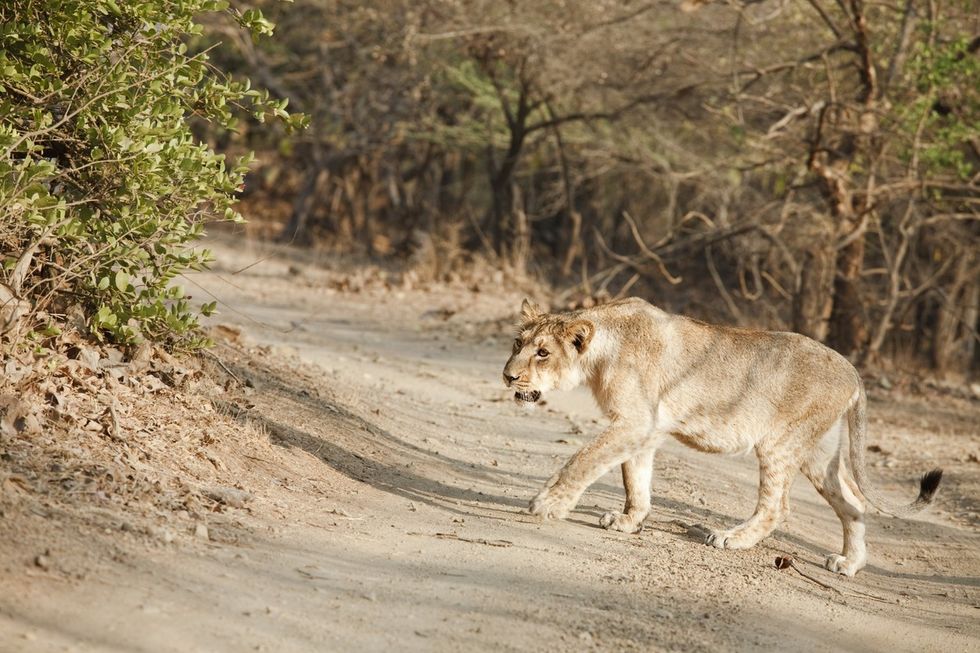 The terrain enhances the experience of a jungle safariiStock
For visitors on a tight schedule, Devalia Safari Park—also known as the Gir Interpretation Zone- offers a more controlled environment where lions and other wildlife can be seen up close. Open all year round (except Wednesdays), it’s ideal for families and those who want a shorter excursion without compromising on sightings.
8. Local communities are part of the conservation success
The rise in lion numbers has been achieved through collaboration with local communities, especially the Maldhari tribe, who have coexisted with wildlife for generations. Their traditional knowledge, along with increased eco-tourism opportunities, has created a model for community-led conservation that is now being studied internationally.
9. The best time to visit is between November and March
The park is open from mid-October to mid-June, but the most comfortable months for travel are November to March, when the weather is cooler and wildlife is more active. The park closes for the monsoon from 16 June to 15 October each year.
10. Gir is more than a wildlife destination; it’s a symbol of revival
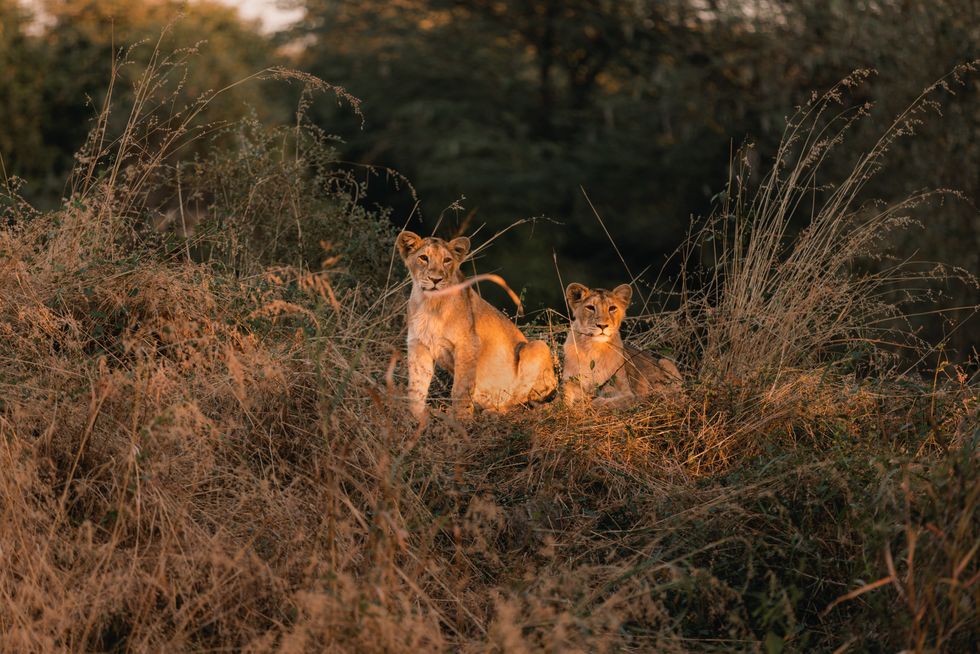 For travellers, conservationists and wildlife enthusiasts
iStock
For travellers, conservationists and wildlife enthusiasts
iStock
From a population of just a dozen lions in the early 20th century, the Asiatic lion's recovery to nearly 900 is considered one of the world’s greatest conservation stories. For visitors, Gir offers not just a chance to see lions, but to witness how ecological restoration, political will and community support can combine to revive a species once feared lost.
Whether you're a nature enthusiast, a wildlife photographer, or simply looking for a unique travel experience, Gir National Park offers a rare and enriching opportunity to see one of the most iconic and endangered animals in its only natural habitat. The lions of Gir are not just a national treasure—they're a living testament to what conservation can achieve.