
- Fingerprints and photos now required at many EU borders
- Long queues reported at airports during early rollout
- UK travellers among those affected under new system
Europe’s new digital border control system is moving closer to full rollout, but early signs suggest the Entry Exit System (EES) could bring longer queues for travellers, especially during busy periods.
The EU biometric border system, which requires fingerprints and facial images alongside passport scans, is now being introduced across Schengen countries in phases. While April 10 was set as a key deadline for wider activation, not all border points are switching on at once, with several airports still holding back due to operational concerns.
The system is designed to track non-EU travellers, including those from the UK, as they enter and leave the Schengen Area. It will eventually replace manual passport stamping, but for now, travellers should expect a mix of digital and manual checks depending on where they land.
The promise behind EES is smoother and more secure travel. But the rollout has already exposed some friction.
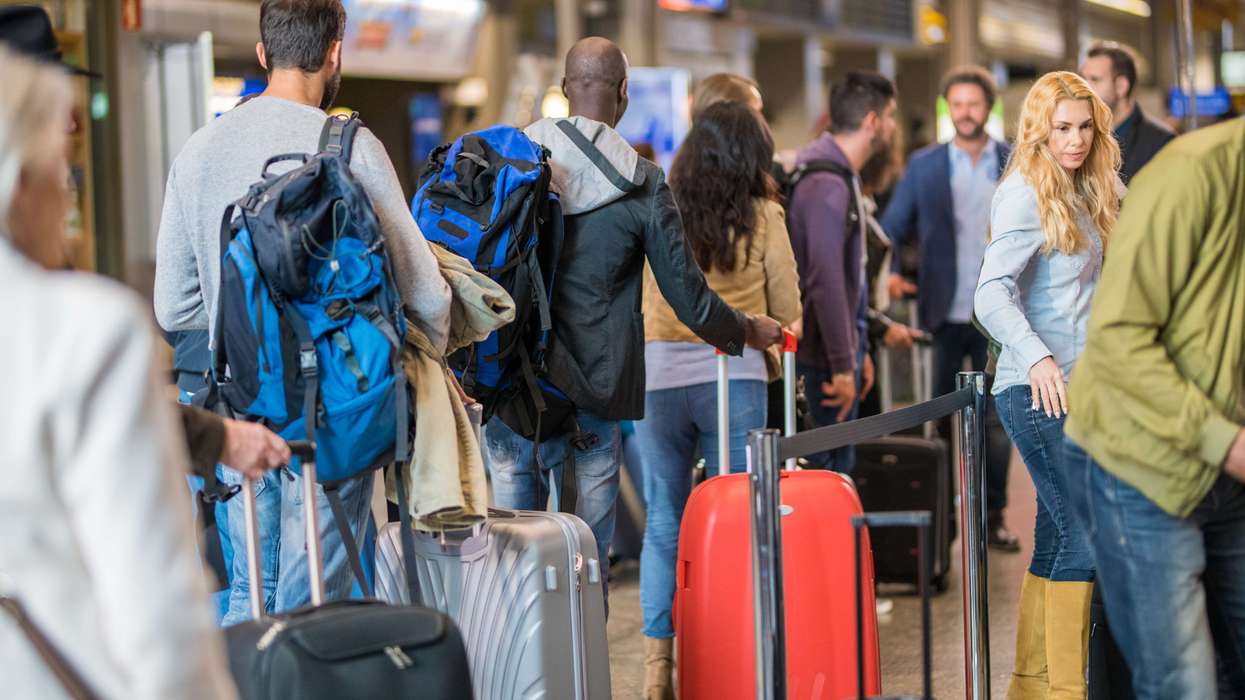
There have been reports of long queues at major entry points. In one case, passengers arriving in Pisa reportedly waited up to five hours to clear border checks. Similar delays have been seen in Geneva, particularly during peak travel periods.
Travel experts have pointed to IT issues and unfamiliarity with the system as early hurdles, as quoted in a news report. Even small delays per passenger can quickly build into hours when airports are busy.
To ease the pressure, the European Commission has allowed border authorities to temporarily suspend EES checks during peak congestion until September. The system is being introduced gradually to avoid a sudden overload, though disruption remains a concern.
What changes for travellers
For most travellers, the biggest change is biometric registration. On their first trip under EES, passengers will need to provide fingerprints and a photograph, along with answering a few basic questions about their stay.
Where this happens depends on how you travel. Air passengers will complete the process on arrival at their destination airport. Those crossing via Dover, Eurotunnel or Eurostar will go through checks before leaving the UK.
New infrastructure is already in place. At Dover, additional processing zones have been created to handle the checks, while Eurostar has installed dozens of kiosks at London St Pancras. Eurotunnel has also rolled out automated kiosks where drivers can register biometric data from their vehicles.
Children under 12 are exempt from fingerprinting, and staff are expected to assist passengers unfamiliar with the system. Once registered, the data will be valid for three years, reducing the need for repeat checks on future trips.
Another layer coming next
EES is only part of a wider shift in how Europe manages its borders. A separate system, the European Travel Information and Authorisation System (ETIAS), is expected to follow by the end of 2026.
Under ETIAS, travellers from visa-exempt countries, including the UK, will need to apply online before travelling. The authorisation will cost around £17 (€20) and remain valid for three years.
For now, the focus remains on EES and how smoothly it can be rolled out. While authorities insist the phased approach will prevent major disruption, early experiences suggest travellers may need to factor in extra time — at least until the system settles into place.