
- Standard Chartered plans to cut 15 per cent of its back-office workforce by 2030.
- Around 7,800 jobs are expected to be affected across India, Malaysia and Europe.
- The bank says AI and automation are becoming central to its long-term strategy.
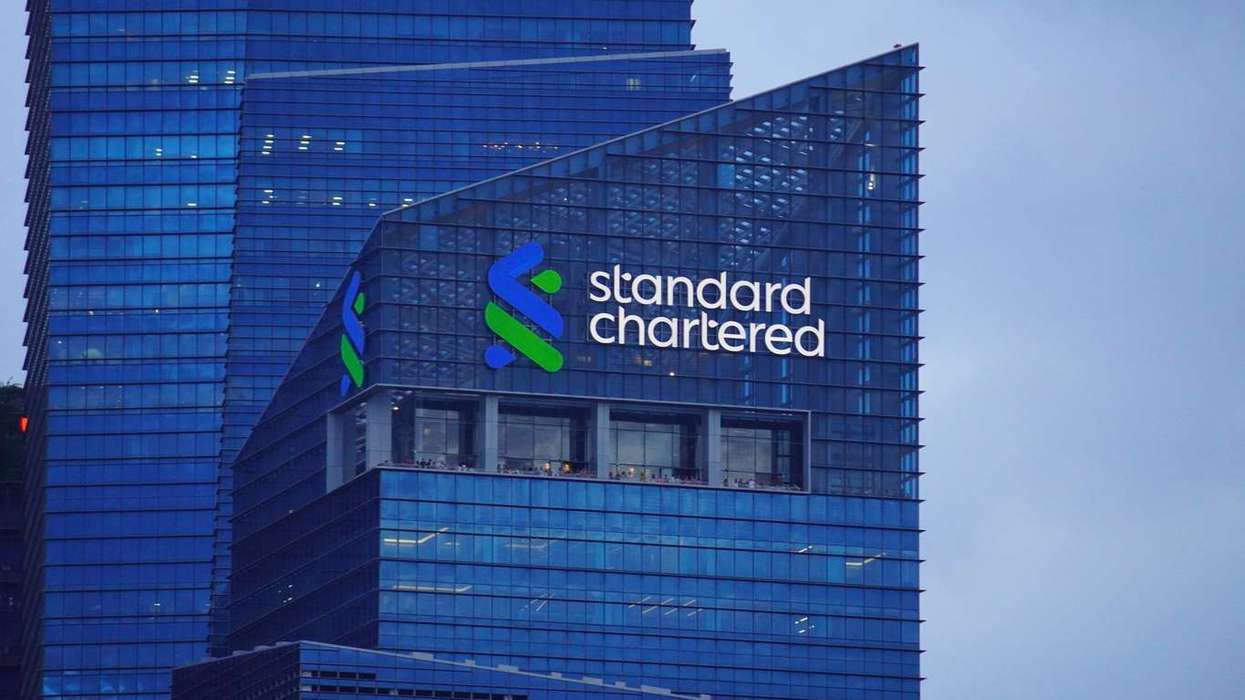
Standard Chartered is preparing to cut more than 7,000 jobs over the next four years as the bank accelerates its use of artificial intelligence and automation across core operations.
The London-based lender said it plans to reduce around 15 per cent of its back-office workforce by 2030, affecting nearly 7,800 roles. The cuts form part of a broader strategy overhaul as global banks increasingly turn to AI to improve efficiency, lower operational pressure and protect profits in a slowing economic environment.
The bank currently employs close to 82,000 people globally, with more than 52,000 working in back-office operations. According to the bank’s latest strategy update, some of the biggest impacts are expected to be felt at operational hubs in Chennai, Bengaluru, Kuala Lumpur and Warsaw.
The move places Standard Chartered among the first major global lenders to openly connect large-scale job reductions with the growing adoption of artificial intelligence.
AI moves from support tool to workforce decision-maker
Chief executive Bill Winters reportedly said the cuts were not purely about reducing costs, but about replacing “lower-value human capital” with technology investments and automation systems.
He reportedly added that artificial intelligence would become a “huge facilitator and enabler” as the bank modernises more of its internal banking systems.
While several financial firms have introduced AI tools in recent years, most have avoided directly linking the technology to layoffs. Instead, many banks have framed AI as a productivity tool that may gradually slow hiring rather than replace workers outright.
That appears to be changing.
Research published by Morgan Stanley last year estimated that AI could place more than 200,000 banking jobs across Europe at risk by 2030, representing roughly 10 per cent of roles in the sector.
The banking industry has been under growing pressure to modernise operations while also managing rising cybersecurity threats, tighter regulations and weakening global economic conditions.
Buy now, pay later firm Klarna had also signalled a similar shift earlier. The company said in December 2024 that it had paused hiring for more than a year as AI systems had started handling work previously done by hundreds of employees.
Geopolitical tensions add another layer of pressure
The latest restructuring push also comes as Standard Chartered navigates a difficult global environment shaped by geopolitical instability and slower growth across key Asian markets.
The bank, which has a strong presence across Asia-Pacific and Africa, reportedly set aside £142 million ($190 million) in precautionary provisions linked to the ongoing Middle East conflict during the first quarter of the year.
Analysts have warned that banks in the Asia-Pacific region may need to raise loan-loss provisions further if the Iran conflict continues to disrupt energy markets and weaken borrower confidence.
Winters reportedly said the bank remained “extremely resilient” despite geopolitical risks and market uncertainty.
The announcement also arrives amid ongoing market speculation around leadership succession at Standard Chartered after Winters completed 11 years as chief executive. The bank indicated he is expected to remain in the role for the next few years as it pushes through its latest transformation strategy.