
- Europe may have only six weeks of jet fuel left, warning sparks concern.
- Brexit rules and new EU checks add to travel uncertainty.
- Airlines deny shortages, but cancellations and surcharges remain a risk.
Planning a summer holiday in 2026 is starting to feel less like a break and more like a calculated decision. For many UK travellers, the usual concerns around budgets and bookings are now being joined by a bigger question: will the trip even go ahead as planned?
At the centre of this uncertainty is a growing concern over jet fuel shortages in Europe, triggered by disruption in the Strait of Hormuz. The route typically carries around a fifth of the world’s oil and gas, and any disruption has a direct knock-on effect on aviation fuel supply.
Fatih Birol, head of the International Energy Agency, has warned that Europe could run out of jet fuel in “maybe six weeks or so”, adding that flight cancellations could begin “soon” if the situation does not improve, as quoted in a news report. Behind the scenes, the UK government, led by Keir Starmer, has reportedly been preparing for worst-case scenarios, including wider supply disruptions.
Summer of uncertainty
Even without fuel concerns, travel across Europe has become more complicated. The legacy of Brexit continues to show up at borders, with longer queues, passport stamping and the loss of fast-track EU lanes for British travellers.
On top of that, confusion still surrounds the rollout of the Entry/Exit System (EES), which is meant to collect fingerprints and photographs from non-EU visitors. While it has technically passed its implementation deadline, travellers remain unsure how smoothly it is actually working.
The result is a growing fear of unpredictable delays at major European airports. What used to be a routine check-in and departure now carries an added layer of uncertainty.
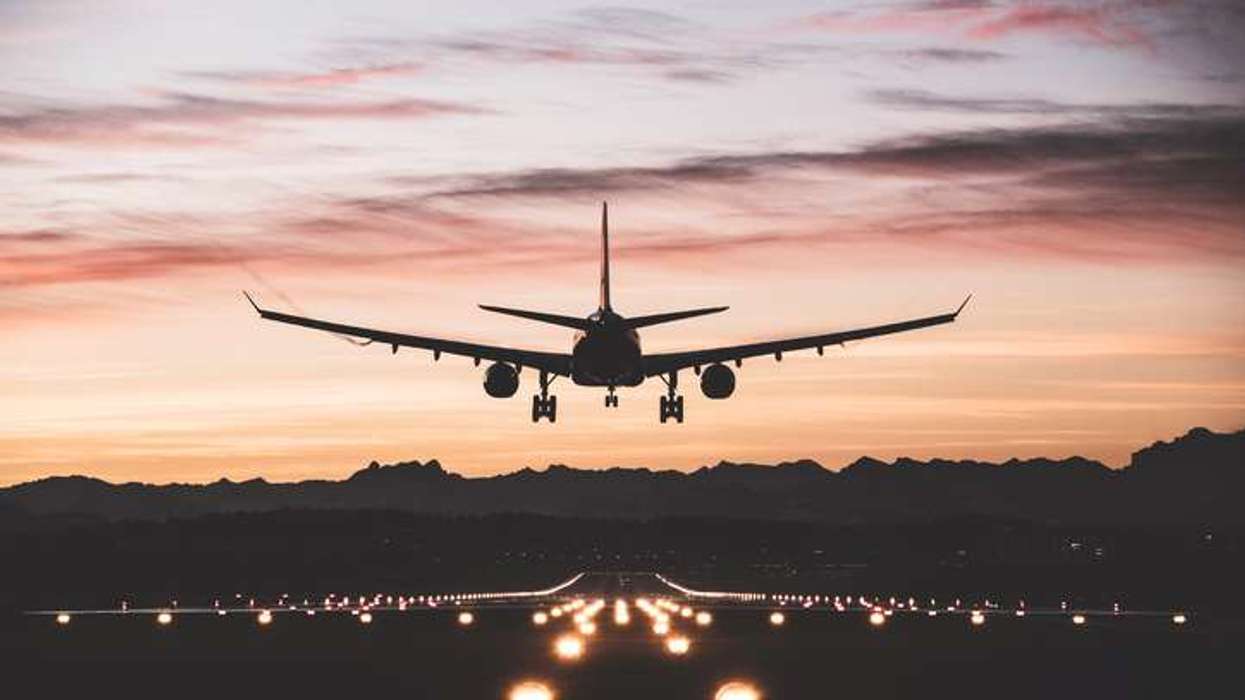 Jet fuel crunch puts Europe’s summer travel plans at risk iStock
Airlines, for now, are trying to keep calm. Trade body Airlines UK has said carriers are “not seeing disruption” to jet fuel supply, and executives at easyJet have insisted operations remain normal.
But the wider industry picture is less settled. Ryanair has warned it may have to cancel up to 10 per cent of flights during peak summer months if fuel supply issues persist, reportedly said by its chief executive. Analysts at Barclays have suggested travellers should expect a mix of forced cuts in early summer followed by voluntary reductions later, as fuel costs rise.
There are already signs of pressure building. Some smaller airlines have started cancelling routes, while carriers like Virgin Atlantic have introduced fuel surcharges, adding £50 to economy fares, £180 to premium and £360 to first class tickets.
Airports Council International Europe has also warned that if oil flows through Hormuz are not restored within weeks, a broader fuel shortage could become unavoidable.
Paying more for peace of mind
For travellers, all of this is quietly changing behaviour. Booking a holiday now often means paying extra for flexibility—refundable tickets, insurance, and last-minute deals that allow room for sudden changes.
Confidence is still there, but it is more cautious. Bookings are being made later, decisions are being delayed, and travellers are watching headlines as closely as prices.
The summer holiday is no longer just about where to go. It is about what could go wrong—and how much you are willing to spend to protect against it.