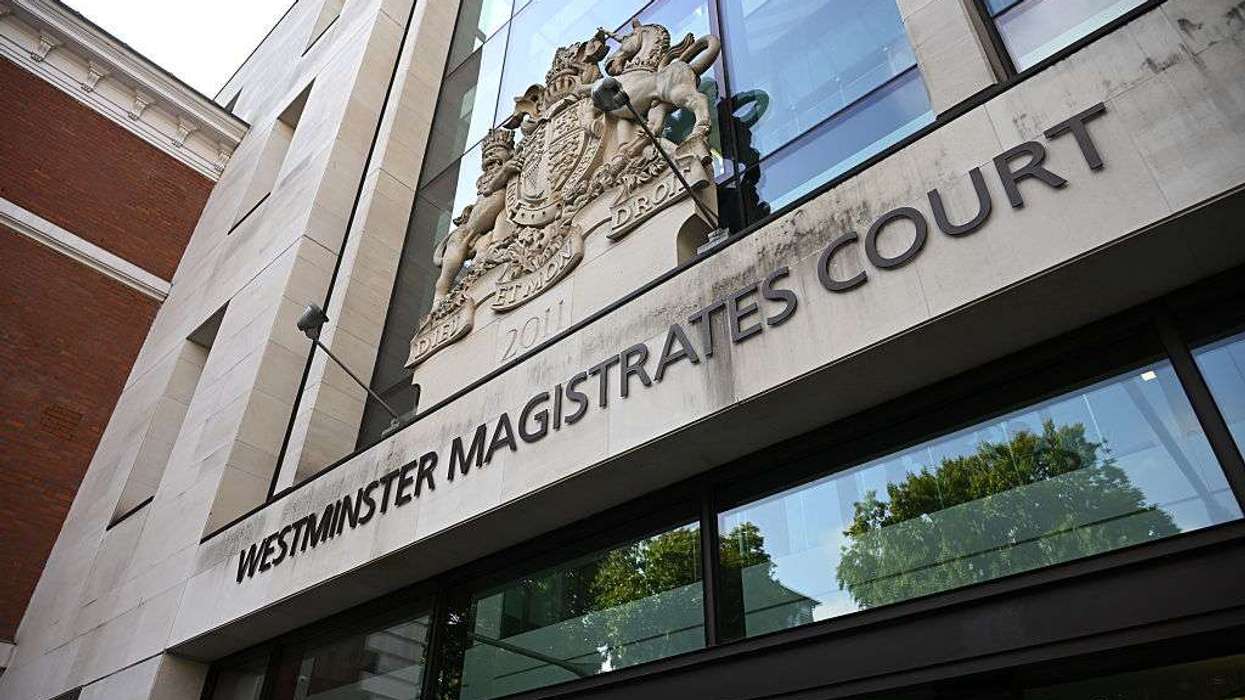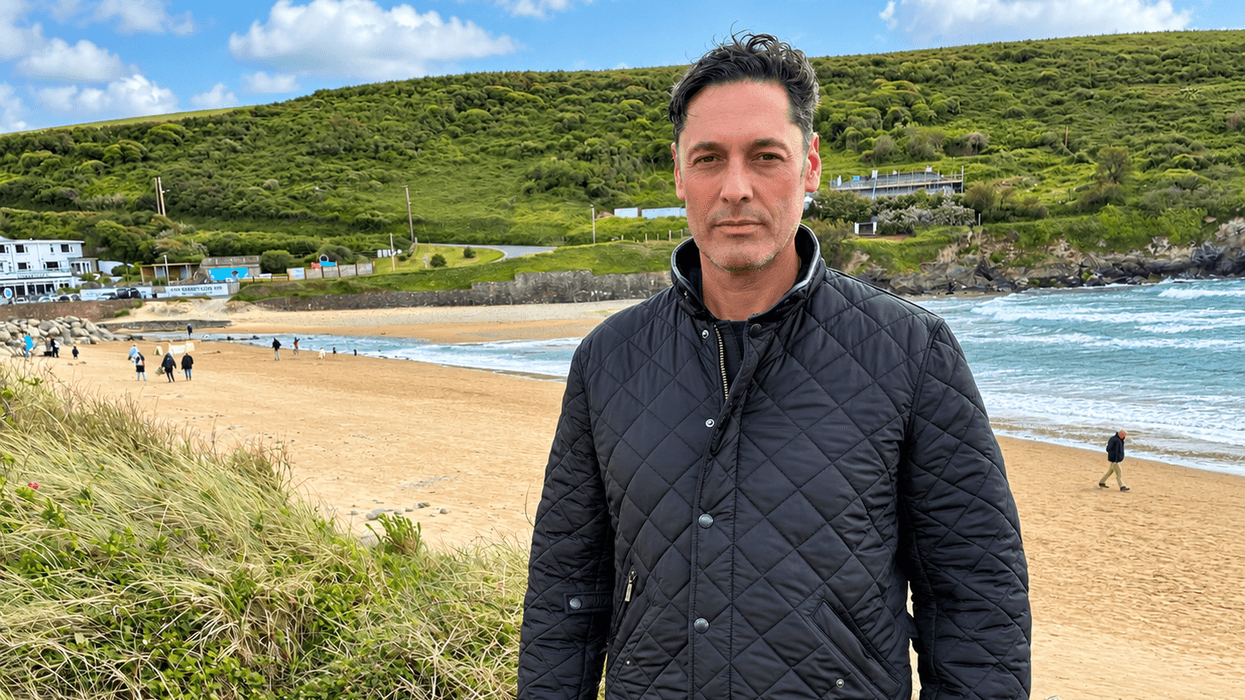

- The FCA has appointed board member Lea Paterson to review its handling of Andriesz.
- The regulator previously apologised after giving him incorrect advice about whistleblower protection.
- MPs are calling for an independent investigation rather than an internal FCA review.
The UK's financial regulator has launched an investigation into how it handled a whistleblower who raised concerns about his former employer and later highlighted alleged business links between US commerce secretary Howard Lutnick and convicted sex offender Jeffrey Epstein.
Simon Andriesz, a former managing director at financial brokerage BGC Group, died last month aged 57. His death was confirmed by the Transparency Task Force, a campaign group of which he was a member. Reports have described his death as suicide, but there has been no suggestion that his whistleblowing was the cause.
The Financial Conduct Authority (FCA) said it has appointed Lea Paterson, a recently appointed non-executive director, to review how its staff interacted with Andriesz and identify lessons for the future.
“We are very sorry to hear of Mr Andriesz’s death,” an FCA spokesperson reportedly said. “Our thoughts are with his family and friends.”
The regulator said it had decided to conduct the review after expressing its condolences to his family.
Why is the FCA investigating its handling of Andriesz?
Andriesz had spent years raising concerns about BGC Group, where Lutnick was previously chief executive.
He first raised concerns internally about alleged accounting irregularities in 2016, a year before he was dismissed by the company. He later raised concerns with US and UK authorities about alleged wrongdoing and potential retaliation.
Andriesz also told US authorities that Lutnick had undeclared business ties with Epstein. He later provided an email chain that appeared to show discussions between Lutnick and Epstein about a start-up business in 2018.
Lutnick has denied having a personal or professional relationship with Epstein and has not been accused of wrongdoing in relation to Epstein.
Andriesz's concerns about the FCA focused partly on how the regulator dealt with his whistleblowing and whether it did enough to investigate his allegations against BGC.
The FCA had also incorrectly told Andriesz that he would not qualify for whistleblower protection because his identity had become known. The regulator later apologised and said additional guidance and training would be provided to its whistleblowing team.
The case has now raised wider questions about how whistleblowers are treated when they bring allegations of wrongdoing to financial regulators.
Why are MPs calling for an independent inquiry?
The FCA's decision to review its own handling of the case has already attracted criticism from MPs.
The all-party parliamentary group on investment fraud and fairer financial services has called for an independent investigation, arguing that the regulator should not effectively be reviewing its own conduct.
John McDonnell, the Labour MP who chairs the group, reportedly said: “It is vital that this time a truly independent and non-conflicted organisation carries out the work needed.”
He added that if the FCA did not respond positively, the group would consider alternatives, including its own call for evidence from whistleblowers who had dealt with the regulator.
The criticism comes as Andriesz's case highlights the potential personal and financial costs involved in challenging large financial institutions.
His information contributed to regulatory action against BGC in the US and UK. US authorities previously imposed penalties on the company over regulatory matters, while Andriesz received a whistleblower award from the US Commodity Futures Trading Commission. He said the award was ultimately outweighed by legal and other costs associated with his campaign.
BGC has consistently disputed Andriesz's allegations.
A spokesperson for the company said: “BGC has long disputed Mr Andriesz’s allegations but does not intend to relitigate these matters at this sad time.”
The company added that it was sorry to hear of his death and offered its condolences to his family.
The FCA's review is expected to examine its interactions with Andriesz rather than determine the truth of the allegations he made against Lutnick or BGC.
That distinction is important. The regulator is now facing scrutiny over how it handled a whistleblower, while the separate allegations concerning Lutnick's relationship with Epstein remain contested.
For the FCA, the review could become a wider test of whether Britain's financial watchdog has the systems and protections needed for people who come forward with allegations of serious wrongdoing.