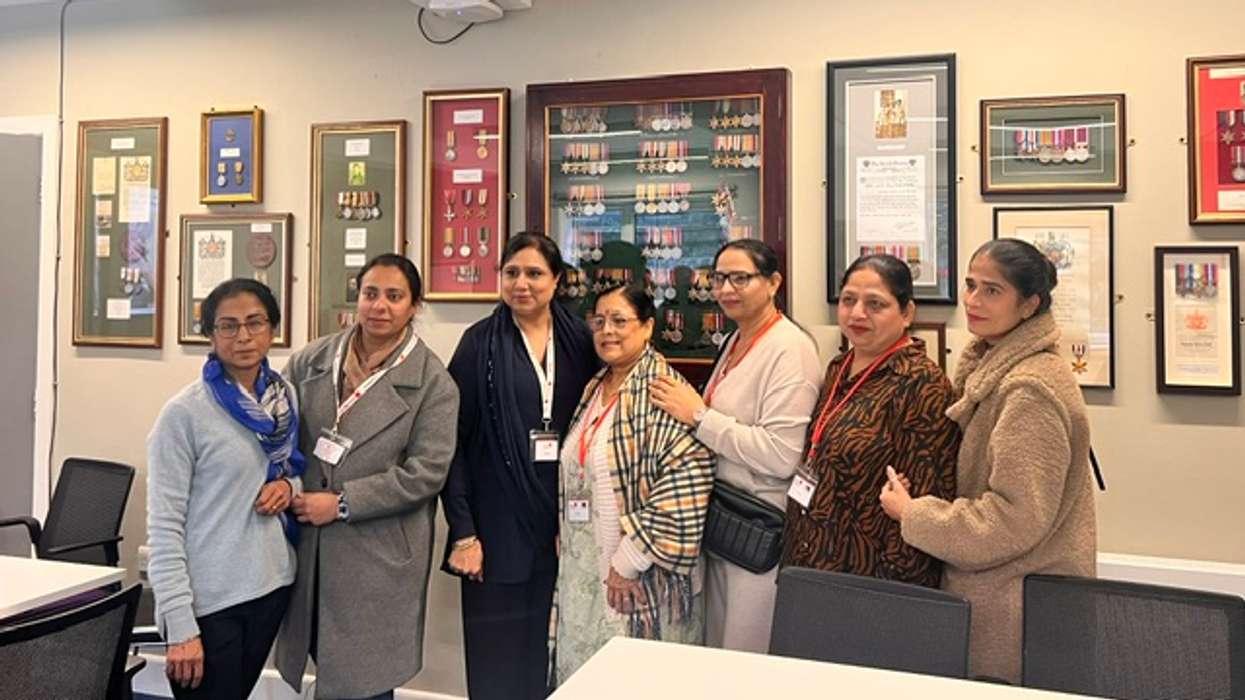
AN EVENT in Edinburgh, Scotland, on Tuesday (3) brought together members of Scotland's south Asian community to remember soldiers who served in the First and Second World Wars and highlight their contribution to Britain's military history.
Organised by British Future thinktank, the Royal British Legion (RBL) and Scottish heritage organisation Colourful Heritage, the event at Lady Haig's Poppy Factory was part of the Forgotten Army exhibition programme, which is touring locations across Scotland until 2027.
Created by artist Mahtab Hussain in partnership with the RBL, the exhibition documents the experiences of south Asian soldiers from different faith backgrounds, including Muslim, Sikh, Hindu and Gurkha communities.
Participants explored the exhibition, took part in a guided tour of the Poppy Factory and heard presentations on south Asian military heritage in Scotland. The programme also included a poppy-wreath-making activity and an opportunity for families to share stories of relatives who served in either war, a statement said.
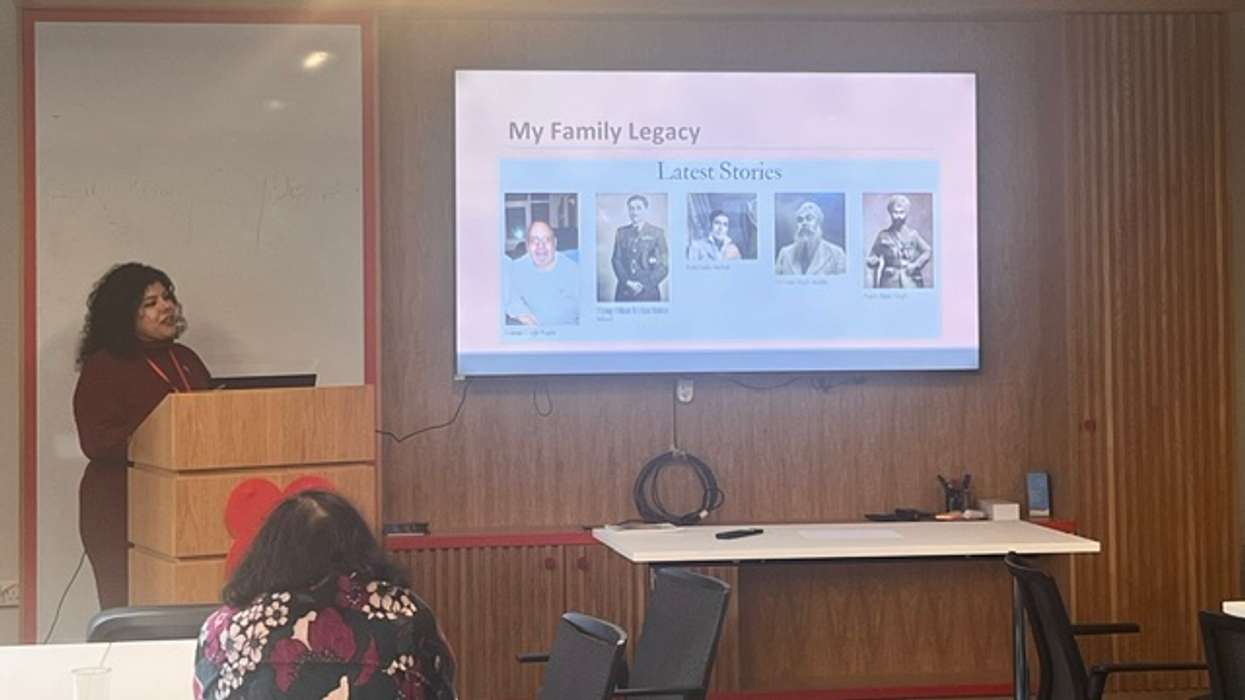 The My Family Legacy campaign aimed to help people 'discover, document, and share their family stories'British Future
It also highlighted the My Family Legacy campaign, which encourages south Asians to research their family histories and document the service and sacrifice of their ancestors.
Sunder Katwala, director of British Future, said south Asian soldiers had formed the largest volunteer army in history and that their contribution needed greater recognition in Britain's national story.
“As we mark this Remembrance Sunday, we must never forget what we all owe to those who stood against fascism and won the Second World War,” he said.
“Ensuring their immense contribution is fully recognised in our national story remains vital work still in progress.”
Katwala said the My Family Legacy campaign aimed to help people “discover, document, and share their family stories of courage, contribution, service, and sacrifice in the world wars”.
He added that recognising these histories could help bring together modern, diverse Britain through shared traditions of remembrance.
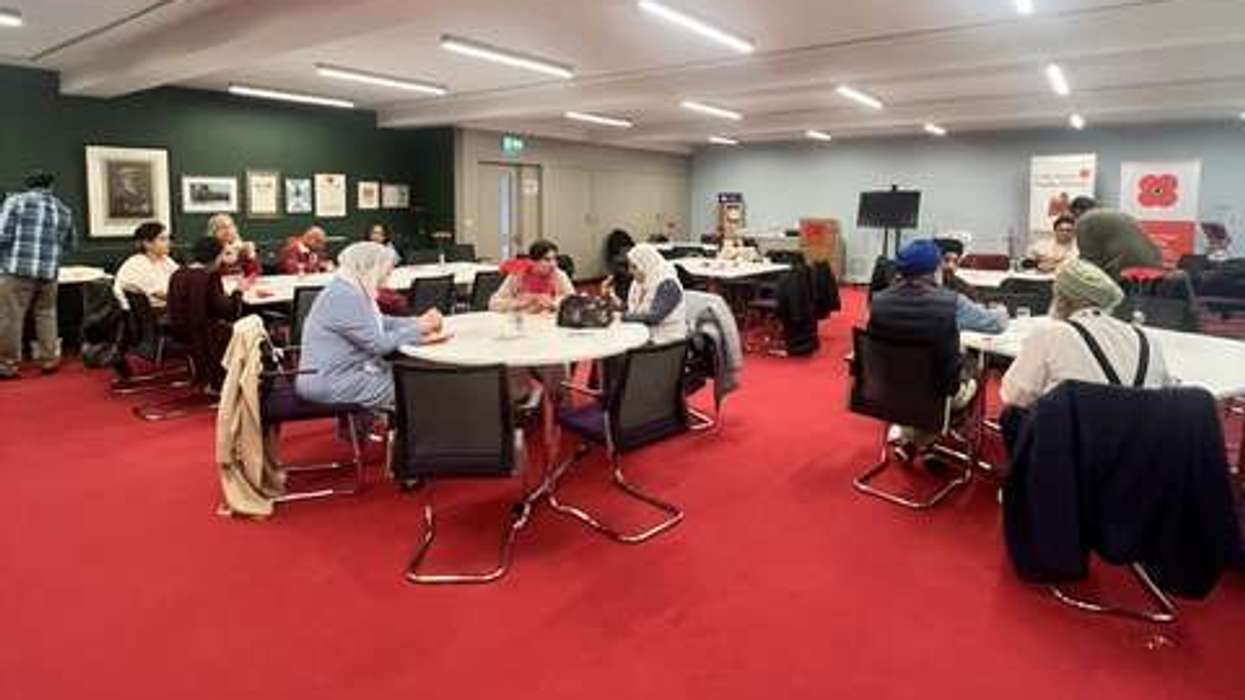 Organisers said the programme aimed to make remembrance more inclusiveBritish Future
Dr Saqib Razzaq, head of research at Colourful Heritage, said the exhibition tour offered an opportunity to recognise the service of four million south Asian soldiers from Sikh, Muslim and Hindu communities who helped shape Britain's history during the two World Wars.
“Their story is not just a South Asian story or a military story; it is part of Scotland's shared history,” he said.
Razzaq said taking these histories to audiences across Scotland would help ensure the soldiers' contributions were remembered and passed on to future generations.
Families of those who served also attended the event, sharing personal accounts and reflecting on the legacy of south Asian military service across generations.