
- DWP outage is the latest in a string of UK cyber incidents
- Marks & Spencer, the Co-op and the British Library among those hit in recent years
- Experts cite outdated IT, software flaws and AI-powered attacks
- National Cyber Security Centre warns of an "unprecedented rise" in incidents
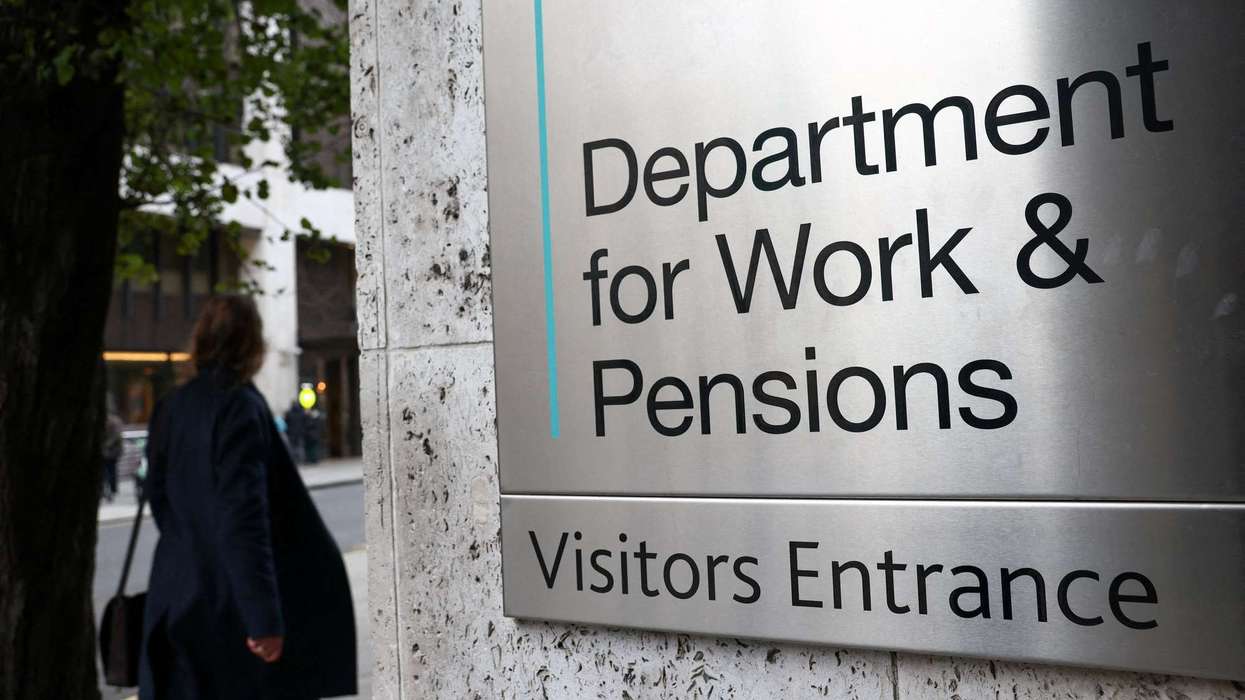
FROM Marks & Spencer to the British Library, British organisations have been hit by a string of cyber incidents in recent years. Now the Department for Work and Pensions (DWP) has joined the list.
Millions of people have been unable to access online benefits and pensions services since Friday, after what Work and Pensions Secretary Pat McFadden called "a serious cyber incident". The cause has not been confirmed.
Kanishka Narayan calls for stronger UK cyber defences against AI threats
David Knott, the UK's former chief technology officer, told BBC Newsnight his "strong suspicion" was that it was an attack.
A long list of victims
The DWP follows a series of UK organisations hit by cyber incidents, some of which suffered months of disruption. They include Marks & Spencer, the Co-op, Jaguar Land Rover, the British Library, the London Underground and a blood testing service.
Government services have been targeted before. In April 2025, attackers breached the Legal Aid Agency's online services and accessed a "significant amount" of personal data going back decades, the BBC reported.
Why is it happening?
There is no single cause. Major technology outages have hit organisations worldwide in recent months, including a Microsoft outage, the grounding of all US flights and disruption at major American banks.
DWP cyber incident: What happens to Universal Credit, PIP and pension services?
Some were caused by upgrades going wrong. Experts also point to outdated IT systems, which can be harder to secure, and to software flaws. Last month, the government checked several of its websites after a flaw was found in PHP, a programming language used around the world, prompting a global race to fix it before hackers could exploit it.
The AI factor
Artificial intelligence is adding to the risk. Earlier this month, the National Cyber Security Centre urged organisations to strengthen their defences as AI becomes more capable.
Its chief executive, Richard Horne, warned of a "real prospect of an unprecedented rise in the number of cyber incidents".
What it means for the DWP
The government says there is no evidence personal data has been lost in the DWP incident, but it has not ruled out a "malicious actor". No date has been given for when services will be restored.