
Highlights
- Net migration fell to 77,000 in the year to June, its lowest level since 1997 outside the pandemic.
- The figure represents a 90 per cent drop from the record peak of 944,000 in 2023.
- Asylum claims fell by more than a fifth to 73,000 but remain above pre-2021 levels
- Economists warn that sustained falls in migration could reduce the workforce, economic growth and tax revenues.
NET migration to the UK has fallen to 77,000 in the year ending June 2026, its lowest level since 1997 outside the Covid-19 pandemic, according to provisional figures released by the Office for National Statistics (ONS) on Thursday (26). It represents a decline of more than 90 per cent from the peak of over 900,000 recorded in 2023, prompting fresh debate over immigration policy, the economy and Britain's ability to attract international workers and students.
The latest estimates show that 738,000 people arrived in the UK to live long-term during the year, while 661,000 left. Although the number of people emigrating has increased since 2022, the ONS described the latest departure figure as broadly stable compared with the previous year. Immigration, meanwhile, fell by 17 per cent, continuing a downward trend from its March 2023 peak.
British nationals recorded a net migration figure of minus 137,000, the largest net loss since comparable records began in the year ending June 2021. Around 245,000 British citizens emigrated, compared with 109,000 who returned or arrived in the UK.
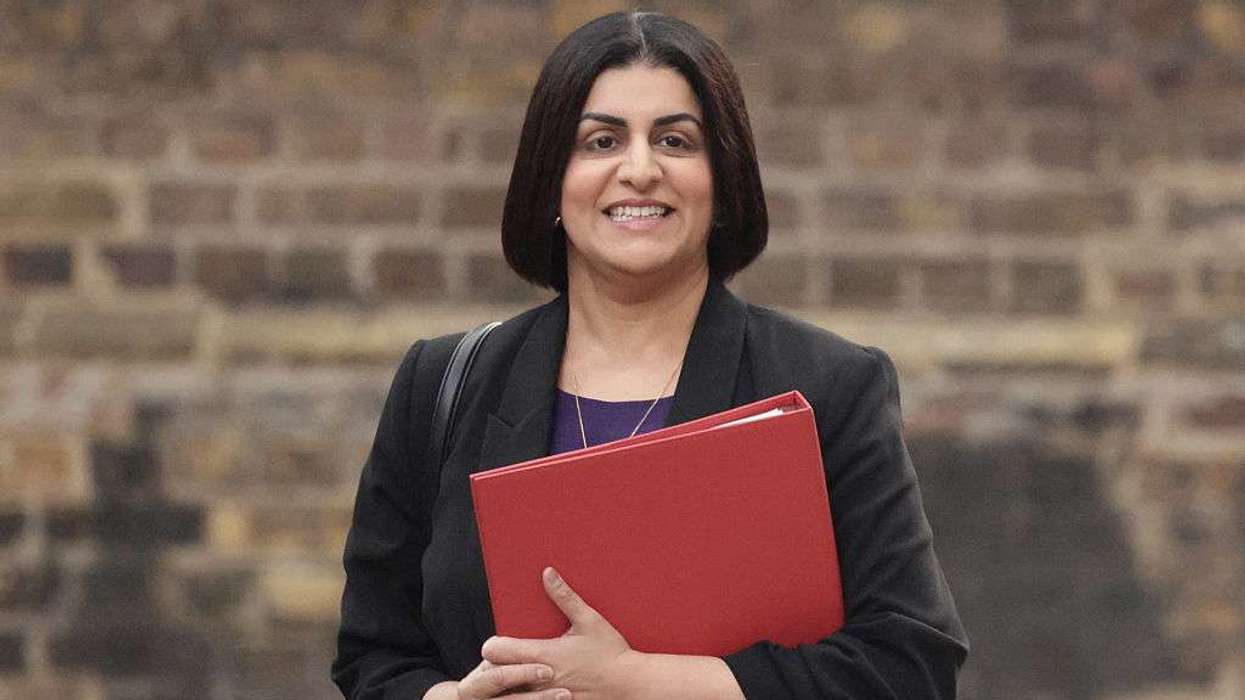
Home secretary Shabana Mahmood, said the government had regained control of the immigration system, but stressed that further changes were needed to make it fairer.
"We won't stop here," she said. "Our reforms are restoring control and building a fairer immigration system that rewards contribution."
According to data, Indian nationals remained the largest group of non-EU arrivals, accounting for 123,000 people, including 77,000 who came to study. Chinese nationals accounted for 51,000 arrivals, followed by Nigerians at 43,000 and Pakistanis at 40,000.
Sunder Katwala, director of British Future, said the latest figures would surprise much of the public, who still believed immigration was rising. He said the political and media debate needed to catch up with the changing picture and focus on what happens next.
“With numbers expected to keep falling, the government needs to ask what a sustainable level of immigration is, and how it will achieve it,” he said.
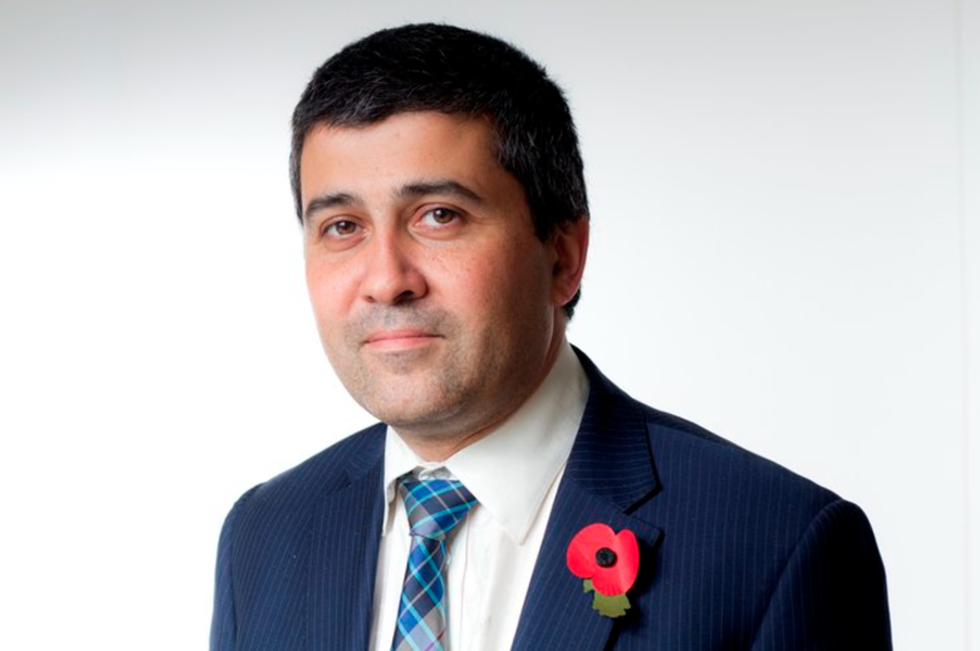 Sunder Katwala www.easterneye.biz
Katwala called for parties to commit to an annual “immigration budget” process setting out trends, expectations and policy choices.
He suggested Andy Burnham’s Labour government could aim for a net migration ceiling of 250,000, but said the UK should also consider a medium-term target of stabilising net migration at a minimum of 100,000 to avoid population decline.
“Reform and the Conservatives, who want net emigration, should set out what they would cut and how to manage the impacts,” he added.
Political parties call for different approaches
The decline has renewed calls for tighter immigration controls from the Conservatives.
Chris Philp, the shadow home secretary, said the fall in net migration was largely due to changes introduced by the previous Conservative government. He called for a legally binding annual cap, set by Parliament, at a much lower level.
Blaming Labour’s high taxes for the departure of British and European workers, he said non-EU immigration remained too high and was putting pressure on wages, public services and housing.
“Mass low-skilled immigration must end completely as it is bad for our economy and corrosive to our society,” he said.
Philp also criticised Labour’s changes to indefinite leave to remain, claiming they could allow low-skilled migrants to secure permanent settlement, benefits and citizenship earlier.
He said the Conservatives would withdraw settlement from those not making a contribution and require them to leave.
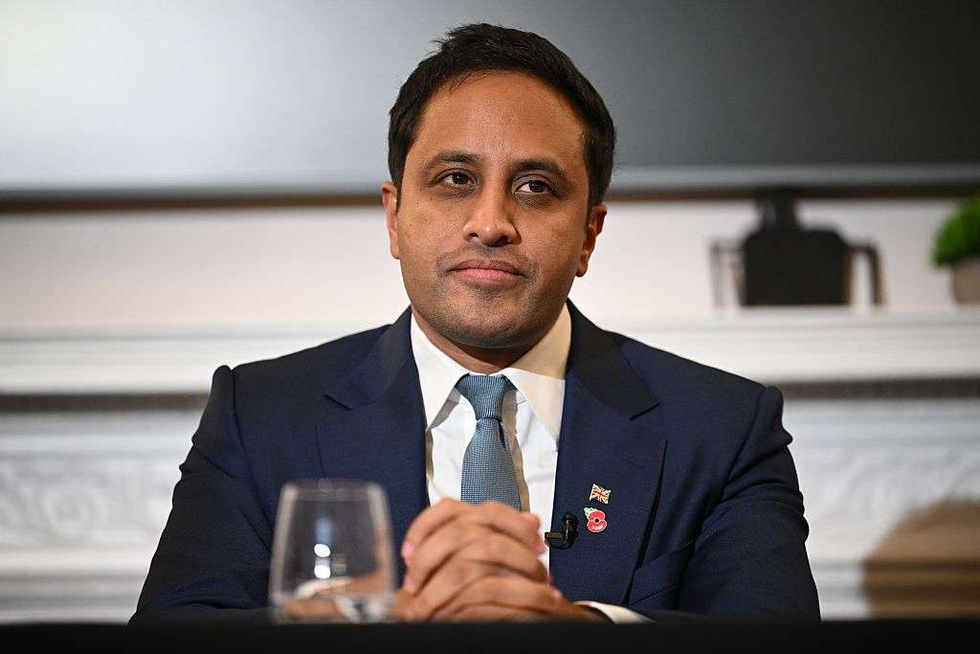 Reform UK spokesperson for home affairs, Zia Yusuf, attends a press conference with Leader of Reform UK Nigel Farage at The Clermont London Hotel on November 2, 2026 in London, United Kingdom. (Photo by Ben Montgomery/Getty Images)
Reform UK's home affairs spokesman Zia Yusuf also rejected the idea that the latest figures were a reason to celebrate. He linked previous high levels of immigration to pressures on GP appointments, housing and prisons, calling for the deportation of people who arrived illegally and net negative migration.
However, the Institute for Public Policy Research (IPPR) offered a different interpretation. Its associate director for migration, trade and communities, Marley Morris, said the figures demonstrated that the UK had regained control over immigration through policy measures introduced by successive governments over the past three years.
Morris cautioned against going too far with restrictions, arguing that the country's plans to reindustrialise would require an immigration system capable of attracting workers essential to its industrial strategy. He also highlighted the importance of maintaining a competitive international student system to support universities and Britain's education sector as an export industry.
Universities raise concerns over falling student numbers
The latest migration figures come alongside a continuing decline in international student visa grants. Home Office figures show that sponsored study visa grants fell by 23 per cent in the year to September 2026 compared with the previous year, reaching 335,801.
The Russell Group, which represents 24 leading universities across the UK, said it was closely monitoring the increase in visa refusals.
Its policy manager, Zaid Kadhum, said international students contribute to local employment, businesses and the global competitiveness of British universities. While acknowledging the importance of a robust immigration system, he warned that decisions must be fair and transparent so that genuine students are not discouraged from choosing the UK.
The figures also showed that asylum contributed a net 68,000 people to the UK population, compared with 50,000 from all work routes combined. Meanwhile, 75,000 dependants arrived on work visas, exceeding the 60,000 main applicants.
Why are British nationals leaving?
The emigration figures also highlight the experiences of British citizens seeking better living conditions overseas.
Jade Thompson, a society reporter, spoke to Alysha, 29, from Leeds, who moved to Malaysia's Langkawi island in May after becoming frustrated with the UK's cost of living.
Before relocating, Alysha worked across several jobs, including creative management and special effects make-up, often spending 12 to 13 hours a day away from home. She said she had previously spent around £1,400 a month on rent and bills. In Malaysia, her rent is approximately £190, and she rarely spends more than £10 a day.
 The decline has renewed calls for tighter immigration controls from the Conservatives. iStock
Alysha said the lower cost of living, better weather and perceived improvements in safety had given her a better quality of life. Although she misses family and friends, she does not currently see herself returning to live in the UK.
Experts say the composition of migration matters
Dr Ben Brindle, a senior researcher at the University of Oxford's Migration Observatory, said the UK was entering an unusual period in which immigration had fallen while emigration remained relatively high.
He noted that many people leaving were non-British nationals who had arrived during earlier periods of high immigration. Their departure could push net migration lower in the next set of figures, although he cautioned that the decline might not last.
Brindle argued that the economic consequences of falling migration depended more on who was no longer coming to the UK than on the overall number. While lower asylum migration could benefit public finances, a reduction in skilled workers could carry a fiscal cost.
Meanwhile, British Future's Immigration Attitudes Tracker, published in May 2026, found that only 16 per cent of respondents believed migration had fallen over the previous year, while 49 per cent thought it had increased. Around 51 per cent expected migration to rise again the following year.
Settlement figures add another dimension
Despite falling net migration, grants of indefinite leave to remain (ILR) have increased. More than 240,000 people were granted settlement between October 2025 and September 2026, representing an increase of over half compared with the previous year and the highest level in 15 years.
The government is planning changes that would require most migrants to wait longer before qualifying for settlement.
(with inputs from agencies)