
Highlights
- NDAs can no longer silence workers over harassment or discrimination from January
- Colleagues who witnessed abuse are protected too
- Freelancers and fans are not covered, minister admits
- Move follows Russell Brand's jailing for rape and sexual assault
EMPLOYEES who have been harassed or discriminated against at work will be free to speak out from January, even if they have signed a non-disclosure agreement (NDA).
The government has brought forward restrictions on so-called gagging orders, which campaigners say have long been used to protect powerful people and keep victims quiet. The changes will come into force under two laws covering employment rights and victims and courts.
From January, "strict limits on NDAs will mean victims of crime have complete freedom over who they speak to, even if they sign one", a statement from prime minister Andy Burnham's office said late on Tuesday (24). "This could include the police, family, friends, victims' services or even the media," it added.
What is changing?
Under the Employment Rights Act 2025, an NDA between an employer and a worker will be void if it tries to stop the worker speaking out about harassment or discrimination, or about how the employer dealt with a complaint.
The protection covers more than the victim. Colleagues who witnessed harassment or discrimination will also be able to speak without the risk of being sued.
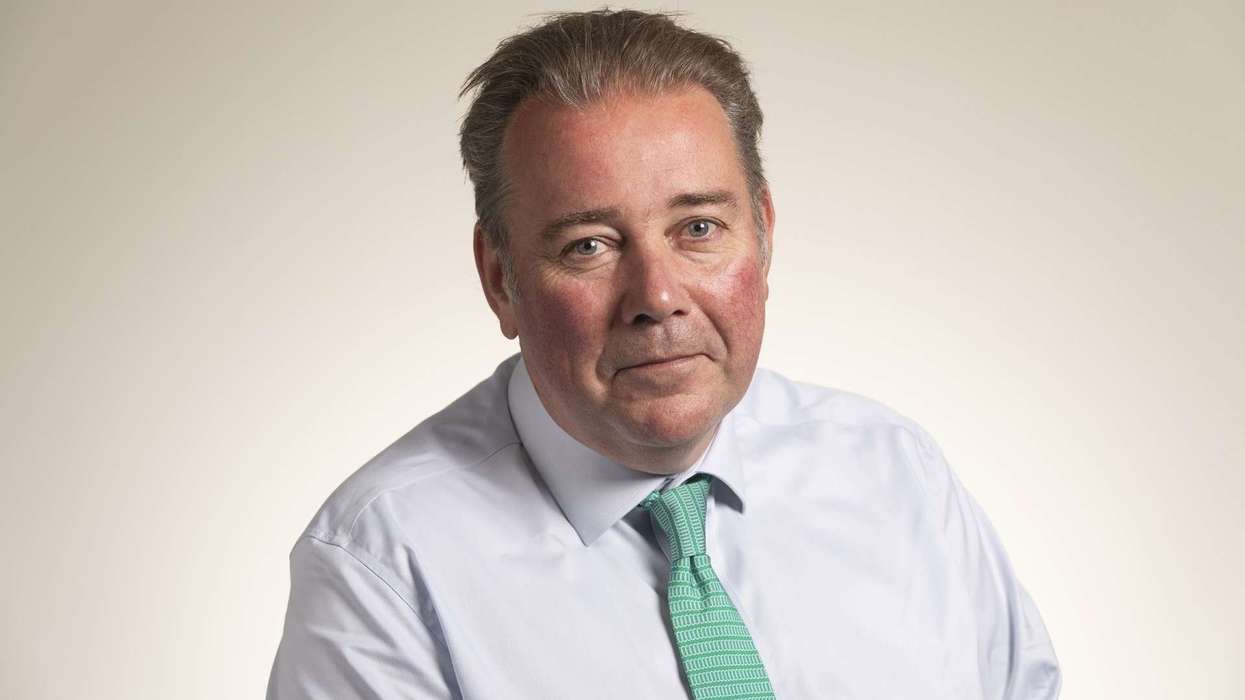
Women and equalities minister Bridget Phillipson said the changes meant women could no longer be "gagged if you're a victim of crime".
According to reports, clauses in existing NDAs will be voided where they are used to silence workers over harassment or discrimination, or to stop victims reporting crime. A government factsheet on the Employment Rights Act measure says it will not apply retrospectively.
Separately, NDAs signed on or after October 1, 2025, are already unenforceable under the Victims and Prisoners Act 2024 where they would stop a victim of crime reporting it or seeking support.
Who is not covered?
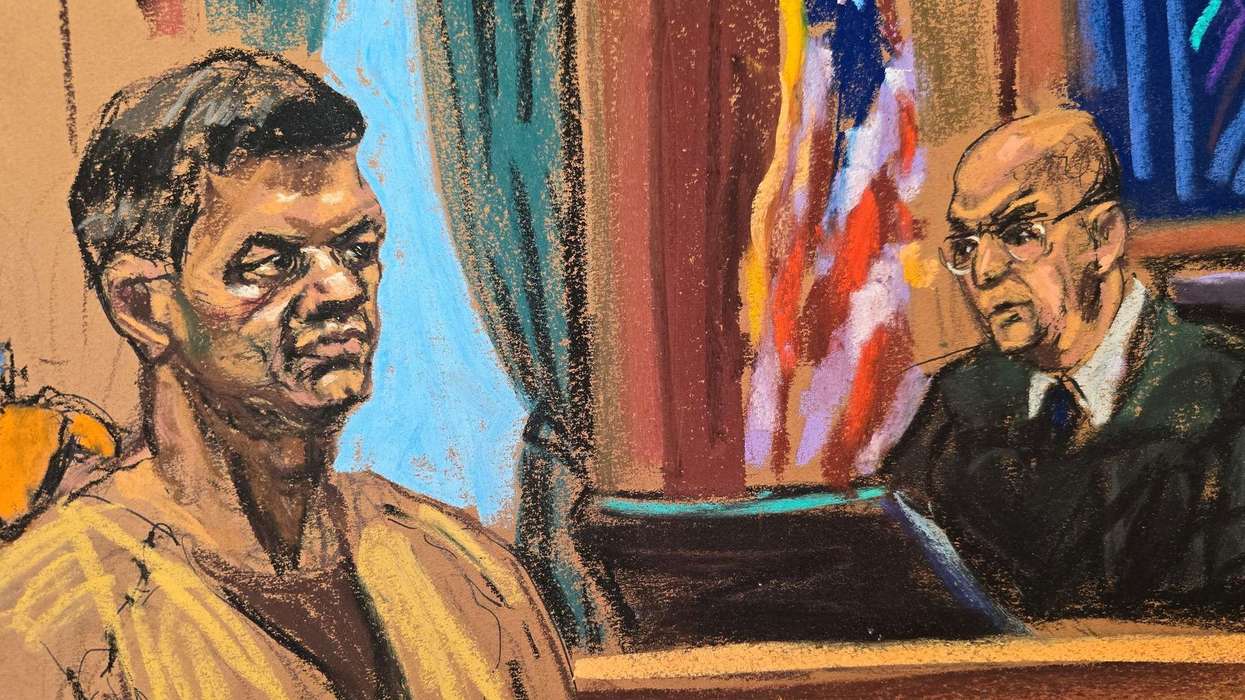
Phillipson conceded the reforms would "not cover freelancers or fans". That gap goes to the heart of the case that prompted the reforms. Comedian Russell Brand, who was jailed earlier this month for 10 years and six months, was convicted of raping a fan.
"We recognise that's a gap," Phillipson said, adding that the government would respond.
The exclusion could matter to many British Asian workers in freelance and gig roles, including in media, the arts and entertainment.
Brand's conviction for rape and sexual assault reignited concerns about how hard it is for women to come forward with complaints against rich and powerful men.
Campaigners have pushed for a ban since the #MeToo movement, when Harvey Weinstein's former assistant Zelda Perkins broke her NDA to speak out.
What does it mean for employers?
Businesses, including family-run firms, will need to review how they settle harassment and discrimination complaints. Some lawyers have warned that settlements could become harder to reach if employers can no longer count on confidentiality.
Not every NDA will be banned. The government is consulting on conditions under which some agreements could still be valid, such as when they cover only past incidents and all parties have a written copy.
The rules take effect in January. Ministers have yet to set out how they will close the gap for freelancers, and the outcome of the consultation on which NDAs remain valid is still awaited.
(with inputs from AFP)