

There’s something quietly comforting about colour on a screen.
After a full day of messages, work, travel and household jobs, plenty of us reach for light digital entertainment that feels familiar rather than demanding. It might be an old comedy on a streaming service, a bright puzzle on a phone, a music playlist that takes you straight back to a particular family gathering, or a group chat full of affectionate teasing.
For many British Asian adults, those small moments sit naturally alongside busy home life and community routines. Entertainment is often shared, even when everyone’s in different places. Someone recommends a series. A cousin sends a song. A friend mentions a colourful game they saw while waiting for the train. These touchpoints can be tiny, but they help make everyday life feel connected.
The appeal isn’t only about filling spare time. It’s about familiarity, humour and a little visual warmth.
A bit of colour can lift an ordinary evening
British homes can be wonderfully busy places. There may be dinner to finish, relatives to call, plans to arrange and a dozen tabs open on a phone. In between all that, low-pressure digital leisure has found its place.
Colour matters more than we sometimes admit. Bold pinks, warm yellows, jewel tones and playful patterns can make a screen feel less clinical. They can remind us of celebration, packaging from long ago, festive decorations, favourite sweets from the corner shop, or the bright artwork that once caught our eye on a family outing.
That doesn’t mean every bit of digital entertainment needs to be loud. Quite the opposite. A cheerful visual style can make something feel approachable and easy to pick up for a few minutes, without requiring a major commitment.
Many adults build these small pauses into the day:
- Watching an episode while dinner is cooking
- Reading an article or listening to a short podcast during a commute
- Catching up on messages after a family call
- Listening to old favourites while sorting the kitchen
- Saving a film for a relaxed weekend evening
The point is choice. Casual entertainment works best when it fits around life, rather than demanding that life fits around it.
It also reflects the wider mix of influences that shapes Britain. As the history of UK culture shows, the country’s cultural identity has long been formed by overlapping traditions, migration and shared media. In British Asian households, that mix may be especially visible in the everyday details: languages heard at home, programmes watched together, foods prepared for guests and jokes that only make sense to the family.
Why nostalgia still has such a strong pull
Nostalgia doesn’t have to mean wishing life would stand still. Often, it’s simply recognition.
A familiar colour palette, a retro typeface or a silly sound effect can bring back a feeling from years ago. Not necessarily a precise memory, either. Sometimes it’s the sense of a particular era: weekend television, a high-street arcade, family DVDs, magazines at the newsagent, or the early days of having a mobile phone that did more than make calls.
That sense of recognition travels well across generations. Older relatives might enjoy recalling what entertainment looked like in their youth, while adults now have the odd experience of seeing styles from their own past return in a new format.
There’s a reason so many familiar ideas keep reappearing:
- Bright visuals are easy to recognise. They stand out in a crowded feed and feel welcoming at a glance.
- Shared references make conversation easier. A remembered song, film line or television personality can get a room talking.
- Playfulness offers contrast. Adult life has enough admin already. Not everything on a screen needs to be serious.
- Familiarity can feel grounding. When routines are packed, something simple and recognisable can be a pleasant reset.
In many families, entertainment has always been social. That might mean watching a programme in the same room, discussing a storyline after dinner, or sending a recommendation to relatives elsewhere in the UK. Digital habits have changed the format, but not necessarily the instinct to share.
I find the most lasting entertainment is rarely the thing that asks the most of you. It’s the thing that gives you an easy way into a moment, then leaves you with something to mention to somebody else.
Making space for different kinds of leisure
Mobile-first leisure is now part of ordinary adult life. The phone is often the first place we check the weather, messages, travel updates, music and plans. It can also be where we watch, read, play or catch up.
That convenience is useful, but it helps to be intentional. If every spare second is automatically filled by scrolling, the phone can start to feel less like a choice and more like background noise.
A healthier approach doesn’t need to be strict or joyless. It can be as simple as noticing what you actually enjoy.
Try a few practical habits:
- Choose your entertainment before opening an app.
- Give different activities their own space.
- Keep some screen-free pauses.
- Notice your mood afterwards.
- Make social plans real where you can.
There’s no universal ideal amount of screen time for every adult. Work patterns, caring responsibilities, health and social life all differ. The useful question is whether your habits still leave room for sleep, relationships, movement and the things that matter to you offline.
A note on paid entertainment
Some forms of digital entertainment involve spending money, whether that’s a subscription, an in-app purchase, event tickets or gambling. There’s nothing complicated about the core principle: know what you’re choosing, know what it costs, and keep it within personal limits you’ve set in advance.
For paid play, a little pause before you begin can make all the difference.
Consider asking yourself:
- Am I old enough and eligible to use this service?
- Do I understand what I’m paying for?
- Have I set a clear limit for this activity?
- Would I still be comfortable with this choice tomorrow?
- Am I treating it as entertainment, rather than expecting it to solve a money problem?
For gambling in particular, it is important to remember that it should be entertainment, not a way to make money. UK adults who decide to gamble can use tools such as deposit limits, time reminders and breaks where these are offered. It’s also sensible to avoid making decisions when tired, upset or under pressure.
If gambling no longer feels manageable or enjoyable, support is available. GamCare provides information and support for people affected by gambling, while GambleAware offers advice and routes to further help. Taking a break or speaking to someone is a sensible step, not a failure.
Entertainment should add something pleasant to your routine. It shouldn’t become the centre of it.
Sponsored / Commercial disclosure
The following is a clearly labelled commercial reference for UK adults only. It is separate from the culture feature above and should be considered in line with the publisher’s current sponsored-content policy and the operator’s approved information.
For UK adults aged 18+ who choose to gamble, Rainbow Riches Casino’s Bouncy Bubbles is a rainbow-bright online-slot example; view the operator’s page at https://www.rainbowrichescasino.com/uk/online-slot....
This reference is descriptive, not a recommendation. Gambling is entertainment, not a way to make money. Only use licensed services where you are eligible in the UK, and consider support from GamCare or GambleAware if you need it.
 iStock
This article is paid content. It has been reviewed and edited by the Eastern Eye editorial team to meet our content standards.











 Dreamland heated throwAmazon
 Silentnight electricblanketAmazon
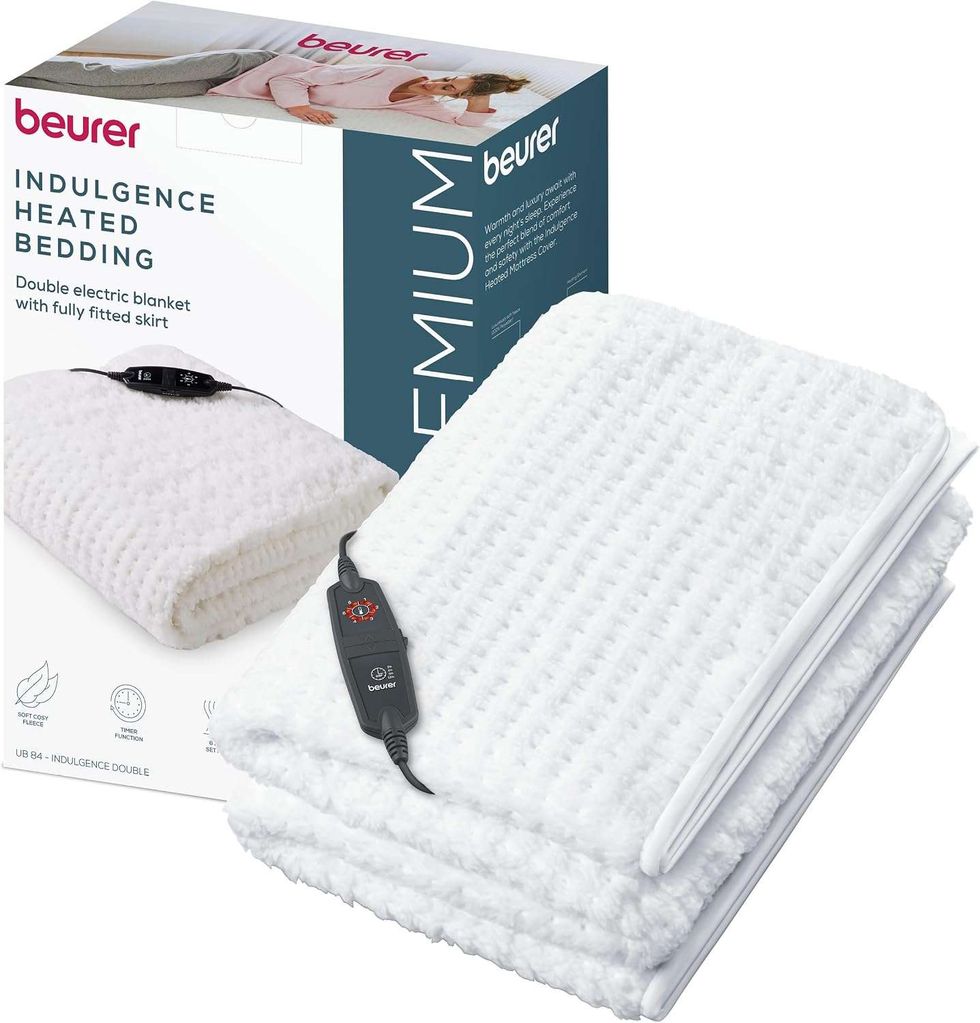
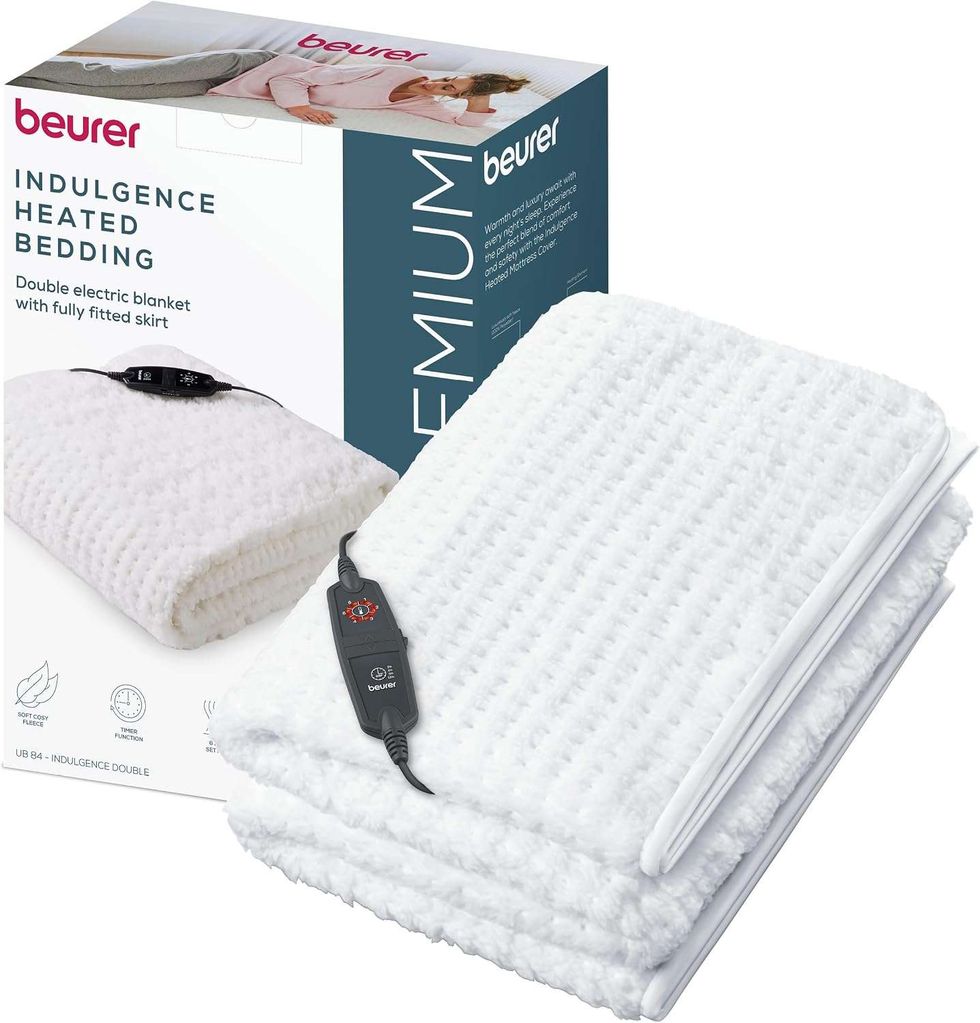 Beurer heated underblanketAmazon
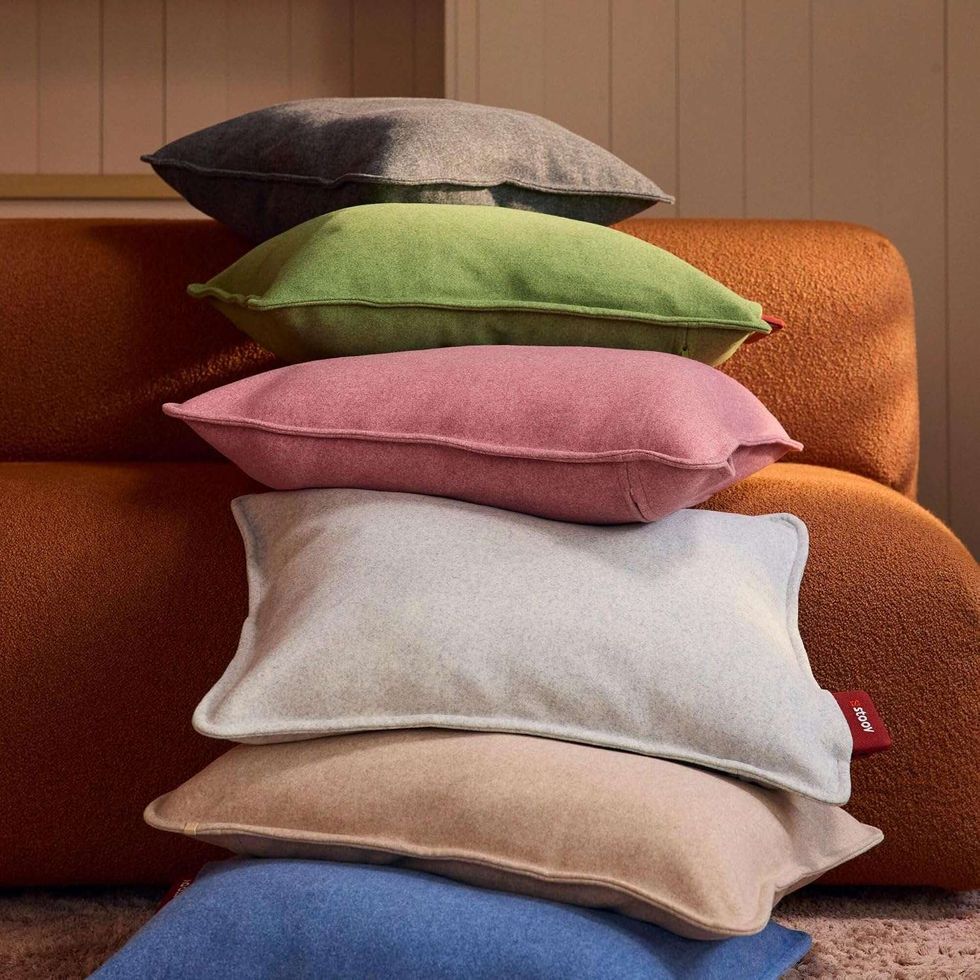
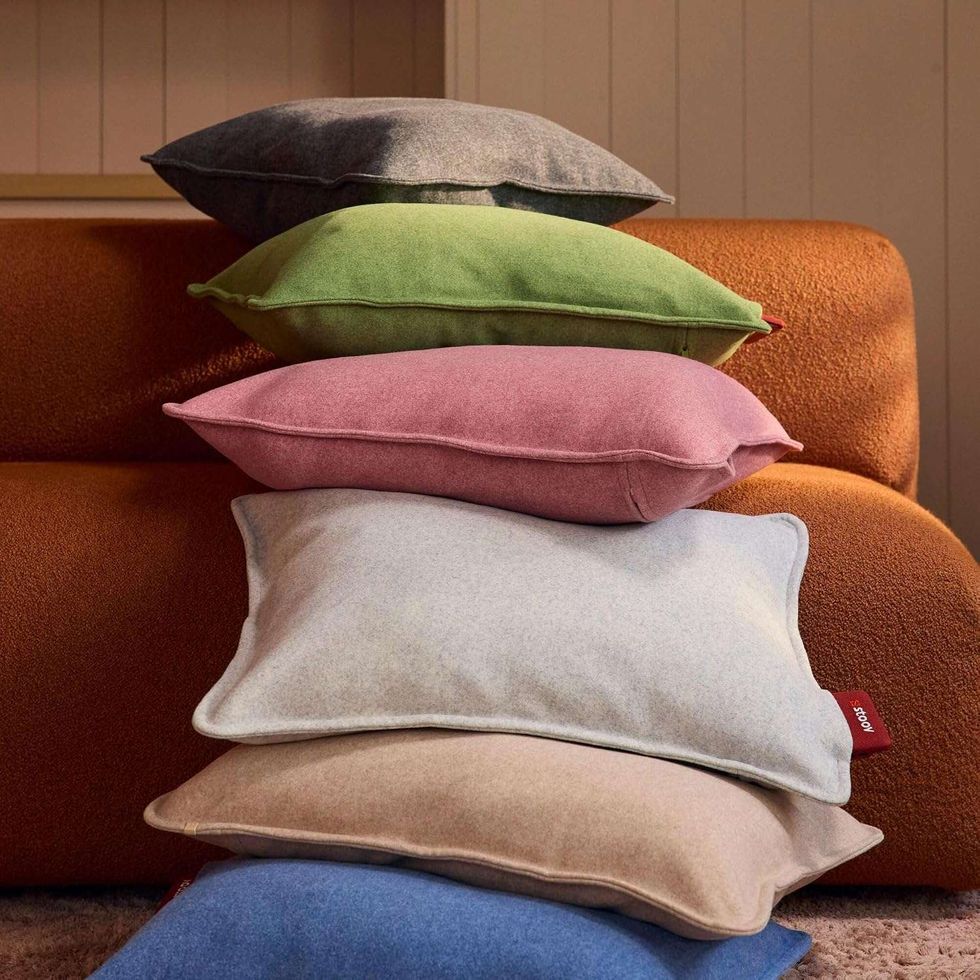 Stoov Ploov heated cushionAmazon
 Lakeland hot water bottleAmazon
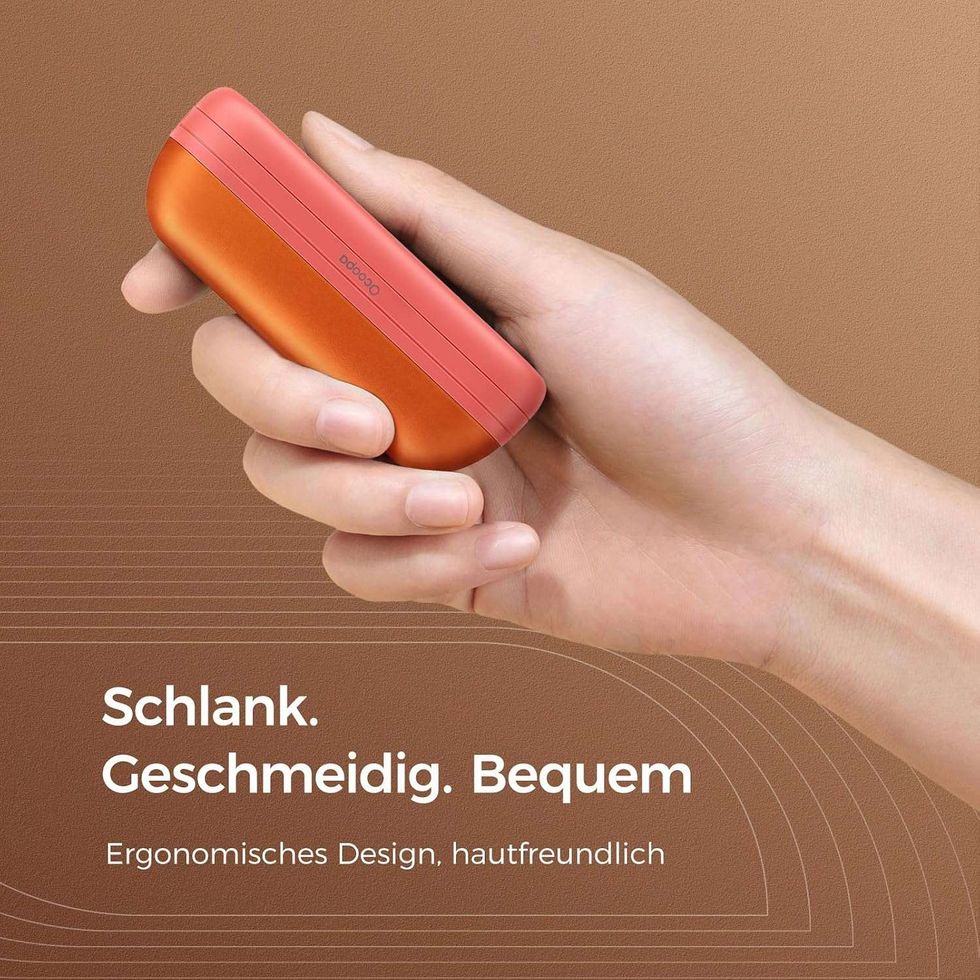
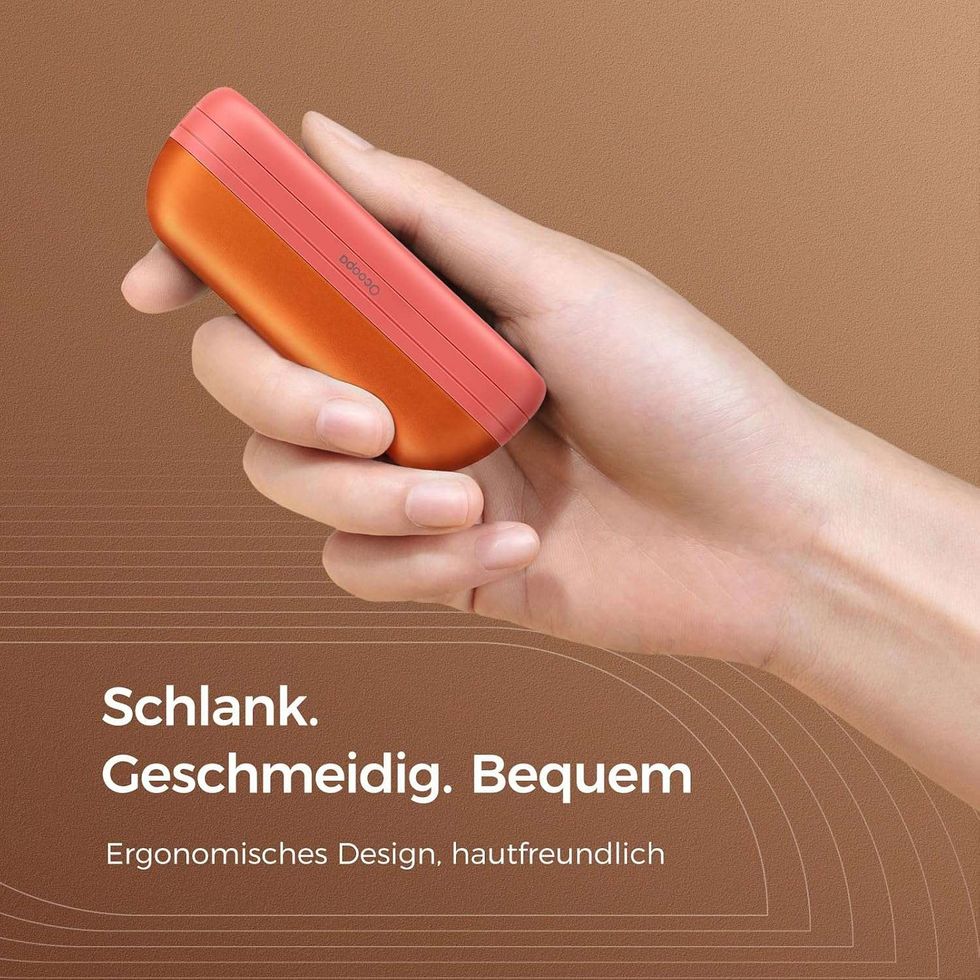 Ocoopa rechargeable handwarmerAmazon
 TheOodie wearable blanketAmazon
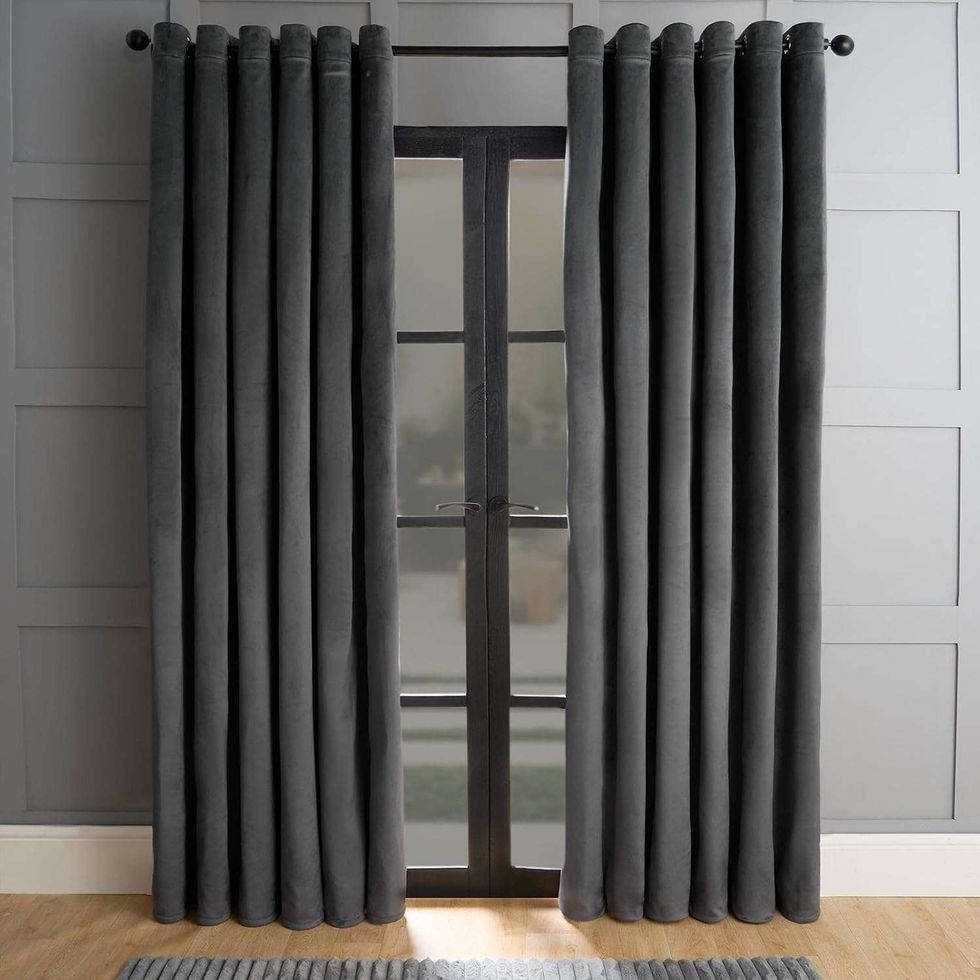
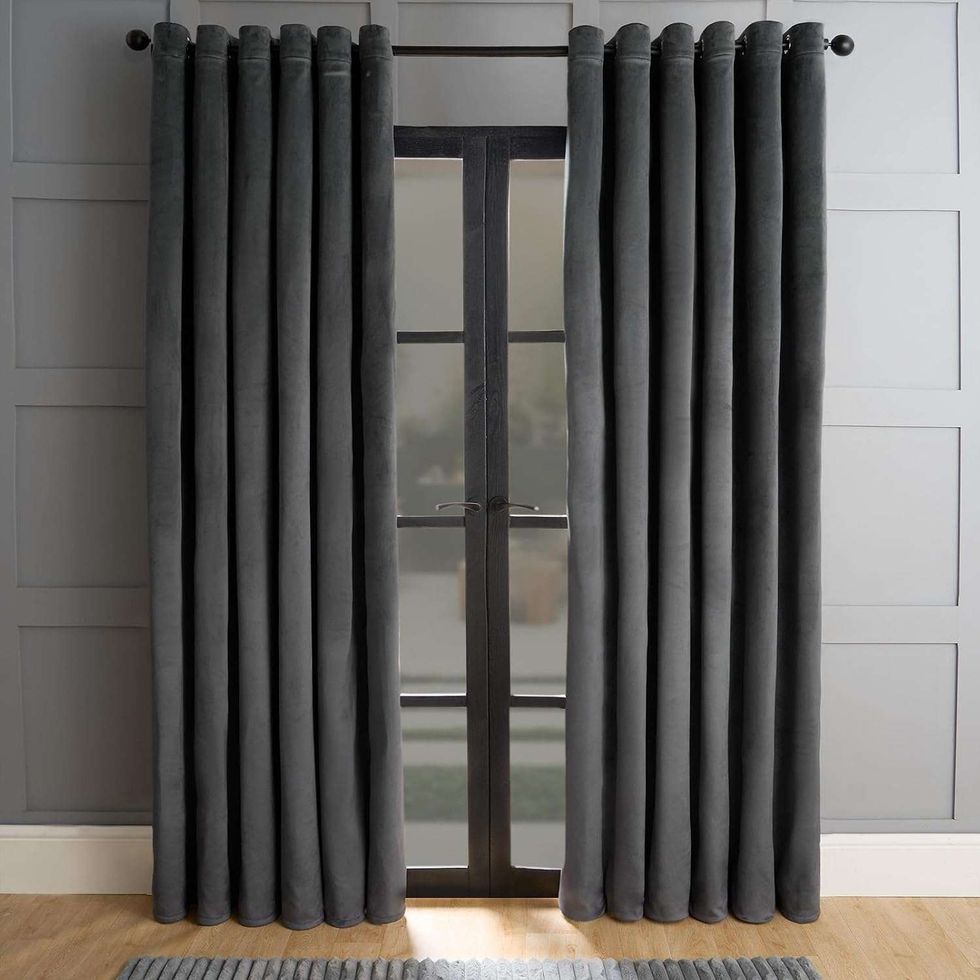 Dunelm fleece-lined thermalcurtainsAmazon
 Snuggledown thermal beddingAmazon
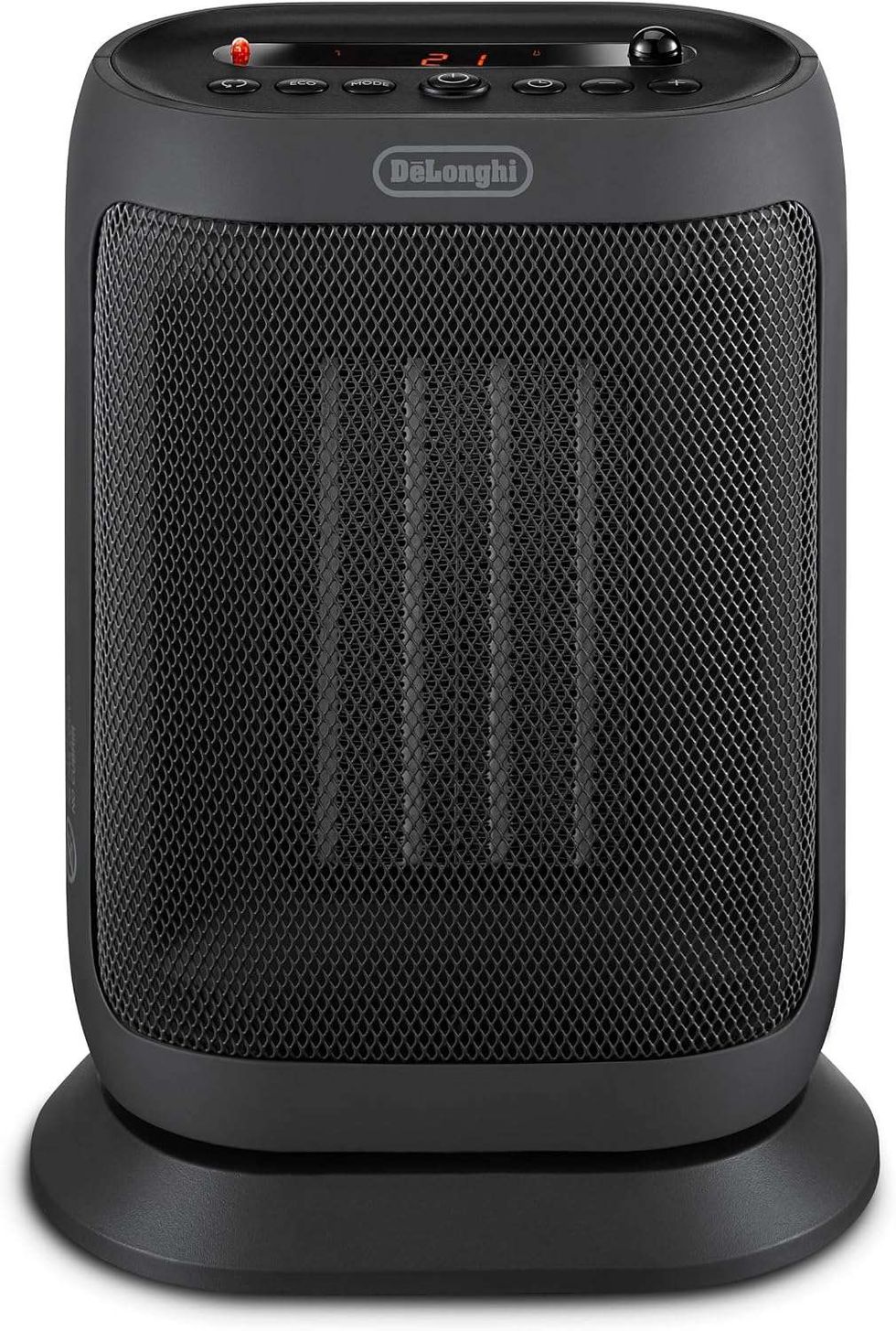
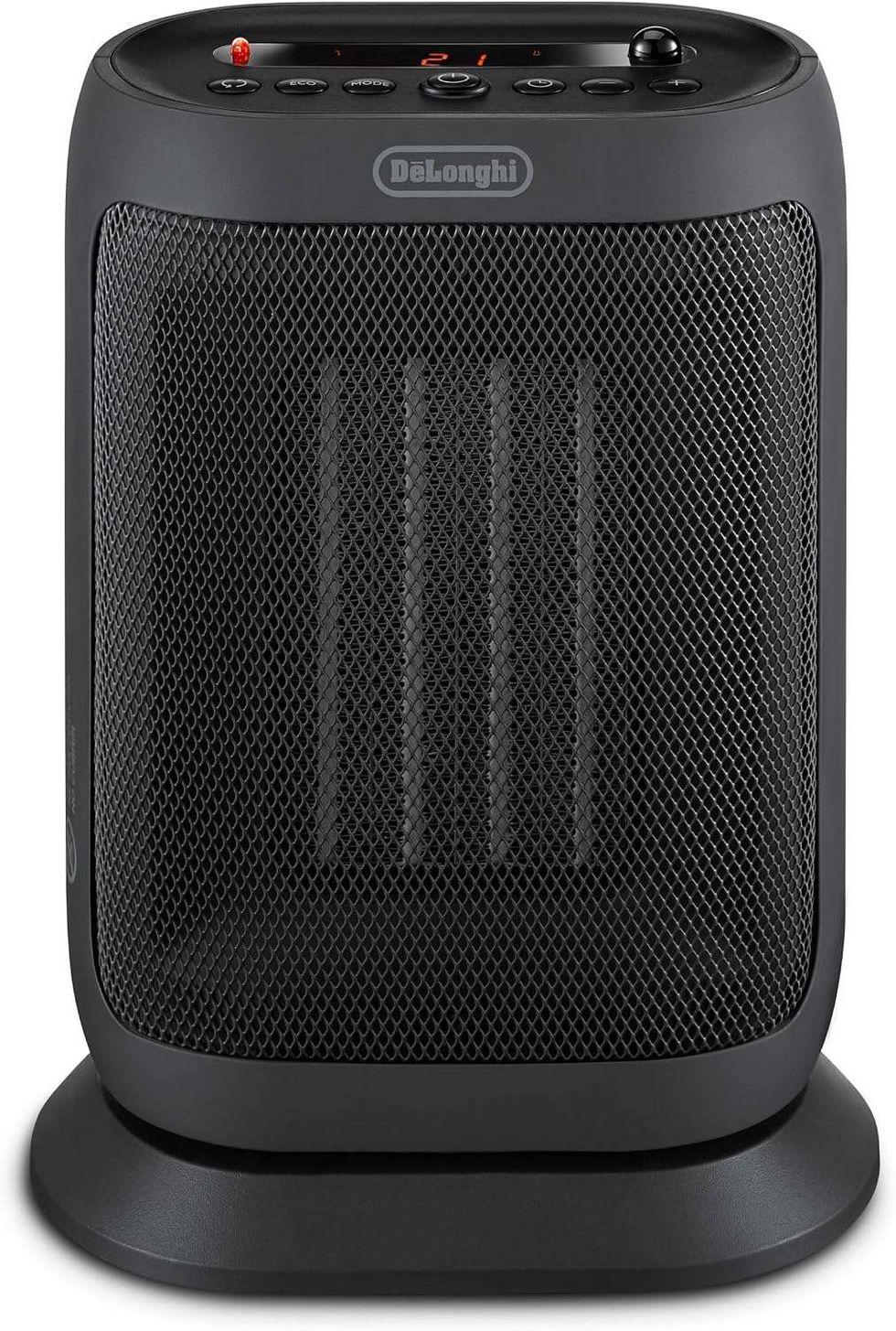 De’Longhi ceramic fanheaterAmazon