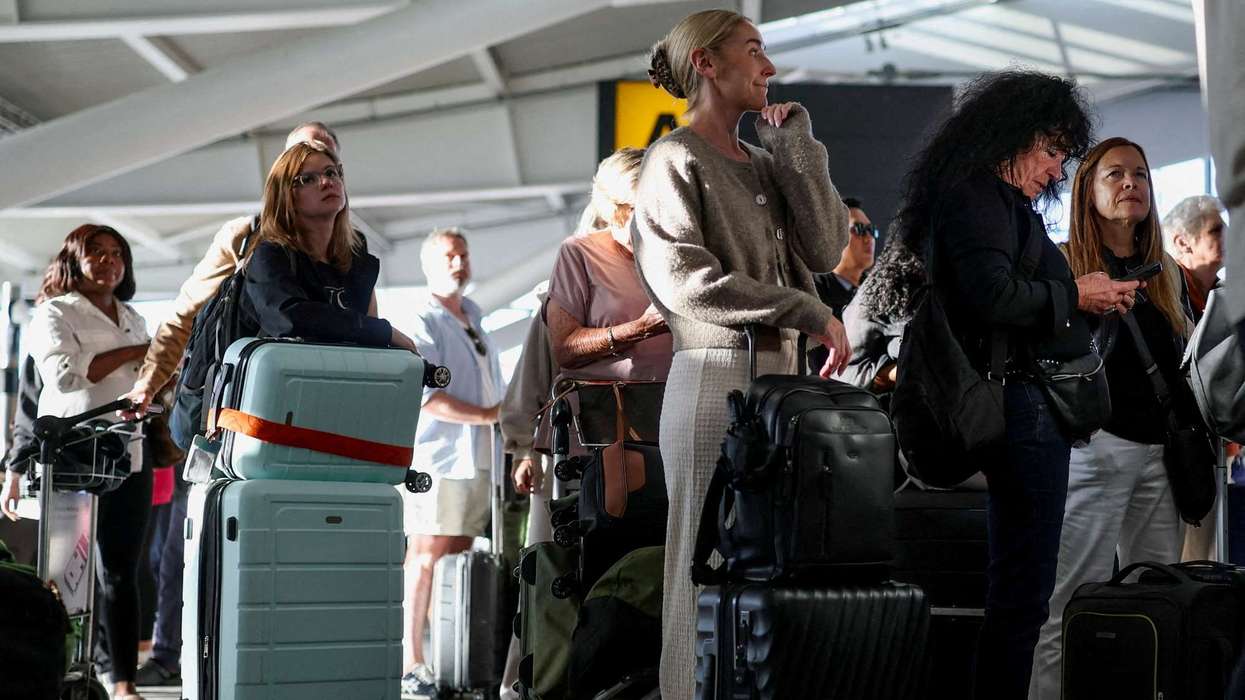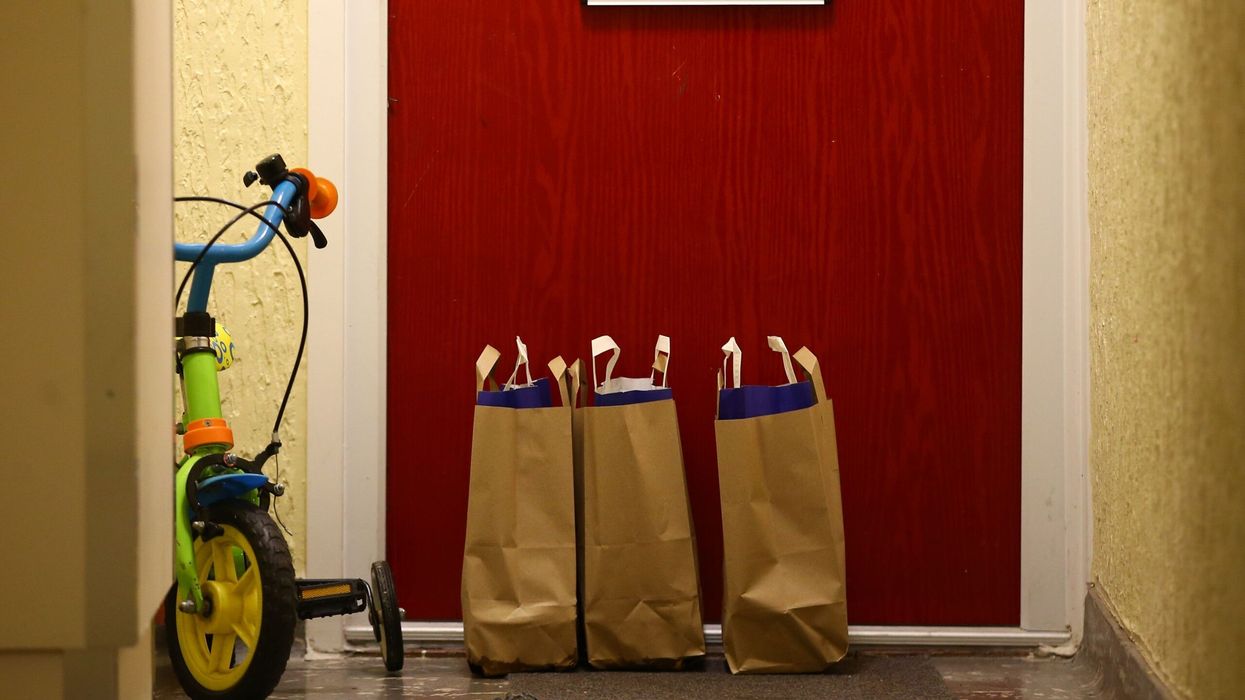

A NEW report has revealed that 9.3 million people in the UK, including three million children, are experiencing hunger and hardship. The study, published by the Trussell Trust on Wednesday, puts pressure on the Labour government to address rising child poverty.
The report comes ahead of the government's first budget later this month, amid a cost of living crisis that has increased reliance on food banks across the country.
According to the Trussell Trust, nearly one-quarter of children under four years old are living in extreme poverty. "Shockingly, 46 per cent more children are facing hunger and hardship than two decades ago. That equates to one in five children growing up trapped in this situation," the trust said in a statement.
A previous report by UNICEF highlighted the UK as having one of the highest rates of child poverty among developed nations, despite being the world’s sixth-largest economy.
The Trussell Trust has warned that without urgent intervention from Keir Starmer's government, the numbers of those living 25 per cent below the poverty line will continue to rise.
The charity defines the poverty line as £152 per week for a person living alone and £204 for a single parent with one child, factoring in essential costs like electricity, water, property taxes, and food.
The trust suggested that removing the two-child benefit cap, which prevents families from claiming state support for a third child born after April 2017, could help ease poverty. However, Labour has so far resisted calls to scrap the cap, despite opposition from campaigners, unions, and some of its own members.
Chancellor Rachel Reeves has said that the cap cannot be lifted in the upcoming 30 October budget, citing a £22 billion financial shortfall inherited from the previous Conservative government.
The two-child benefit cap has become a significant political issue. Last month, the policy was referenced in the resignation letter of Rosie Duffield, the first Labour MP to leave the party since it took power. She accused the government of hypocrisy for maintaining the cap while accepting luxury gifts from donors.
John McDonnell, a former Labour finance spokesman, has called the cap a "brutal attack on families" and urged the government to remove it. "Labour in government has a moral duty to end this child suffering. It is completely affordable and will save money by preventing ill health amongst poorer children," he said.
The cost of living crisis has been a central issue in recent years, leading to widespread industrial action by workers across various sectors, including health, education, and transportation.
Helen Barnard, director of policy, research and impact at the Trussell Trust, emphasised the urgency of the situation, stating, "We need urgent action on hunger in the UK because, if nothing changes, the number of people facing hunger and hardship will only increase."
(With inputs from AFP)