
THE Daily Mail will be “giddily elated – like a lottery winner” that it managed to secure the serialisation rights to Charles Spencer’s book, Swan Song: Diana, My Sister.
This would be even truer of the publisher, Michael Joseph, an imprint of Penguin, which has priced the hardback at £28.
The paper must have paid a tidy sum to Earl Spencer. He has also almost certainly received a handsome advance from the publisher, which will seek to recoup its investment.
One of the cardinal rules in journalism is “follow the money”. It would be good to know the sums involved. On Amazon, the book is already half price at £14. Within a few years, we will probably be able to pick it up in a charity shop for £1 or so. That is no reflection on the quality of the book, but it does mean the Daily Mail and Penguin will seek to sell as many copies as possible before public attention switches to something else.
We have enough dialogue to make a gripping episode of a royal soap such as The Crown in a couple of decades or so. In fact, it wouldn’t be too difficult to produce the script for a two-hander stage play within a week. It is the sort of play that would do well at the Bush.
There are several allegations in Spencer’s book, but one has provoked widespread comment.
After Diana’s death on August 31, 1997, King Charles, then the Prince of Wales, apparently “hissed” during a telephone call with Spencer: “Rest assured, we’ll forget her soon enough!”
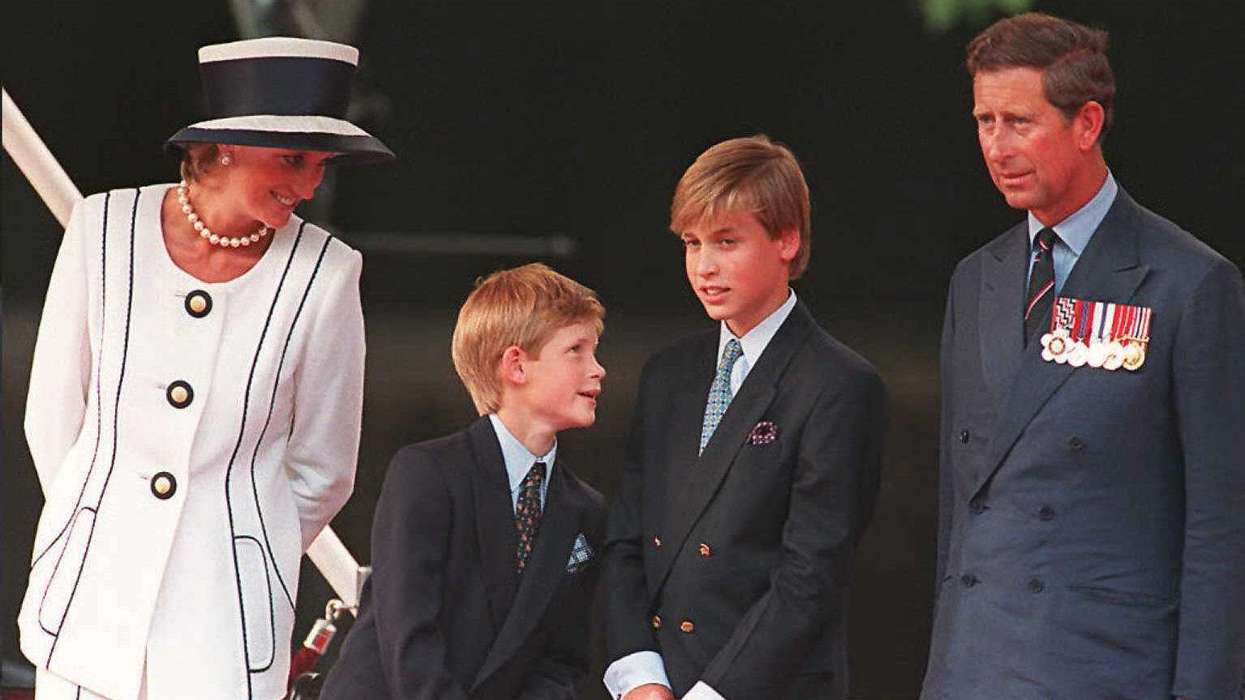
Spencer says he disagreed with the plan to make William and Harry, then 15 and 12, walk behind their mother’s cortege.
He makes another claim: the day before their 1981 wedding, Charles told Diana “she needed to know he was very happy to marry her, but he was not actually in love with her”. This was apparently relayed by Diana to a close friend.
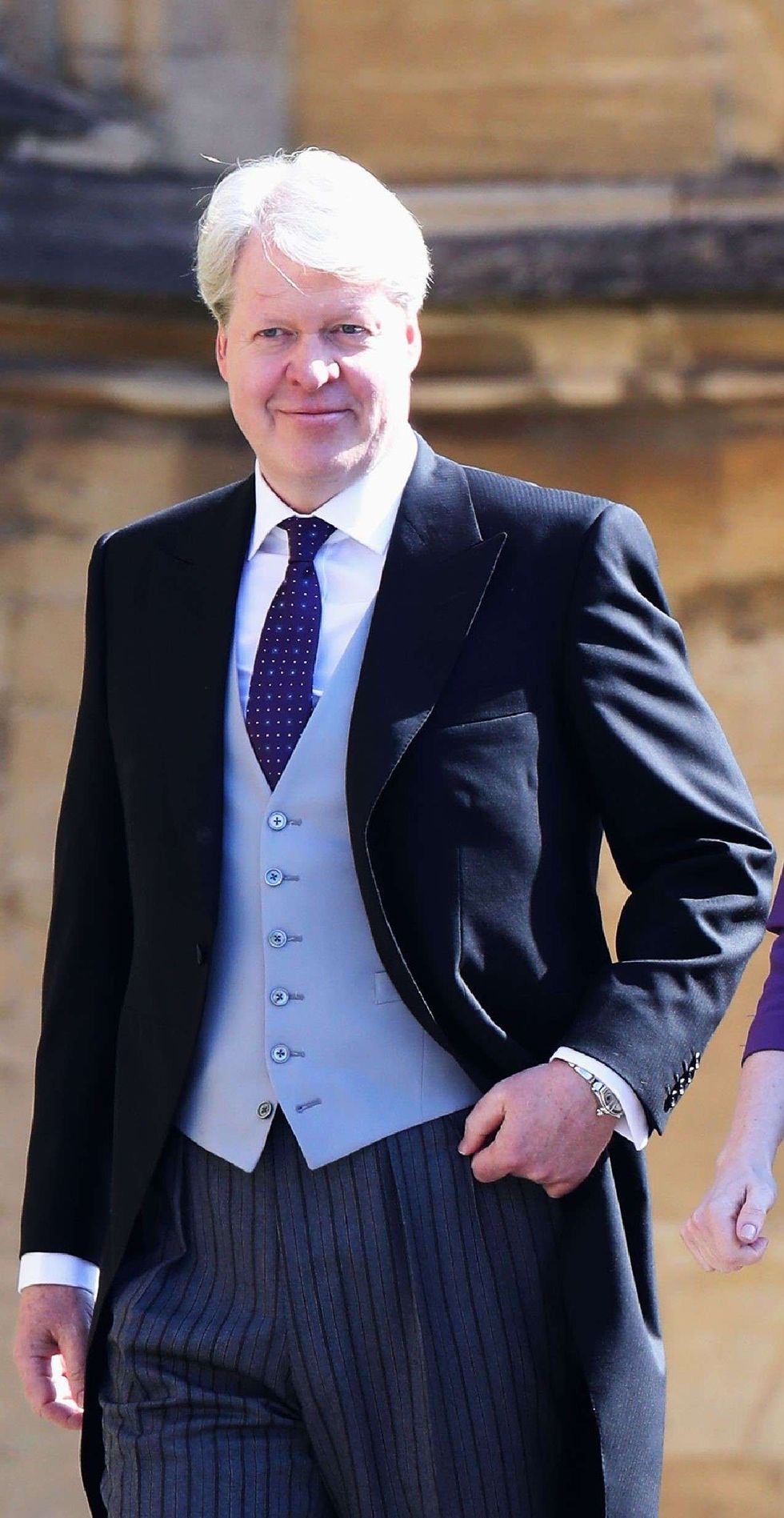 Charles SpencerChris Jackson/AFP via Getty Images
Four of my happiest years, I have to say, were on the Daily Mail, but that was when David English was editor. I have said this before, but to my mind, he was the greatest editor this country has produced.
The paper has changed a great deal since then, but, journalistically, it was a coup to serialise Spencer’s book. After all, people are talking about it, not just in the UK, but across the world. To that extent, the paper would be justified in feeling “giddily elated”.
The BBC has helped through Laura Kuenssberg’s interview with Earl Spencer, though he came across as more credible than Prince Andrew (who now sounds even more important with the double-barrelled surname Andrew Mountbatten-Windsor) did with Emily Maitlis (the latter interview has been turned into not one but two TV dramas).
Speaking to the BBC at his Althorp estate, Spencer said: “I’ve only ever had two calls on the line with Prince Charles at any stage of my life. I was hyper alert to what he was saying and those are precisely the words that he said and I promise that to you now. Genuinely, that is what he said. I don’t hear him saying he didn’t say that.”
Only two telephone conversations? That strikes me as odd.
After all, Charles and Diana were married for 15 years, from their wedding on July 29, 1981, until their divorce was finalised on August 28, 1996.
This suggests there has been a long-standing feud between the two men. Given that a number of commentators have come out in support of his allegations, Spencer will feel he has won the war.
Beyond the immediate controversy, does the book matter? Will it damage King Charles and the monarchy? Poor William and Harry have had to grow up without their mother. The book will add to their distress, even though Spencer has said he wants to protect his “blood family” through his sister, referring to his nephews.
Given the family feuding, I know Sanjeev Bhaskar will say: “I told you they were all Indian.”
(In Goodness Gracious Me, his Mr “Everything Comes from India” character traces everything in pop culture, history and society back to Indian roots – including claiming that the entire British royal family is actually Indian, based on their shared family business, joint household and arranged marriage traditions.)
To be serious, we all know that during family disagreements we say extreme things we later regret. Most families try to find a way to make up.
This particular soap opera might run for a while. But in the long run, will Spencer’s book really undermine King Charles and the monarchy?
That seems unlikely.
The only thing I would say is that King Charles has been a good human being so far as British Asians are concerned. He loves India, has made speeches defending Islam, takes a keen interest in the British Asian Trust, and has wanted to be “Defender of Faiths” rather than just Fidei Defensor (Defender of the Faith).
It is perfectly OK to borrow a copy of Swan Song: Diana, My Sister from the library, but not to treat its contents as gospel.
I travelled with Charles and Diana quite a bit in the early days of their marriage, when they seemed perfectly happy, and later in India, when I didn’t realise their relationship had broken down. I also saw them occasionally when William was at Eton.
I can recall a revealing incident at the Daily Mail. After a tip-off, I wrote a story about Spencer and his pals compensating a restaurant after they had rearranged the furniture during an especially convivial lunch. The story was written in the style of P G Wodehouse describing excited undergraduates celebrating victory in the Boat Race.
But when Nigel Dempster, the Daily Mail’s legendary guru of gossip, learnt of the story, he hit the roof. He said Spencer was one of his best sources and that such a negative story would undermine that relationship. He prevailed upon English to pull the story.
If there is a moral to this tale, Eastern Eye readers will be able to work it out.

 Kees Van Dongen’s The White LadyAmit Roy